Open the spice drawer of almost any kitchen in the world and you will find a blend that quietly leans on cloves, even if the label never mentions them. Cloves rarely play the lead role. They sit in the background of garam masala, pumpkin pie spice, Chinese five-spice and dozens of regional mixes, and that background presence is exactly why the blends taste complete. Pull the cloves out and the mixture feels flat, a little sweet in the wrong way, and strangely unfinished. This guide walks through the best-known spice blends with cloves, explains what the clove actually does in each one, and shares the practical lessons that cooks learn only after a few over-spiced pots of food. If you want the deeper story of where this bud comes from and how it travelled the world, the clove record is a good place to start.
Why Cloves Hold So Many Blends Together
The first thing to understand is that cloves are not just another flavor in the mix; they work more like a structural beam. The dominant compound in the dried bud is eugenol, a warm, numbing, almost medicinal aroma that makes the nose tingle before the tongue tastes anything. That sensation is what gives a blend its depth, and it also explains the one rule every experienced cook repeats: use very little. In practice, eugenol is powerful in small amounts, so a quarter teaspoon in a pot meant for six people can be perfect, while a half teaspoon can make the whole dish taste like a dentist’s office. Nearly every blend below reflects this, because the clove share is always tiny compared with cinnamon, cumin, coriander or pepper.
Garam Masala: Clove as the Warm Backbone
Garam masala is probably the most famous example, and it varies enormously from one household to the next. A typical North Indian version combines cumin, coriander, black pepper, cardamom, cinnamon and cloves, and the cloves are what give the mixture its lingering, almost smoky warmth at the end of each bite. When I first started blending my own, I made the common mistake of adding cloves by eye, and the result tasted bitter and harsh. Once I cut the amount to roughly one part clove for every eight or ten parts of the rest, the blend became rounder and the other spices finally stood out instead of being buried.
spice blends with cloves
Chinese Five-Spice: Clove Plays the Sharp Supporting Role
Chinese five-spice powder traditionally uses star anise, cloves, Chinese cinnamon, Sichuan pepper and fennel seed. Here the clove has a different job than in garam masala, because it adds a sharp, slightly numbing edge that balances the sweetness of star anise and fennel. It is the reason five-spice works so well on fatty meats such as roast duck and braised pork belly; the clove cuts through richness without making the dish taste sour. If your five-spice tastes sweet and one-dimensional, the cloves are usually too few or too old.
Pumpkin Pie Spice and Baking Blends
In the American kitchen, pumpkin pie spice is basically cinnamon, ginger, nutmeg and cloves, and the cloves are what make it taste like autumn rather than just like cinnamon. Gingerbread, spice cake and holiday cookies follow the same pattern. A good rule from years of baking is to keep cloves at about one tenth of the total blend, because baked goods concentrate the flavor as moisture leaves the batter. Anything more and the finished cake tastes perfumed instead of warm.
Mulling Spices, Chai and Warm Drinks
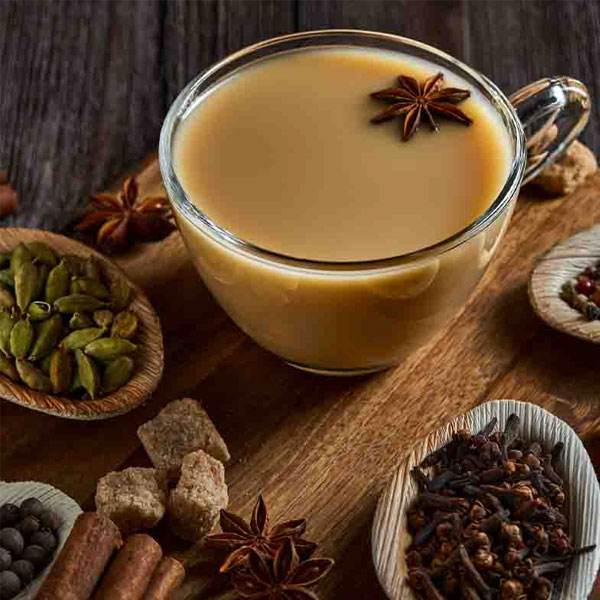
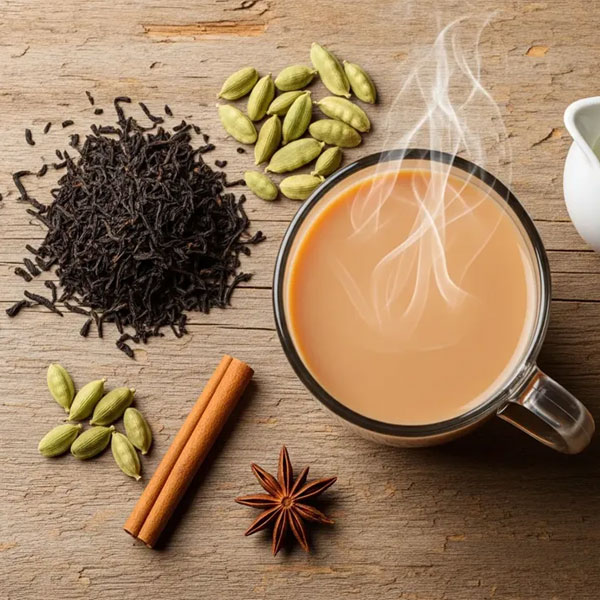
Hot drinks are where cloves shine most visibly, because whole buds float in the cup and release flavor slowly. Mulled wine, spiced cider and masala chai all rely on them, usually together with cinnamon sticks, star anise and cardamom pods. In a pot of chai, two or three whole cloves per liter is plenty, and they should simmer gently rather than boil hard, since a violent boil pulls out the bitter side of the bud. This is also where the form you buy makes a real difference, and understanding ground cloves in a blend versus whole buds will save you from cloudy drinks and uneven flavor.
spice blends with cloves
Middle Eastern and North African Blends
Baharat, the all-purpose Arabic spice mix, combines black pepper, paprika, cumin, coriander, cinnamon, cloves and nutmeg, and it is used for lamb, rice and stews across the region. Ras el hanout, the Moroccan “top of the shop” blend, can contain more than a dozen spices, and cloves appear in most versions as one of the warm notes that tie the floral and peppery elements together. In both cases the clove is a quiet connector, and a cook rarely identifies it by taste alone but immediately notices when it is missing.
Pickling Spice, Jerk and Quatre Épices
Pickling spice usually includes a few whole cloves alongside mustard seed, allspice, bay leaf and peppercorns, and the clove helps preserve flavor through long brining. Jamaican jerk seasoning uses allspice and cloves to create that unmistakable warm, peppery heat, while the French quatre épices blends pepper, nutmeg, ginger and cloves for charcuterie and pâtés. Three very different cuisines end up relying on the same small bud, which says a lot about how versatile it is.
Whole or Ground: What Actually Works
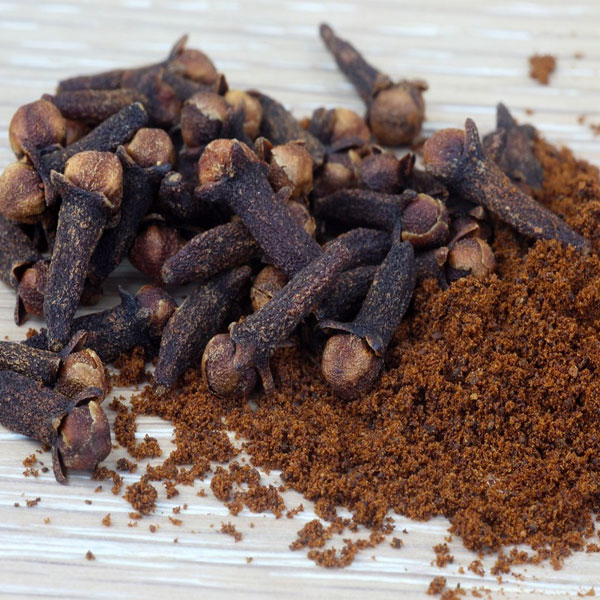
Whole cloves keep their potency for years, while ground cloves lose much of their aroma within a few months. For blends, the best method is to toast whole cloves lightly in a dry pan for under a minute and grind them together with the other spices just before use. Pre-ground cloves are convenient, but they fade quickly in a cupboard, which is why a blend that tasted wonderful in January can taste dusty by summer.
spice blends with cloves
Practical Tips Learned the Hard Way
Measure cloves separately and add them last when adjusting a blend, because they are easy to overdo and impossible to remove.
Store blends in airtight glass jars away from the stove, since heat and light destroy aroma quickly.
Taste a pinch of any new blend on a spoonful of plain rice or yogurt before committing it to a whole pot.
Make small batches of homemade blends every two or three months instead of one large jar that sits for a year.
Cloves are the quiet specialists of the spice world, rarely named on the front of the jar but essential to the taste inside it. From garam masala and five-spice to pumpkin pie spice and Moroccan ras el hanout, the pattern is the same: a very small amount of clove gives a blend depth, warmth and balance that no other spice can copy. Respect the quantity, choose fresh buds, and grind them yourself when you can, and your homemade blends will taste better than most store-bought mixes.
Records mentioned in this article
-
 🇮🇩 Indonesia
Verified
CloveThe world's largest grower exports almost none of it — because it smokes them
Smallholder growers of Maluku and Sulawesi
Open the record
🇮🇩 Indonesia
Verified
CloveThe world's largest grower exports almost none of it — because it smokes them
Smallholder growers of Maluku and Sulawesi
Open the record
-
 🇮🇳 India
Verified
Black Pepper
Indian spice farmers
Open the record
🇮🇳 India
Verified
Black Pepper
Indian spice farmers
Open the record
-
 🇱🇰 Sri Lanka
Verified
CinnamonOne name, five trees — and the cheap one outsells the real one ninety-nine to one
Smallholder bark peelers of the southwestern wet zone
Open the record
🇱🇰 Sri Lanka
Verified
CinnamonOne name, five trees — and the cheap one outsells the real one ninety-nine to one
Smallholder bark peelers of the southwestern wet zone
Open the record
Frequently Asked Questions
Garam masala, Chinese five-spice, pumpkin pie spice, baharat, ras el hanout, jerk seasoning, and quatre épices all use cloves as a warm, balancing note.
Very little. A good rule is about one part clove to eight or ten parts of the other spices, or roughly one tenth of the total in baking blends, because cloves overpower easily.
Whole cloves are best. They stay potent for years, and you can toast and grind them just before use, while pre-ground cloves lose most of their aroma within a few months.