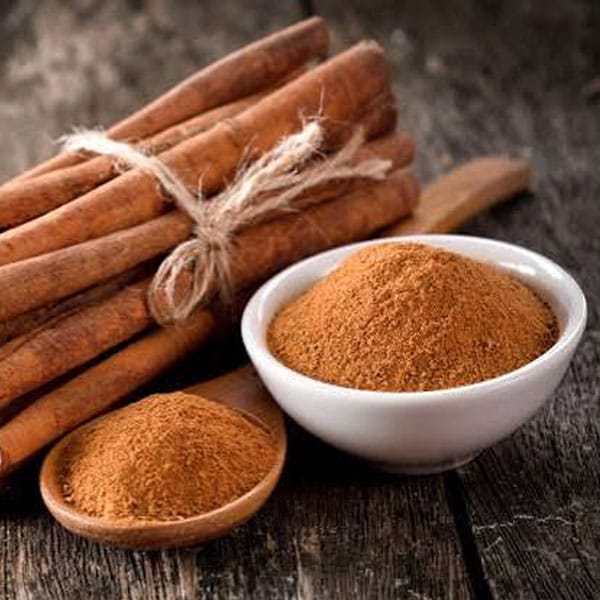
Clove — Smallholder growers of Maluku and Sulawesi — from Indonesia
🇮🇩 Indonesia Spice Verified Editor’s pick

Clove

The world's largest grower exports almost none of it — because it smokes them

Maker
Smallholder growers of Maluku and Sulawesi
Made since
1770
Region
Maluku Islands and Sulawesi

A clove is a flower bud that was picked before it could open, from Syzygium aromaticum, a tree in the myrtle family. The English word comes from the Latin clavus, a nail, which is what a dried bud looks like.

Until the colonial era the tree grew in one place on earth: a handful of islands in the Moluccas — Bacan, Makian, Moti, Ternate and Tidore. Austronesian sailors were already trading the buds along a maritime network that began around 1500 BC, which makes cloves one of the oldest long-distance commodities there is.

The monopoly that could not be held

In the seventeenth century the Dutch East India Company tried to do with cloves what it had already done with nutmeg: own the only supply in the world. With nutmeg it worked, because nutmeg grew on the tiny Banda islands and a fleet could watch them. Cloves defeated the same plan for a dull reason — the trees were spread across the whole of the Moluccas, and no company had the ships to police that much coastline.

One tree survives from roughly that period. It is called Afo, it stands on Ternate, and specialists think it is 350 to 400 years old — probably the oldest clove tree alive. In 1770 seedlings were taken from it by a clerk of the French India Company named Provost and two sailors, Trémignon and d’Etchévery, acting for Pierre Poivre. They went to Mauritius and the Seychelles, then to French Guiana to keep them out of reach of war, and from there to Martinique and Saint-Domingue. The monopoly ended with that theft.

Where they go now, which is not abroad

Indonesia is still the largest producer, and this is the part that surprises people: only about ten to fifteen per cent of its crop is exported. In some years the country has to buy cloves from Madagascar to meet its own demand. The reason is kretek — the clove cigarette, smoked on a scale that consumes most of a nation’s spice harvest. The United States reclassified clove cigarettes as cigars in 2009, following a ban on flavoured cigarettes.

So the export market is largely somebody else’s. Madagascar’s east coast, where modern clove farming first took hold commercially, shipped 27,878 tonnes in 2024 at a customs value of $5.85 a kilogram. Indonesia shipped 51,983 tonnes at $6.25. Tanzania, the old Zanzibar trade, managed 2,841 tonnes at $6.01. The prices sit close together, year after year, which tells you cloves are a commodity with a world price rather than a spice sold on origin.

The volumes are another matter. They swing hard — Madagascar shipped 49,028 tonnes in 2022 and barely half that two years later. A buyer who treats last year’s tonnage as this year’s availability will be wrong about half the time.

What is actually in one

Eugenol makes up 72 to 90 per cent of the oil pressed from cloves, and it is the compound doing nearly all of the smell and most of the numbing. There is evidence that clove oil containing eugenol works on toothache, which is why it has sat in dental kits for a century. It is not approved by the US Food and Drug Administration for any medicinal purpose, and taken by mouth it can cause problems for people with liver disease, clotting disorders, immune conditions or food allergies. Useful, specific, and not a medicine.
Quick facts

  • Cloves are the aromatic flower buds of Syzygium aromaticum, a tree in the family Myrtaceae, native to the Maluku Islands of Indonesia
  • Eugenol makes up 72-90% of the essential oil extracted from cloves and is the compound most responsible for its aroma
  • Indonesia is the largest clove producer, but only about 10-15% of its production is exported, and domestic shortfalls are sometimes filled with imports from Madagascar
  • Most of Indonesia's crop goes into kretek, the clove cigarette; the United States reclassified clove cigarettes as cigars in 2009 after banning flavoured cigarettes
  • Until the colonial era cloves grew only on a few islands in the Moluccas: Bacan, Makian, Moti, Ternate and Tidore
  • Cloves were first traded by Austronesian peoples along a maritime network that began around 1500 BC
  • A tree on Ternate named Afo, believed to be the oldest clove tree in the world, may be 350-400 years old
  • Seedlings were stolen from that tree in 1770 for Pierre Poivre and carried to Mauritius, the Seychelles, French Guiana, Martinique and Saint-Domingue
  • The Dutch East India Company failed to monopolise cloves as it had nutmeg, because clove trees were spread across the whole Moluccas rather than confined to a few small islands
  • In 2024 Indonesia exported 51,983 tonnes at a customs value of $6.25 per kilogram, Madagascar 27,878 tonnes at $5.85 and Tanzania 2,841 tonnes at $6.01
  • Export volumes swing sharply: Madagascar shipped 49,028 tonnes in 2022 against 27,878 in 2024
  • There is evidence that clove oil containing eugenol is effective for toothache pain, but it is not approved by the US Food and Drug Administration for any medicinal purpose

Specifications

Botanical nameSyzygium aromaticum
FamilyMyrtaceae
Part usedUnopened flower bud, dried
Native rangeMaluku Islands (the Moluccas), Indonesia
Principal compoundEugenol, 72-90% of the essential oil
Leading producersIndonesia, Madagascar, Tanzania, Sri Lanka, Comoros
Share of Indonesian crop exportedAbout 10-15%
Name originLatin clavus, a nail
Oldest known treeAfo, on Ternate, estimated 350-400 years old
Commodity code (HS)0907

How it got here

  1. c. 1500 BC Austronesian sailors begin trading cloves along the maritime network that later becomes part of the spice trade
  2. 17th century The Dutch East India Company seeks a clove monopoly as it holds for nutmeg, and cannot police trees spread across the whole Moluccas
  3. 1770 Seedlings are stolen from the Afo tree on Ternate for Pierre Poivre and carried to Mauritius and the Seychelles, ending the monopoly
  4. 19th century Commercial clove farming takes hold on the east coast of Madagascar, which becomes the main export origin
  5. 2009 The United States reclassifies clove cigarettes as cigars following a ban on flavoured cigarettes
  6. 2022 Madagascar exports 49,028 tonnes at $5.95 per kilogram
  7. 2024 Indonesia exports 51,983 tonnes at $6.25 per kilogram, Madagascar 27,878 at $5.85, Tanzania 2,841 at $6.01

Frequently asked

Where do cloves come from?

The tree is native to the Maluku Islands of Indonesia, and until the colonial era it grew nowhere else. Today Indonesia, Madagascar, Tanzania, Sri Lanka and the Comoros are the leading producers, with Madagascar's east coast supplying much of the export trade.

Why does Indonesia grow the most cloves but export so few?

Because it smokes them. Most of the crop goes into kretek, the Indonesian clove cigarette, and only about ten to fifteen per cent of production is exported. In some years Indonesia imports cloves from Madagascar to cover its own shortfall.

What does a clove cost per kilogram?

In 2024 the customs value of exported cloves was $6.25 per kilogram from Indonesia, $5.85 from Madagascar and $6.01 from Tanzania. Those are bulk border-crossing figures rather than shop prices, and they sit unusually close together, which is what a world commodity price looks like.

Is clove oil good for toothache?

There is evidence that clove oil containing eugenol is effective for toothache pain, which is why it has been in dental kits for a long time. It is not approved by the US Food and Drug Administration for any medicinal purpose, and taken by mouth it can cause problems for people with liver disease, clotting or immune disorders, or food allergies. Ask a dentist rather than treating it as a cure.

What is eugenol?

The compound that makes up 72 to 90 per cent of clove essential oil, responsible for nearly all of the aroma and most of the numbing sensation.

Why is a clove called a clove?

From the Latin clavus, meaning a nail, which is what the dried bud looks like. The old English word gillyflower originally meant clove too, by a different route through Old French and Greek.

References

Checked against these
  1. Other
    Clove Wikipedia · 2026

    Botany and native range, eugenol at 72-90% of the essential oil, Indonesia exporting only 10-15% of production and importing from Madagascar, kretek, the five Moluccan islands, Austronesian trade from around 1500 BC, the Afo tree at 350-400 years and the 1770 theft, the failed Dutch monopoly, the 20

  2. Other
    Kretek Wikipedia · 2026

    The Indonesian clove cigarette and the scale of domestic clove consumption

  3. Government or official register
    UN Comtrade, clove exports (HS 0907) United Nations Statistics Division · 2024

    Indonesia 51,983 t at $6.25/kg, Madagascar 27,878 t at $5.85/kg, Tanzania 2,841 t at $6.01/kg in 2024; Madagascar 49,028 t at $5.95/kg in 2022. All figures are UN mirror estimates rather than returns filed by the exporting country

Further reading

Reviews

No reviews yet — be the first to add one.

Write a review
Your rating

Questions & answers

No questions yet. Ask the first one.

Ask a question