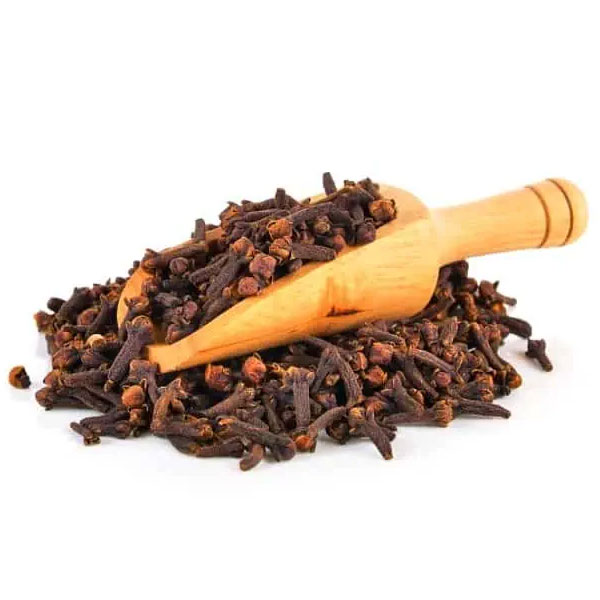
You are halfway through a pot of mulled cider, or a baked ham is waiting for its glaze, and then you open the spice drawer and find the clove jar empty. It happens to everyone, usually on a holiday evening when every store within walking distance is closed. The good news is that you almost certainly have a workable clove substitute within arm’s reach, and with the right ratio, nobody at the table will notice the swap.
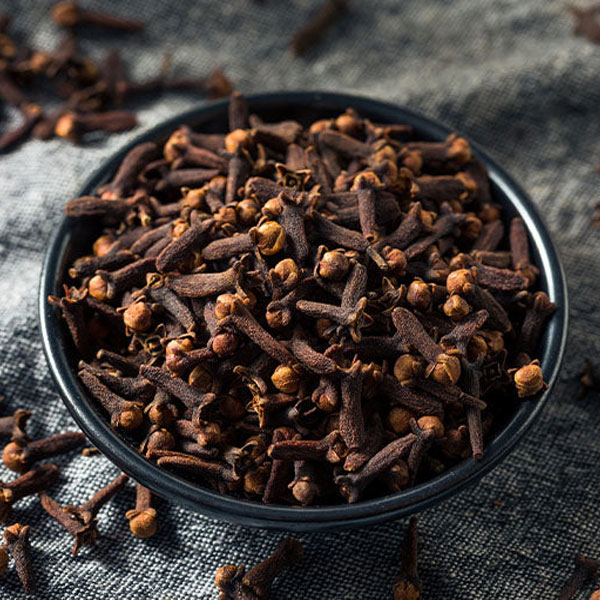
Cloves taste the way they do because of eugenol, the compound that gives them that warm, peppery, slightly numbing intensity. Anything you use in their place should either share that compound or mimic the same sweet-and-pungent character. If you are curious about where this tiny dried flower bud comes from and why it has been prized for centuries, the clove record tells the full story. For now, let’s get you back to cooking.
Start With Allspice
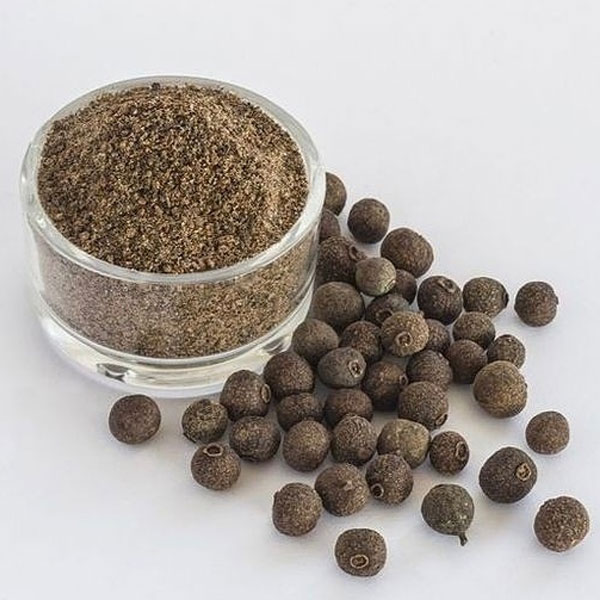
If you only remember one thing from this article, remember this: allspice is the closest match you will find in a typical kitchen. Despite its name, allspice is a single berry, but it tastes like a blend of cloves, cinnamon, and nutmeg, and it contains eugenol as well. In my own kitchen, it has rescued gingerbread, pumpkin pie, and a very stubborn pot of braised red cabbage without anyone suspecting a thing.
Use it in a 1:1 ratio: One teaspoon of ground cloves becomes one teaspoon of ground allspice. Because allspice is a little milder, taste before serving, and add a pinch more if the dish still seems flat.
Start With Allspice
Every Substitute, With Its Ratio
Below are the best options, listed from most to least reliable: Each one comes with an exact measurement, because guessing with a spice this strong is how dishes end up bitter or bland.
Allspice (1:1): Best for baking, stews, marinades, and sweet or savory dishes alike. It works almost everywhere cloves do.
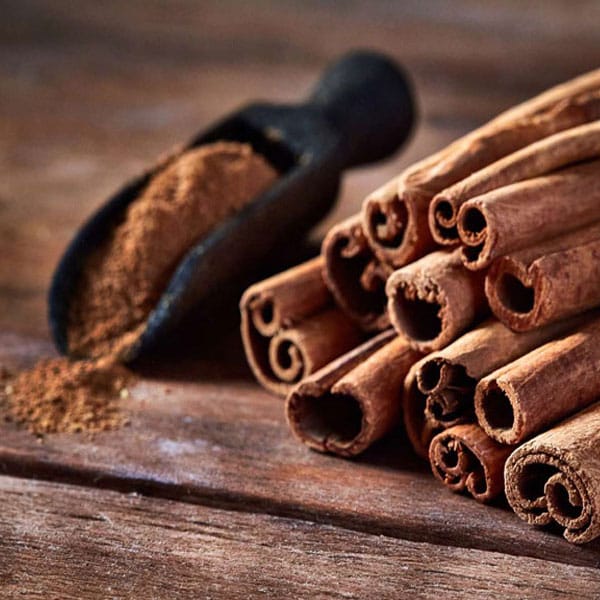
Cinnamon and nutmeg blend (1 teaspoon of cloves = ½ teaspoon cinnamon + ¼ teaspoon nutmeg): This is my go-to when allspice is missing. Cinnamon brings the sweetness, nutmeg brings the earthy depth, and together they get surprisingly close. Stir them together before adding them, so the flavor spreads evenly.
Pumpkin pie spice (1:1): Since it already contains cloves in most recipes, this blend carries a hint of the original flavor. It is ideal for pies, cakes, and cookies, but it can overwhelm a savory dish because of the ginger and cinnamon.
Nutmeg (¾ teaspoon for every 1 teaspoon of cloves): Nutmeg is sweeter and rounder, with less bite. It suits custards, cream sauces, and baked goods, though you will miss the sharp edge that cloves normally provide.
Mace (1:1): Mace comes from the same fruit as nutmeg, but its flavor is more delicate and peppery. It works well in doughnuts, pound cakes, and light-colored sauces where you want warmth without darkening the dish.
Cinnamon alone (½ teaspoon for every 1 teaspoon of cloves): This is the last resort. It adds warmth, but it lacks the pungent punch, so the dish will taste sweeter and simpler than intended.
clove substitute
Chinese five-spice (½ teaspoon for every 1 teaspoon of cloves): Use it for roasted meats and braises, but not for desserts, because the star anise and fennel will take over quickly.
How Much Should You Really Use?
Cloves are potent, and a small mistake in either direction changes the whole dish. If your recipe calls for whole cloves and you only have a substitute, a general rule is that one whole clove equals roughly ⅛ teaspoon of ground spice. When you are unsure about the amounts, begin with half of what you think you need, stir, wait a minute, and taste again. Ground spices bloom as they heat, so the flavor often intensifies while the dish simmers.
Matching the Substitute to the Dish
Not every replacement fits every recipe, so here is how I choose.
For baked goods such as gingerbread, spice cake, and pumpkin pie, allspice or pumpkin pie spice is the safest bet. For hams and roasted meats, where whole cloves are often pressed into the surface, skip the studding and rub the meat with allspice or a cinnamon-nutmeg mix instead. The flavor still sinks into the glaze, and you avoid the awkward moment of someone biting into a whole clove. For drinks like mulled wine, chai, and hot cider, a cinnamon stick plus a pinch of nutmeg gives you warmth and aroma without any trouble. For savory dishes like curries, stews, and rice pilaf, allspice or a small amount of five-spice blends in best.
clove substitute
Common Mistakes to Avoid
The most frequent error is using too much. Substitutes lack the intensity of cloves, so people compensate by adding more, and the result is a muddy, over-spiced dish. Add gradually instead. The second mistake is mixing up whole and ground forms; ground spices disperse quickly, while whole ones release flavor slowly and should be removed before serving. Finally, check the freshness of your spices. A jar that has sat open for two years will taste dusty no matter how carefully you measure.
Running out of cloves does not have to derail your recipe. Reach for allspice first, fall back on a cinnamon and nutmeg blend, and adjust the amount until it tastes right. Spices are forgiving when you taste as you go, and every substitution teaches you a little more about how flavors work together. Next time the jar is empty, you will know exactly what to do.
Records mentioned in this article
-
 🇮🇩 Indonesia
Verified
CloveThe world's largest grower exports almost none of it — because it smokes them
Smallholder growers of Maluku and Sulawesi
Open the record
🇮🇩 Indonesia
Verified
CloveThe world's largest grower exports almost none of it — because it smokes them
Smallholder growers of Maluku and Sulawesi
Open the record
-
 🇱🇰 Sri Lanka
Verified
CinnamonOne name, five trees — and the cheap one outsells the real one ninety-nine to one
Smallholder bark peelers of the southwestern wet zone
Open the record
🇱🇰 Sri Lanka
Verified
CinnamonOne name, five trees — and the cheap one outsells the real one ninety-nine to one
Smallholder bark peelers of the southwestern wet zone
Open the record
Frequently Asked Questions
Allspice is the best substitute for ground cloves, and you can use it in a 1:1 ratio. It contains eugenol, the same compound that gives cloves their warm and peppery flavor, and its taste sits somewhere between cloves, cinnamon, and nutmeg. Because allspice is slightly milder, taste the dish before serving and add a small pinch more if it still seems flat.
Yes, but cinnamon works better as part of a blend than on its own. For every 1 teaspoon of cloves, mix ½ teaspoon of cinnamon with ¼ teaspoon of nutmeg, and the result will be much closer to the original flavor. Cinnamon alone adds warmth but lacks the sharp, pungent edge of cloves, so use ½ teaspoon per teaspoon of cloves and expect a sweeter, simpler taste.
As a general rule, one whole clove equals about ⅛ teaspoon of ground spice. For a glazed ham, skip the studding and rub the surface with allspice or a cinnamon-nutmeg mix, which flavors the meat just as well and spares your guests from biting into a whole clove. For mulled cider or wine, a cinnamon stick and a pinch of nutmeg give you the same warmth and aroma.