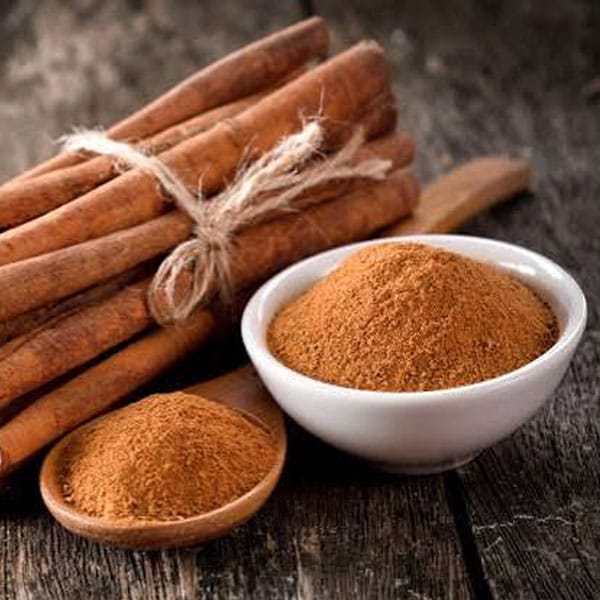
Cinnamon — Smallholder bark peelers of the southwestern wet zone — from Sri Lanka
🇱🇰 Sri Lanka Spice Verified Editor’s pick

Cinnamon

One name, five trees — and the cheap one outsells the real one ninety-nine to one

Maker
Smallholder bark peelers of the southwestern wet zone
Made since
1270
Region
Southwestern Sri Lanka (Galle, Matara, Ratnapura)

Cinnamon is not one spice. It is the inner bark of several different trees in the genus Cinnamomum, and the difference between them is not a matter of grade or preference. It is a matter of which species you were actually sold.

Cinnamomum verum — Ceylon cinnamon, named for the island now called Sri Lanka — is what botanists and traders call true cinnamon. Most of the cinnamon in world commerce is not it. Four other species are sold under the same word, and they are more correctly called cassia: C. cassia from China, C. burmannii from Indonesia, C. loureiroi from Vietnam, and the uncommon C. citriodorum. World production in 2023 came to 238,403 tonnes, led by China with 39 per cent of it. Four countries — China, Vietnam, Indonesia and Sri Lanka — accounted for 98 per cent between them.

The difference you can measure

Cassia contains coumarin, a fragrant compound that Ceylon cinnamon has almost none of. The gap is not subtle and the ranges do not overlap:

  • Ceylon cinnamon, C. verum: 0.005 to 0.090 mg of coumarin per gram
  • Chinese cassia, C. cassia: 1.74 to 7.67 mg per gram
  • Indonesian or Padang cassia, C. burmannii: 2.14 to 9.30 mg per gram
  • Saigon or Vietnamese cassia, C. loureiroi: 1.06 to 6.97 mg per gram

The German Federal Institute for Risk Assessment sets a tolerable daily intake of 0.1 mg of coumarin per kilogram of body weight, and calculates that a single teaspoon of cassia powder carries 5.8 to 12.1 mg — enough to exceed that figure for a smaller person. The same institute states plainly that Ceylon cinnamon contains “hardly any” coumarin, and is equally plain that a higher intake for a short time is not dangerous. No adverse effect has been directly measured in humans, and the United States Occupational Safety and Health Administration does not classify coumarin as a human carcinogen. This is a reason to know which species is in the jar, not a reason to be afraid of a bun.

Which is why the label is the problem

Europe regulates the compound rather than the species. Regulation (EC) No 1334/2008 caps coumarin at 50 mg/kg in traditional or seasonal bakery goods that mention cinnamon on the label, 20 mg/kg in breakfast cereals, 15 mg/kg in other fine bakery ware and 5 mg/kg in desserts.

And the labels do not always hold. Analysis of authentic Ceylon bark found 12 to 143 mg/kg of coumarin. Market samples sold as Ceylon ran as high as 3,462 mg/kg — twenty-four times the top of the authentic range, which points to cassia mixed in. A 2020 review by ConsumerLab found the same pattern, and noted that the supplement carrying the most coumarin of all was the one labelled Ceylon cinnamon.

That is the whole provenance question in one spice. The two barks look similar, cost differently, and one of them is being sold as the other.
Quick facts

  • Ceylon cinnamon (Cinnamomum verum) is what traders and botanists call true cinnamon, but most cinnamon in world commerce is one of four other species, correctly called cassia
  • World production of cinnamon was 238,403 tonnes in 2023, led by China with 39%
  • Four countries account for 98% of world production: China, Vietnam, Indonesia and Sri Lanka
  • Coumarin content per gram: Ceylon 0.005-0.090 mg, Chinese cassia 1.74-7.67 mg, Indonesian cassia 2.14-9.30 mg, Saigon cassia 1.06-6.97 mg
  • The German Federal Institute for Risk Assessment sets a tolerable daily intake of 0.1 mg of coumarin per kg of body weight
  • One teaspoon of cassia cinnamon powder carries 5.8 to 12.1 mg of coumarin, by the same institute's calculation
  • The same institute states that Ceylon cinnamon contains 'hardly any' coumarin, and that a higher intake for a short time is not dangerous
  • Authentic Ceylon bark tested at 12-143 mg/kg of coumarin, while market samples sold as Ceylon reached 3,462 mg/kg, pointing to cassia contamination
  • EU Regulation (EC) No 1334/2008 caps coumarin at 50 mg/kg in seasonal bakery goods labelled with cinnamon, 20 mg/kg in breakfast cereals, 15 mg/kg in other fine bakery ware and 5 mg/kg in desserts
  • Sri Lanka exported 19,546 tonnes of cinnamon in 2024 at a customs value of $10.97 per kilogram, while China exported 54,144 tonnes of cassia at $2.31 — nearly five times the price for a third of the volume

Specifications

True cinnamonCinnamomum verum (syn. C. zeylanicum)
FamilyLauraceae
Cassia species sold as cinnamonC. cassia (China), C. burmannii (Indonesia), C. loureiroi (Vietnam), C. citriodorum (uncommon)
Part usedInner bark
Principal aroma compoundCinnamaldehyde, with eugenol among others
QuillsRolled tubes of inner bark
QuillingsBroken pieces shorter than 106 mm
FeatheringsInner bark of twigs and twisted shoots
ChipsTrimmings, and bark that cannot be separated into layers
Commodity code (HS)090610

How it got here

  1. c. 1180 Maimonides's Mishneh Torah gives the first mention of the spice growing in the area of India
  2. c. 1270 Zakariya al-Qazwini records the first mention that cinnamon grows specifically in Sri Lanka
  3. c. 1292 John of Montecorvino repeats the Sri Lankan origin in a letter
  4. 2008 EU Regulation (EC) No 1334/2008 sets maximum coumarin levels for foods flavoured with cinnamon
  5. 2020 A ConsumerLab review finds the supplement with the most coumarin of all was the one labelled Ceylon cinnamon
  6. 2023 World production reaches 238,403 tonnes, with China at 39% and four countries accounting for 98%
  7. 2024 Sri Lanka exports 19,546 tonnes at $10.97 per kilogram against China's 54,144 tonnes of cassia at $2.31, putting the species gap in numbers

Frequently asked

What is the difference between Ceylon cinnamon and cassia?

They are different trees. Ceylon is Cinnamomum verum from Sri Lanka and is called true cinnamon; cassia is one of four other Cinnamomum species, mostly from China, Vietnam and Indonesia. The measurable difference is coumarin: 0.005-0.090 mg per gram in Ceylon against 1.06-9.30 mg per gram in the cassias. The ranges do not overlap.

Is cassia cinnamon dangerous?

Not in the amounts most people eat, and the agencies that study it say so. The German Federal Institute for Risk Assessment sets a tolerable daily intake of 0.1 mg of coumarin per kg of body weight and notes that one teaspoon of cassia powder carries 5.8 to 12.1 mg - above that figure for a smaller person - while also stating that higher intake for a short time is not dangerous. No adverse effect has been directly measured in humans.

How do I know which cinnamon I bought?

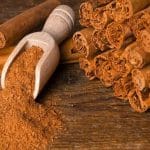
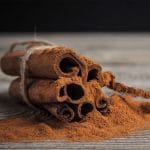
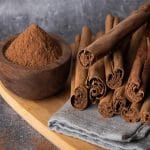
The label is not always reliable. Analysis found authentic Ceylon bark at 12-143 mg/kg of coumarin while market samples sold as Ceylon reached 3,462 mg/kg, which points to cassia mixed in. Ceylon quills are thin, brittle, layered like a cigar and pale; cassia is one thick hard curl of darker bark.

Which country produces the most cinnamon?

China, with 39% of the 238,403 tonnes produced in 2023. Vietnam, Indonesia and Sri Lanka make up the rest of the 98% that those four countries account for between them. Sri Lanka is the origin of true cinnamon, not the largest producer of the spice by volume.

Why is Ceylon cinnamon more expensive?

It is a different species, grown in a smaller area, and the bark is harvested and hand-rolled in thin layers rather than peeled off in a single thick curl. The labour in a Ceylon quill is not comparable to the labour in a cassia stick.

How much more does Ceylon cinnamon cost than cassia?

In 2024 Sri Lanka's cinnamon exports carried a customs value of $10.97 per kilogram while China's cassia exports came to $2.31 — about four and a half times. Those are bulk border-crossing figures, not shop prices, and China moved nearly three times the volume.

References

Checked against these
  1. Other
    Cinnamon Wikipedia · 2026

    Species distinction, world production 238,403 t in 2023 with China at 39% and four countries at 98%, grading terms, coumarin testing of authentic bark at 12-143 mg/kg against market samples at 3,462 mg/kg

  2. Other
    Coumarin Wikipedia · 2026

    Coumarin per gram by species, BfR tolerable daily intake of 0.1 mg/kg body weight, 5.8-12.1 mg per teaspoon of cassia, EU Regulation (EC) No 1334/2008 maximum levels

  3. Government or official register
    Federal Institute for Risk Assessment BfR, Germany · 2012

    Tolerable daily intake for coumarin, the teaspoon calculation, and the finding that Ceylon cinnamon contains hardly any coumarin

  4. Government or official register
    UN Comtrade, cinnamon exports (HS 0906) United Nations Statistics Division · 2024

    Sri Lanka 19,546 t at $10.97/kg; China 54,144 t at $2.31/kg

Further reading

Reviews

No reviews yet — be the first to add one.

Write a review
Your rating

Questions & answers

No questions yet. Ask the first one.

Ask a question