Editor’s pick
🇱🇰 Sri Lanka
Spice
Cinnamon
One name, five trees — and the cheap one outsells the real one ninety-nine to one
Compare Cinnamon (Sri Lanka) and Vanilla (Madagascar) side by side — origin, maker, price, materials and what the difference actually means.
One name, five trees — and the cheap one outsells the real one ninety-nine to one

The orchid that has to be married by hand, every flower, within twelve hours
| Field | Cinnamon | Vanilla |
|---|---|---|
| Country | Sri Lanka | Madagascar |
| Type | Spice | Spice |
| Maker | Smallholder bark peelers of the southwestern wet zone | Smallholder growers of the SAVA region |
| Region | Southwestern Sri Lanka (Galle, Matara, Ratnapura) | SAVA (Sambava, Antalaha, Vohemar, Andapa) |
| Made since | 1270 | 1841 |
| Verified record | Yes | Yes |
| Source | Wikipedia | Wikipedia |
| Family | Lauraceae | Orchidaceae (the only orchid grown for food) |
| Commodity code (HS) | 090610 | 090510 |
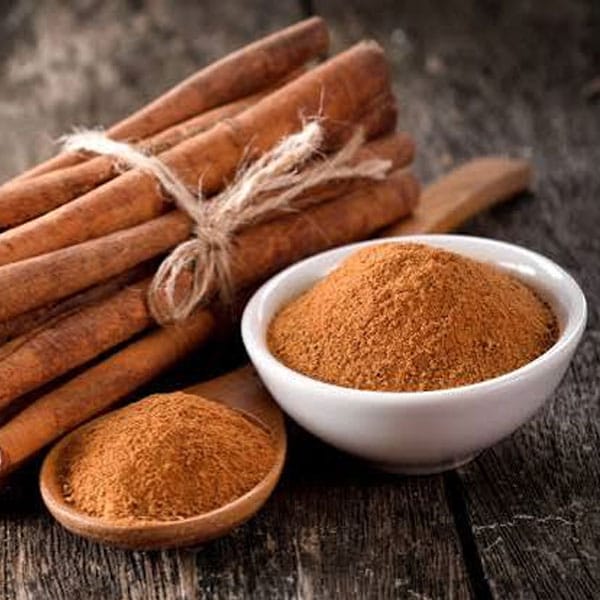
True cinnamon is the inner bark of Cinnamomum verum, from Sri Lanka. Almost everything sold as cinnamon is cassia, a different tree from a different country, carrying up to a hundred times more coumarin. Laboratory testing keeps finding cassia inside jars labelled Ceylon.
Vanilla is the seed pod of a climbing orchid that will not set fruit on its own outside Mesoamerica. Every flower on every farm in the world is pollinated by hand, on the one day it opens. That single fact explains the price — and the price has moved from $73 a kilogram to $457 and back to $51 inside a decade.