You pick up a jar that says “Cinnamon,” you read the front, you flip it over, and you still can’t tell what is inside. That is not your fault. For most shoppers, a cinnamon label ceylon or cassia question ends in the same place: the jar answers it with a single word that covers several different plants. If you want the background on where each type grows and how the trade works, the cinnamon record is the best place to start. This article covers something more practical: what a label is actually permitted to say, what it is permitted to leave out, and how you can get the answer you need before the jar goes in your basket.
Why one word on the jar hides several different spices
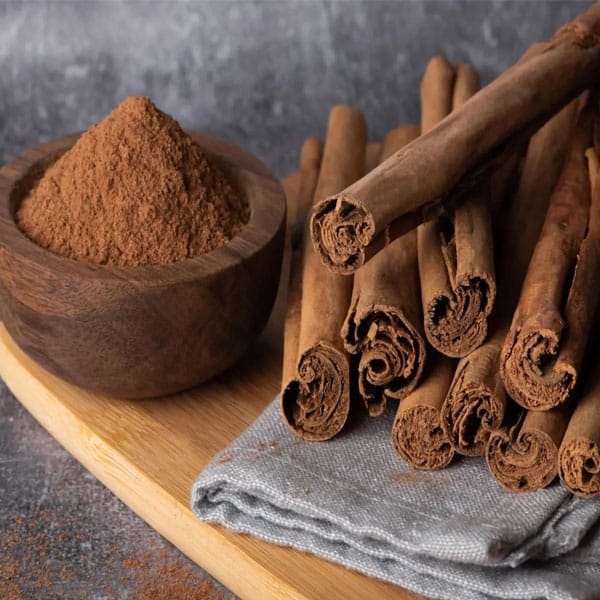
“Cinnamon” is a trade name, not a precise botanical label. The thin, papery, many-layered quills sold as Ceylon cinnamon come from Cinnamomum verum. The harder, thicker, darker bark that dominates supermarket shelves comes from cassia species such as Cinnamomum cassia, along with relatives like Cinnamomum burmannii (often sold as Indonesian cinnamon) and Cinnamomum loureiroi (Saigon). In the spice trade, all of them are called cinnamon.
That is the heart of the problem. In many markets, the label is not required to state the species. A jar can say “Cinnamon,” “Ground Cinnamon,” or “Cinnamon Powder” and be fully compliant, even when it holds only cassia. Nothing is being hidden illegally. The rules simply never asked the producer to be specific.
If you’ve ever bought two jars of “cinnamon” and found that one tasted warm, sweet and almost floral while the other was sharp, spicy and slightly bitter, you have already experienced the difference. The first leans toward Ceylon. The second is typical of cassia. The label told you nothing about it.
cinnamon label ceylon or cassia
What the label usually does tell you, and where the gaps are
Most cinnamon labels carry the same set of details: the product name, net weight, a best-before date, the packer’s or importer’s name, and a country of packing or origin. Some add claims like “premium,” “pure,” “organic,” or “gourmet.” Here is how to read each one honestly.
“Pure” or “100% cinnamon.” This usually means nothing was added, such as fillers or anti-caking agents. It does not mean the jar holds true Ceylon cinnamon. Pure cassia is still pure.
“Organic.” This speaks to how the plant was grown and certified, not which species it is.
“Product of Sri Lanka” or “Product of Indonesia.” Origin hints at the species, because Sri Lanka is the traditional home of Cinnamomum verum and Indonesia and China supply most cassia. But a country name is a clue, not a guarantee. Spices are blended, repacked and re-exported, and “packed in” is not always the same as “grown in.”
“Ceylon cinnamon.” When a brand uses this phrase, it is making a specific claim, and that is a good sign. Still, check whether the scientific name appears anywhere on the pack. A brand that is proud of its Ceylon will usually print Cinnamomum verum without being asked.
“Cinnamon” alone. This is the vague option, and in many markets it is the default. Treat it as “species not stated.”
Pay attention to what testing has found
It’s reasonable to wonder whether the vague word is a minor detail or a real problem. The answer comes from the lab, not the label. what testing has found is worth reading before you decide how much attention the species question deserves, because the pattern is consistent: products sold under a Ceylon-style name or price sometimes turn out to contain cassia, wholly or partly, and the difference is visible only when someone tests it.
You can’t run a lab test in your kitchen, but you can notice what the result means for you. If you pay a premium for Ceylon, you want Ceylon. If a jar is cheap, it is probably cassia, and that is perfectly fine for many recipes, provided you know that is what you are buying. The trouble starts when a price, a photo of rolled quills, or a vague word on the jar suggests one thing while the contents are another.

cinnamon label ceylon or cassia
A few honest ways to read the shelf yourself:
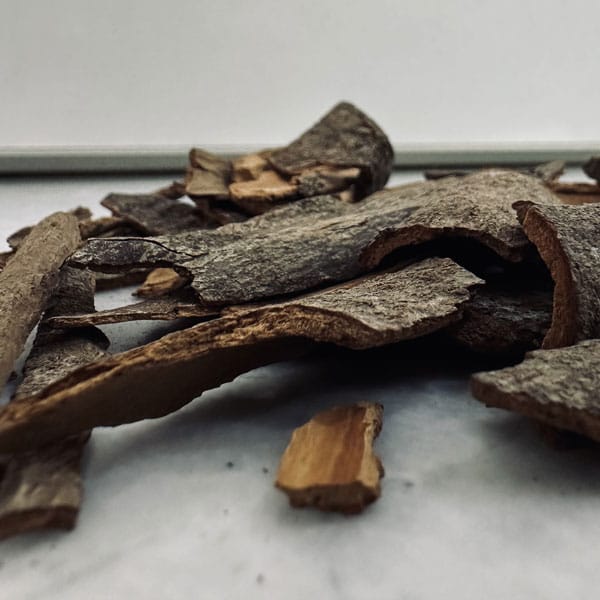
Look at the quills if you buy whole sticks. Ceylon sticks are thin, fragile, tightly rolled from many layers, and light tan. Cassia sticks are thick, hard, hollow, often a single curled layer, and reddish-brown.
Smell before you decide, if the pack allows it. Ceylon is delicate and sweet. Cassia is bold and sharp. Ground cinnamon in a sealed jar is harder to judge, which is exactly why the printed name matters.
Be wary of a bargain with a premium story. If the front of the pack describes the delicate “true cinnamon” of Sri Lanka and the price looks like ordinary cassia, ask why.
Why the compound matters, and why it is regulated instead of the species
Here is where many readers expect the label to protect them, and where the rules turn out to be narrower than people assume. The concern most often raised about cassia is coumarin, a naturally occurring compound that occurs in much higher amounts in cassia than in Ceylon. In large, regular amounts it can be a concern for the liver in sensitive people, which is why authorities such as EFSA have set a tolerable daily intake for it.
What matters for label-reading is how the rules work. In Europe, for example, the legal limits apply to coumarin in certain foods such as bakery products, not to the species name on a jar of spice. That is the point behind the compound is regulated, not the species: the law controls an ingredient’s content in finished foods, while the label of the raw spice may still just say “cinnamon.” So a regulation can exist, be perfectly effective for bakeries, and still leave you, the home cook, unable to tell from the front of the pack which plant you are sprinkling on your oatmeal every morning.
For a person who uses cinnamon occasionally in a cake or a curry, this is rarely a worry. For someone who eats it daily, stirs it into coffee, takes it in smoothies, or feeds it to children, the species starts to matter more. Those habits are where a heavier-coumarin cassia can add up over weeks, and where choosing Ceylon, or at least knowing what you have, is a sensible habit.
Ask for the scientific name on the sealed pack
This is the single most useful thing you can do, and it costs nothing. Ask for the scientific name on the closed pack. A sealed jar or bag is the thing you can inspect without opening, so look for Cinnamomum verum (sometimes written Cinnamomum zeylanicum, an older synonym) if you want Ceylon, or Cinnamomum cassia, burmannii or loureiroi if the product is cassia. If you cannot find any of those names, treat it as a cassia-or-unknown product.
cinnamon label ceylon or cassia
When the name is missing, you have three easy options:
Ask the seller or the brand. Send a short message: “Which species is this, and can you tell me the Latin name?” A producer who knows its product answers in a day. A vague reply tells you what you need to know.
Check the brand’s website or batch information. Better suppliers publish origin and species details, and some offer a batch lookup.
Choose another product. If you can’t get an answer, a jar that states the species is simply the safer buy, even if it costs a little more.
A simple checklist before you buy cinnamon
Is the species or scientific name printed on the pack? If yes, read it.
Does “Ceylon” appear together with Cinnamomum verum? If yes, the claim is specific and believable.
Is the label just “Cinnamon” with a country of packing? Assume cassia unless the seller confirms otherwise.
Does the price fit the story on the front? Be suspicious if it doesn’t.
Do you eat cinnamon every day? If yes, favor Ceylon or a product that states its species clearly.
A cinnamon label is allowed to be short, and in many markets it is allowed to leave out the one detail most buyers actually care about: the species. That is why the cinnamon label ceylon or cassia question can’t be settled by the front of the jar alone. Read the back, look for the scientific name on the sealed pack, ask when it is missing, and match your choice to how you use the spice. If you cook with cinnamon once in a while, any honest cassia is fine. If it is part of your daily routine, a clearly labeled Ceylon is worth looking for.
Records mentioned in this article

Frequently Asked Questions
In many markets, no. A jar labeled just "Cinnamon" can legally contain cassia, so the species is often not stated unless the brand chooses to print it.
Look for Cinnamomum verum (or the older name Cinnamomum zeylanicum) on the sealed pack. If only "Cinnamon" and a country name appear, treat it as cassia or unknown until the seller confirms.
For occasional use, rarely. For daily use, such as in coffee, oatmeal or smoothies, it matters more, because cassia contains much more coumarin than Ceylon.