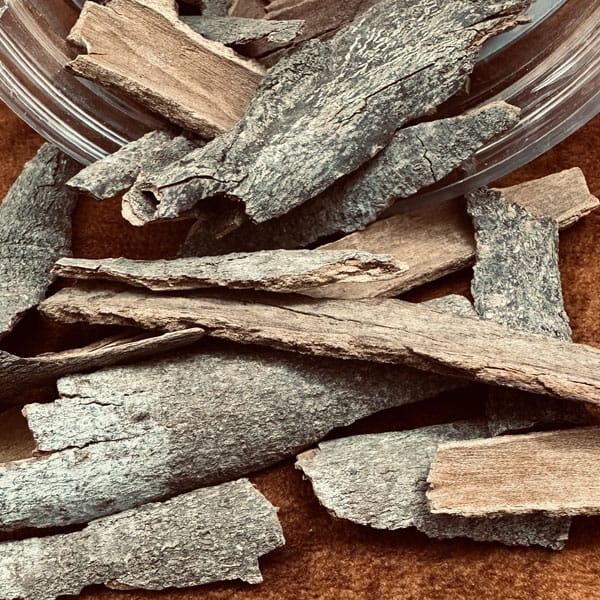
Standing in the spice aisle, the decision seems straightforward: reach for the shaker jar of pre-ground cinnamon for effortless dusting, or pick up a glass cylinder of tightly coiled bark quills. Both carry that familiar, comforting warmth, yet they behave like entirely different ingredients once you bring them into your kitchen.
Cinnamon is not just a uniform brown powder. Across centuries of agricultural trade—detailed extensively in the cinnamon record—this revered spice has been harvested from the inner bark of Cinnamomum trees, dried under tropical suns, and shipped across continents. Whether you are simmering a rich Moroccan tagine, brewing spiced cider, or baking a batch of weekend cinnamon rolls, choosing between whole sticks and ground powder changes your dish’s aroma profile, shelf life, and even the botanical integrity of what you eat.
Here is a practical, field-tested breakdown to help you decide which form deserves a permanent spot on your spice rack.
What Actually Happens When Bark Becomes Powder?
To understand the difference, you must look at how cinnamon delivers its flavor. The signature heat, sweetness, and woody perfume of cinnamon come from volatile essential oils—chiefly cinnamaldehyde—trapped deep inside the fibrous cellular walls of the dried tree bark.
When bark remains whole in quill form, those delicate volatile oils remain naturally encapsulated. Oxygen, light, and ambient moisture can only interact with the outermost surface of the stick. The inner layers stay protected, locking in aromatics for years.
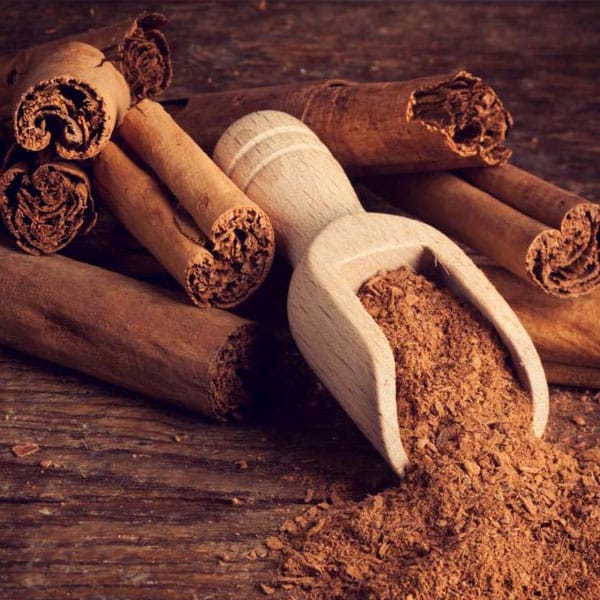
cinnamon powder vs sticks
The moment that bark passes through an industrial hammer mill to become powder, everything changes. Grinding shatters those protective plant cells and multiplies the spice’s total surface area by thousands of times. The release of fragrance is immediate and intoxicating, which is why opening a freshly sealed tin of ground cinnamon hits your senses so intensely. However, that burst comes at a steep price: rapid oxidation. Without its natural physical barrier, ground cinnamon begins dissipating its volatile oils into the atmosphere from the very hour it is processed.
Why Powder Hides the Truth
If there is one non-negotiable rule in professional spice sourcing, it is this: once cinnamon is turned into fine powder, the human eye cannot determine its botanical species or quality level.
The global market is dominated by two radically distinct types of cinnamon:
Ceylon Cinnamon (Cinnamomum verum): Known as “true cinnamon,” native to Sri Lanka. It features ultra-thin, papery layers rolled into soft, cigar-like quills. It possesses a delicate, citrusy, complex sweetness and contains negligible levels of coumarin (a naturally occurring compound that can stress the liver in high doses).
Cassia Cinnamon (Cinnamomum cassia / loureiroi / burmannii): Sourced primarily from Indonesia, Vietnam, and China. It is composed of thick, woody, rock-hard hollow barks. It delivers a pungent, peppery, intense bite and carries substantially higher levels of coumarin.
When dealing with whole sticks, telling them apart is effortless: you can identify the bark by sight, feeling the brittle layers of a true Ceylon cigar versus the rigid, single-scroll trunk of Indonesian Korintje or Vietnamese Cassia.
In powder form, that visual clarity vanishes completely. Ground Ceylon and ground Cassia look almost identical, save for a slight tonal shift from tan to reddish-brown that easily deceives even experienced shoppers. Commercial spice blenders frequently mix low-grade Cassia varieties, or stretch powder batches without disclosure. If botanical purity, low coumarin content, or subtle gastronomy matters to you, buying whole quills is the only reliable guarantee that you are getting what you paid for.

cinnamon powder vs sticks
Flavor Longevity: The Shelf-Life Reality Check
If you only use cinnamon every few weeks, whole sticks win on every metric of shelf stability.
Cinnamon Powder: Peak flavor lasts roughly 6 to 9 months. Beyond that threshold, the powder does not spoil in a hazardous way, but its bright volatile notes vanish. You are left with a flat, dusty, dull woodiness that smells faintly of cinnamon but requires double or triple the quantity in recipes just to register on the palate.
Cinnamon Sticks: Properly cured quills stored in an airtight glass container away from direct sunlight retain their full potency for 3 to 4 years. Even after several years in storage, cracking a whole stick in half instantly breaks unbroken internal oil cells, releasing an aroma as vibrant as the day the bark was rolled.
For households that do not bake weekly, buying large containers of pre-ground cinnamon is an invisible waste of money. The jar inevitably goes stale long before the bottom is reached.
Culinary Application: Matching the Form to the Pot
Neither form is universally superior; each solves a distinct culinary challenge. The key is knowing how the spice transfers its flavor into liquid versus solid fats.
Reach for Whole Sticks When:
Infusing Liquids Over Time: Sticks shine in long, slow extractions. When brewing spiced tea, simmering Vietnamese Pho broth, mulling wine, or steeping poaching liquids for pears, sticks release their flavor gradually without clouding the broth or leaving grittiness behind.
Cooking Savory Braises and Grains: Tucking a cinnamon stick into a pot of basmati rice, Mexican birria, or Indian curry infuses the dish with warm, rounded undertones that never overpower the savory aromatics. Once the cooking is finished, you simply fish the quill out and discard it.
Presentation Matters: A whole quill serves as an elegant, natural garnish in warm cocktails, punches, and festive tablescapes.
Reach for Ground Powder When:
Baking and Batters: Cakes, snickerdoodles, pumpkin bread, and cinnamon rolls rely on uniform distribution throughout flours and fats. A stick cannot perform here; you need fine particles dispersed evenly through the batter.
Direct Seasoning and Dusting: Sprinkling over morning oatmeal, French toast, Greek yogurt, or cappuccino foam requires instant solubility on the tongue.
Dry Rubs: Barbecue spice blends and dry meat rubs require finely ground particles to adhere firmly to animal proteins and caramelize on hot grates.
The Sourcing Expert’s Compromise: Buy Whole, Grind Fresh
If you want the unrivaled shelf life and botanical authenticity of whole sticks alongside the convenience of powder, the professional kitchen solution is simple: buy whole sticks and grind on demand.

cinnamon powder vs sticks
High-quality Ceylon cinnamon is soft and crumbly enough that you can snap it apart with your bare fingers and drop it straight into an inexpensive electric blade coffee grinder or run it across a fine microplane grater. Within ten seconds, you have warm, intensely fragrant powder ground moments before it enters your mixing bowl.
Because Cassia bark is significantly harder and can damage residential grinder blades, grating Cassia requires a sturdy rasp or heavy cast-iron mortar. But for true Ceylon, on-demand grating is effortless, cost-effective, and elevates home baking to an entirely new standard.
Comparison at a Glance: Powder vs. Sticks
Aroma Retention: Sticks maintain maximum volatile oil concentration for up to 4 years; powder degrades sharply within 6 to 9 months.
Botanical Transparency: Sticks allow instant visual verification of species (Ceylon vs. Cassia); powder obscures origin, processing age, and blending.
Extraction Style: Sticks excel in gentle, clear liquid extractions; powder is mandatory for uniform fat and flour integration.
Kitchen Convenience: Powder is ready instantly; sticks require extraction time or manual grinding.
If speed, convenience, and daily baking dominate your kitchen, keep a small jar of premium ground cinnamon on hand—purchasing only what you can finish within six months.
However, if you prioritize botanical authenticity, long-term pantry value, rich braises, clear infusions, and deep aromatic complexity, whole cinnamon sticks are the superior investment. For the ultimate flavor experience, keep whole quills in your cupboard and grate them fresh: you protect your health, secure authentic origin, and enjoy a depth of spice that pre-ground shakers can never replicate.
Records mentioned in this article

Frequently Asked Questions
Most commercial ground cinnamon is high-coumarin Indonesian or Chinese Cassia that has sat on store shelves for months. Stale volatile oils oxidize into bitter-tasting phenolic compounds, replacing sweet aroma with harsh astringency.
Keep both whole sticks and ground cinnamon in airtight glass jars stored in a cool, dark cupboard. Avoid keeping them directly above your stovetop, as steam and heat accelerate the evaporation of essential oils and cause clumping in powders.
Sticks are superior for two reasons: Flavor Longevity (whole quills protect essential oils from oxidation, keeping aroma fresh for years) and Authenticity (sticks allow you to visually verify the species, whereas ground powder masks lower-quality substitutions like Cassia).


