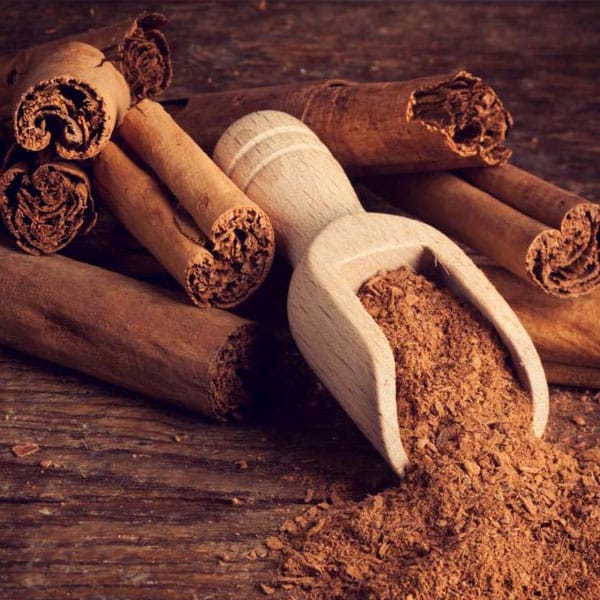
When you walk down the baking aisle of almost any supermarket in North America or Europe and pick up a jar simply labeled “Cinnamon,” you are almost certainly holding Cassia. Known for its robust, spicy-sweet kick and thick, dark bark, cassia is the backbone of the global commercial cinnamon trade.
However, calling it just “cassia” drastically oversimplifies the reality of the spice market. If you are a buyer, a chef, or a dedicated culinary enthusiast, you need to know that what we casually call cassia actually comprises four distinct botanical species. Before diving into the varieties, it is essential to understand that we are dealing with cassia, not true cinnamon, which is a completely different species known as Ceylon (Cinnamomum verum). While Ceylon is delicate and brittle, the cassias are the heavy hitters of the spice world—bold, aromatic, and economically dominant.
In this comprehensive guide, we will explore the four primary cassias that dominate global trade. We will break down their scientific classifications, geographic origins, aromatic profiles, and the crucial differences in their coumarin content.
The Botanical Breakdown: Four Unique Species
Botanically, all cinnamon belongs to the Lauraceae family and the genus Cinnamomum. However, the specific species dictates the essential oil yield, the bark’s physical structure, and the chemical composition. For a complete taxonomy and historical background of the genus, you can explore the cinnamon record, which details the scientific names and historical lineage of these remarkable trees.

types of cassia cinnamon
Here are the four primary cassia species you will encounter in the global market:
1. Indonesian Cassia (Cinnamomum burmannii)
Also known as: Korintje Cinnamon, Padang Cassia
Origin: Indonesia (primarily Sumatra)
If you have eaten a commercially baked cinnamon roll or apple pie, you have likely tasted Indonesian cassia. From a commercial sourcing perspective, Indonesia commands the market. Cinnamomum burmannii boasts the highest trade volume globally, making up the vast majority of cinnamon imported into the United States and many European countries.
Flavor Profile: It offers a smooth, familiar, and moderately sweet flavor without the intense, biting heat found in other varieties. It is reliable, consistent, and highly versatile.
Coumarin Content: Indonesian cassia generally has the lowest coumarin content among the major commercial cassias, typically ranging from 2,000 to 5,000 mg/kg, depending on the harvest and bark grade.
2. Vietnamese Cassia (Cinnamomum loureiroi)
Also known as: Saigon Cinnamon
Origin: Vietnam (primarily the central and northern mountainous regions)
When it comes to sheer aromatic power, Vietnamese cassia is the undisputed champion. If you want a spice that punches through heavy doughs and rich curries, this is it. Saigon cinnamon usually has the strongest aroma and the most intense, sweet-spicy flavor of all the commercial varieties. This is directly tied to its exceptionally high essential oil content, which can reach up to 6%.
Flavor Profile: Explosively sweet, highly pungent, and deeply spicy. A little goes a very long way.
Coumarin Content: The trade-off for this incredible flavor is its chemical makeup. Vietnamese cassia has the highest concentration of coumarin, often ranging between 5,000 to over 8,000 mg/kg.
3. Chinese Cassia (Cinnamomum cassia or Cinnamomum aromaticum)
Also known as: Tung Hing, Canton Cassia
Origin: Southern China
This is the classic, historical “cassia” referenced in ancient trade routes and traditional Chinese medicine. Chinese cassia is typically harvested as thicker, rougher pieces of bark compared to its Indonesian counterpart. It is heavily utilized in spice blends, particularly the famous Chinese Five Spice.

types of cassia cinnamon
Flavor Profile: It is robust, earthy, and less sweet than Indonesian or Vietnamese varieties. It has a slightly bitter, medicinal edge that pairs perfectly with savory dishes and heavy meat stews.
Coumarin Content: Chinese cassia contains high levels of coumarin, generally falling in the range of 3,000 to 7,000 mg/kg.
4. Malabar Cassia (Cinnamomum tamala)
Also known as: Indian Cassia, Tejpatta
Origin: India (primarily the northern and northeastern regions)
Malabar cassia is the outlier in this group. While the bark is harvested and used locally as a rougher, less refined cinnamon substitute, Cinnamomum tamala is actually much more famous for its leaves. Known as tejpatta or Indian bay leaf, the olive-green leaves are a cornerstone of Indian cuisine, offering a complex aroma reminiscent of cloves, cinnamon, and mild citrus.
Flavor Profile (Bark): The bark is coarser, less sweet, and slightly more mucilaginous than other cassias. It has a mild, earthy warmth.
Coumarin Content: The coumarin levels in the bark are highly variable but generally moderate compared to Chinese or Vietnamese types. However, because it is rarely traded globally as a primary ground spice, precise standardized commercial testing data is less ubiquitous.
Global Production and Cultivation
| Common Name | Scientific Name | Primary Source | Flavor & Aroma | Est. Coumarin (mg/kg) |
|---|---|---|---|---|
| Indonesian (Korintje) | Cinnamomum burmannii | Indonesia | Smooth, sweet, familiar | 2,000 – 5,000 |
| Vietnamese (Saigon) | Cinnamomum loureiroi | Vietnam | Intense, highly pungent | 5,000 – 8,000+ |
| Chinese | Cinnamomum cassia | China | Earthy, bittersweet | 3,000 – 7,000 |
| Malabar (Indian) | Cinnamomum tamala | India | Mild, primarily used for leaves | Variable / Moderate |
The Coumarin Question: Safety and Quality Control
When dealing with the different types of cassia cinnamon, coumarin is the most critical quality and safety metric to monitor. Coumarin is a naturally occurring, fragrant organic chemical compound found in many plants, but it is present in notably high concentrations in cassia bark.
In large, sustained doses, coumarin has been shown to cause liver toxicity in sensitive individuals. Regulatory bodies, such as the European Food Safety Authority (EFSA), have established a Tolerable Daily Intake (TDI) of 0.1 mg of coumarin per kilogram of body weight. (Reference: EFSA safety assessment of coumarin).
For commercial buyers, this means product formulation matters. If you are manufacturing a product meant for daily consumption—like a health supplement or a daily dietary tea—relying heavily on Vietnamese Saigon cassia (with coumarin levels up to 8,000 mg/kg) poses a regulatory and health risk. In such cases, manufacturers either dilute the blend with Ceylon cinnamon (which contains near-zero coumarin) or opt for lower-coumarin Indonesian grades. However, for culinary uses where the spice is consumed in normal, small quantities (like a dash in oatmeal or used in holiday baking), the coumarin content in any of these cassias poses no practical threat to a healthy adult.

types of cassia cinnamon
Sourcing the Right Cassia for Your Needs
Choosing between the four cassias comes down to the end-use application:
Commercial Baking & General Retail: Indonesian (C. burmannii) is the standard. Its high trade volume ensures stable pricing, and its universally recognized flavor won’t alienate consumers.
Artisan Coffee Roasters & Gourmet Spice Blends: Vietnamese (C. loureiroi) is the premium choice. Its exceptionally high volatile oil content means its flavor survives high heat and dairy mixtures better than any other type.
Savory Manufacturing & Asian Cuisine: Chinese (C. cassia) provides the required bitter-sweet depth essential for broths, marinades, and traditional five-spice formulations.
Authentic Indian Curries: While the bark of Malabar (C. tamala) is rare in the West, sourcing its leaves (tejpatta) is mandatory for authentic regional Indian cooking.
Understanding the origin, botanical identity, and chemical makeup of these four spices prevents costly supply chain mistakes and ensures that the final product hits the exact flavor and safety parameters intended.
Records mentioned in this article

Frequently Asked Questions
While Saigon cinnamon has the strongest flavor, it also has the highest coumarin content. For normal culinary use (a sprinkle on coffee or in baking), it is perfectly safe. However, if you are consuming heavy doses daily for purported health benefits (such as blood sugar management), you should switch to Ceylon cinnamon to avoid potential liver toxicity from coumarin buildup.
Indonesian cassia (Cinnamomum burmannii) has the highest global trade volume because it grows abundantly, is efficiently harvested, and offers the classic, mild “cinnamon” flavor that Western consumers expect, all at a highly competitive and stable price point.
Yes, but you must adjust the quantities. If a recipe calls for standard (Indonesian) cinnamon and you use Vietnamese Saigon cinnamon instead, you should reduce the amount by about a third to avoid overpowering the dish with its intense, spicy-sweet oils.


