The first time I made mulled wine, I tossed in a spoonful of ground cloves because it was what I had in the cupboard. The result was gritty, murky and so bitter that my guests politely finished half a mug and left the rest on the counter. The next weekend I tried again with whole cloves, and the difference was so dramatic that I have never gone back. If you want a warm drink that smells like winter and tastes balanced, the way you use cloves matters more than almost any other choice you make.
This guide walks you through exactly how to use cloves in mulled wine, cider and tea, with clear ratios, steeping times and the small habits that separate a cozy mug from a harsh one. If you are searching for a reliable cloves mulled wine recipe, you will find one below, along with two close relatives.
Why Whole Cloves Work Better Than Ground
Always use whole cloves for hot drinks. Whole cloves release their flavor slowly, which means you control the strength by deciding when to take them out. Ground cloves dissolve instantly, cloud the liquid, leave a powdery film on your tongue and keep extracting bitterness the longer they sit.
Whole cloves also look beautiful. A wine-dark mug with a slice of orange and a few cloves floating on top feels like a gift, and you can strain them out with a spoon in seconds. If a recipe tells you to add ground cloves to a drink that needs to simmer, it is worth swapping in whole ones, or leaving them out altogether.

cloves mulled wine recipe
The Basic Ratio at a Glance
Cloves are potent, and a little goes a long way. Their main flavor compound, eugenol, is the same one that gives clove oil its numbing, medicinal bite, so too many cloves will taste more like a dentist’s office than a holiday kitchen. As a starting point, use these amounts:
Mulled wine: 4 to 6 whole cloves per 750 ml bottle.
Mulled cider: 8 to 10 whole cloves per 2 liters (about half a gallon).
Spiced tea: 2 to 3 whole cloves per 250 ml mug.
If you want a deeper breakdown for different pot sizes, the amounts are covered step by step in a separate guide, so you can scale a batch up or down without guessing.
Cloves Mulled Wine Recipe
This is the version I make most often. It serves four to six people and takes about 25 minutes from start to finish.
You will need:
1 bottle (750 ml) of fruity, dry red wine, such as Merlot, Garnacha or a Zinfandel
5 whole cloves
2 cinnamon sticks
2 star anise
2 strips of orange peel, with as little white pith as possible
2 to 3 tablespoons of honey or brown sugar, to taste
60 ml (a quarter cup) of brandy, optional
Method:
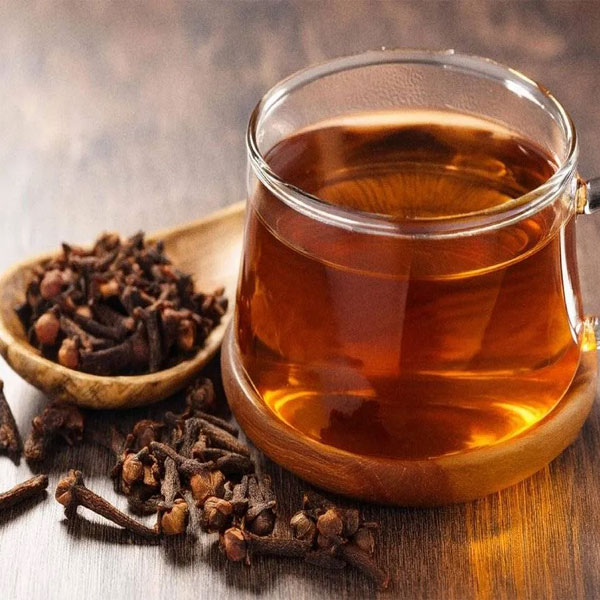
Pour the wine into a medium saucepan and add the cloves, cinnamon, star anise and orange peel.
Heat over low heat until you see the first wisps of steam. The wine should never boil, because boiling cooks off the alcohol and makes the spices taste sharp.
Reduce the heat to its lowest setting, cover and let the spices steep for 15 to 20 minutes.
Stir in the honey or sugar and taste. Add the brandy now if you are using it.
Strain out the cloves and other whole spices, then ladle the wine into mugs.
cloves mulled wine recipe
A note on steeping time: Fifteen to twenty minutes is the sweet spot. If you plan to keep the wine warm for a party, remove the cloves after 30 minutes. Left in for hours, they will turn the wine bitter and slightly numbing.
Mulled Cider With Cloves
Cider is more forgiving than wine, because the natural sweetness of the apples softens the clove edge. It also holds up well on the stove or in a slow cooker, which makes it the easiest choice for a crowd.
For 2 liters of apple cider, use:
8 to 10 whole cloves
3 cinnamon sticks
1 orange, sliced
1 small piece of fresh ginger, if you like a little heat
Simmer gently on the stove for 20 to 30 minutes. For a slow cooker, set it on low for 2 to 3 hours and take the cloves out after the first 90 minutes if you prefer a lighter spice.
The studded orange trick: Press the cloves into the skin of a whole orange, spacing them about a centimeter apart, and float it in the pot. It looks festive, and it makes the cloves incredibly easy to fish out at the end. Ten cloves in one orange works perfectly for a half-gallon batch.
Cloves in Tea
Clove tea is the quietest of the three, and it is the one I reach for when I feel a cold coming on or when I simply want something warm and comforting at the end of a long day.
For one mug (250 ml):
Add 2 to 3 whole cloves to a small pot with 250 ml of water.
Bring to a gentle simmer and cook for 5 minutes, so the cloves can open up before the tea goes in.
Add 1 teaspoon of loose black tea or one tea bag, then turn off the heat.
Steep for 3 to 4 minutes, strain and sweeten with honey, plus a splash of milk if you like.
Black tea has enough body to stand up to cloves, but green tea works too if you shorten the steeping time to 2 minutes, because green tea turns bitter very quickly. A slice of lemon and a cinnamon stick turn the same base into a soothing evening drink.
What Cloves Pair With
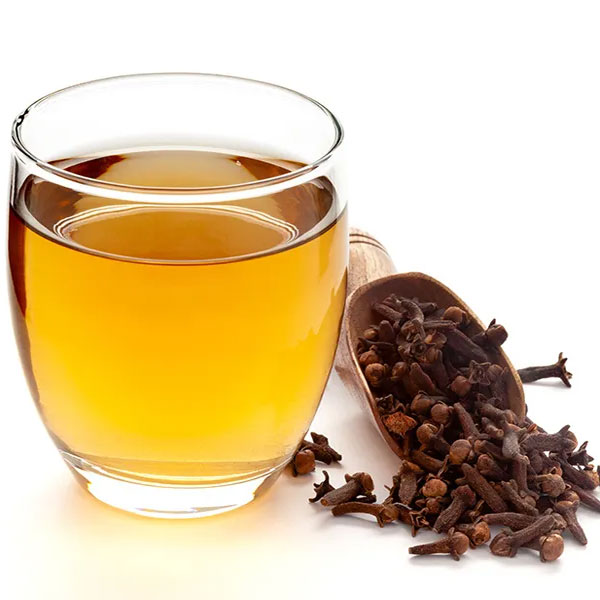
Cloves rarely work alone. They need partners that round off their intensity, and understanding what it pairs with will help you build drinks that taste layered instead of one-note. In practice, cinnamon adds sweetness, star anise adds a gentle licorice note, orange brings brightness, and ginger or cardamom adds warmth. A good rule of thumb is to keep cloves as the smallest spice in the pot, since their flavor is the strongest and the hardest to correct once it has taken over.
cloves mulled wine recipe
Common Mistakes to Avoid
Boiling the drink. High heat makes spices harsh and drives off the alcohol in wine.
Using too many cloves. When in doubt, start with fewer. You can always steep a little longer, but you cannot take flavor back out.
Leaving the cloves in overnight. If you plan to reheat leftovers, strain the spices first.
Skipping the taste test. Wine, cider and sweeteners all vary, so adjust the sugar and spice at the end instead of following the measurements blindly.
A Short Note on Where Cloves Come From
If you have ever wondered why such a tiny dried bud carries so much flavor, the story is a fascinating one. Cloves are the unopened flower buds of an evergreen tree native to Indonesia’s Maluku Islands, and they were once so valuable that empires fought over them. If you would like to dig deeper, the clove record has the full history, from ancient trade routes to the farms where they are grown today.
Great mulled drinks are not complicated. Use whole cloves, keep the heat low, steep for a sensible amount of time and taste as you go. Stick to roughly five cloves for a bottle of wine, ten for a half-gallon of cider and two or three for a mug of tea, and you will end up with a drink that is warm, aromatic and balanced every time. Make a batch this weekend, and you may find that the smell of simmering cloves becomes the signature scent of your season.
Records mentioned in this article
-
 🇮🇩 Indonesia
Verified
CloveThe world's largest grower exports almost none of it — because it smokes them
Smallholder growers of Maluku and Sulawesi
Open the record
🇮🇩 Indonesia
Verified
CloveThe world's largest grower exports almost none of it — because it smokes them
Smallholder growers of Maluku and Sulawesi
Open the record
-
 🇨🇳 China
Verified
Tea
Ancient Chinese farmers
Open the record
🇨🇳 China
Verified
Tea
Ancient Chinese farmers
Open the record
-
 🇨🇳 China
Verified
Orange
Ancient Chinese growers
Open the record
🇨🇳 China
Verified
Orange
Ancient Chinese growers
Open the record
-
 🇱🇰 Sri Lanka
Verified
CinnamonOne name, five trees — and the cheap one outsells the real one ninety-nine to one
Smallholder bark peelers of the southwestern wet zone
Open the record
🇱🇰 Sri Lanka
Verified
CinnamonOne name, five trees — and the cheap one outsells the real one ninety-nine to one
Smallholder bark peelers of the southwestern wet zone
Open the record
Frequently Asked Questions
For a standard 750 ml bottle of wine, four to six whole cloves is the right range. Cloves are one of the strongest spices you can put in a pot, so starting at the lower end is wise, especially if you plan to keep the wine warm for a while. You can always add a clove or two at the next batch, but you cannot remove a flavor that has already taken over.
You can in an emergency, but the result will not be as good. Ground cloves dissolve completely, which makes the drink cloudy and gritty, and they keep releasing bitterness the longer they sit. If you only have ground cloves, use a tiny pinch (roughly a quarter teaspoon for a whole bottle of wine) and serve the drink right away.
Mulled wine needs 15 to 20 minutes of gentle steeping over low heat, and cider can handle 20 to 30 minutes on the stove or up to two or three hours in a slow cooker. Tea is much quicker, since the cloves only need about 5 minutes of simmering before the tea leaves go in. In all three cases, taste as you go and remove the cloves once the flavor feels balanced.