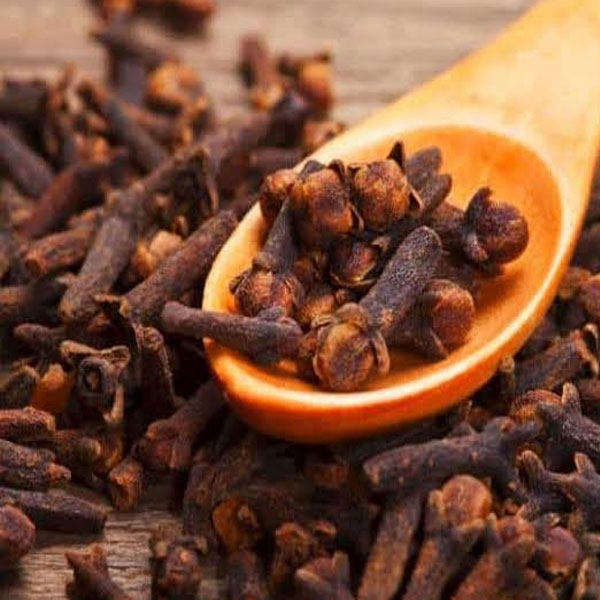
Almost everyone who cooks with cloves has had the same quiet disaster at least once: a pot of rice that smells wonderful for the first ten minutes and then tastes like a dentist’s office, or a mulled drink so aggressive that it leaves your tongue slightly numb. Cloves are among the most powerful spices in any kitchen, and that power is exactly why the question of how many cloves to use in cooking matters so much more than it does with cumin or paprika. This spice has traveled the world for thousands of years, and if you are curious about where that intensity comes from, the clove record tells the story of how a tiny dried flower bud became one of the most valuable commodities in history.
Why Cloves Need a Light Hand
If you have ever wondered why one clove can season an entire pot while a whole spoonful of coriander barely registers, the answer is chemistry. Cloves are packed with a compound that gives them their warm, sweet, almost medicinal punch, and it is also the reason they slightly numb your mouth when you bite into one. If you want the full explanation, why a little goes a long way breaks down how that compound behaves in heat, fat, and liquid, which helps you predict how strongly a dish will taste before you ever lift the lid.
In practice, this means you should think of cloves as a background note rather than a lead singer. When a guest says, “I can taste the clove,” about a savory dish, it is rarely a compliment.
how many cloves to use in cooking
Whole or Ground: Choose Before You Measure
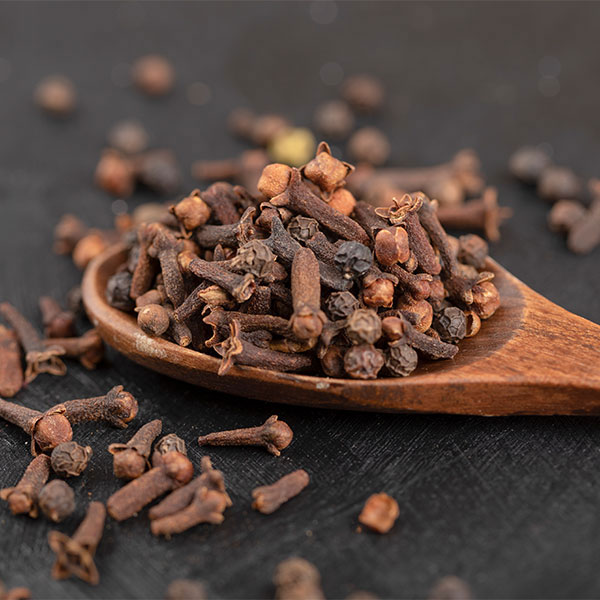
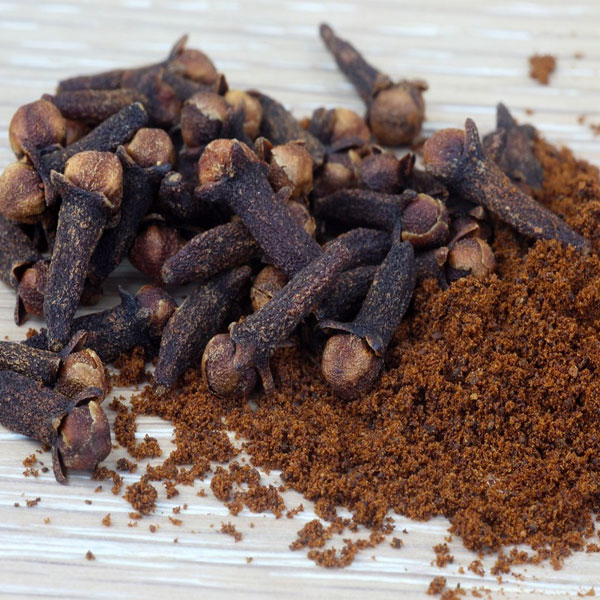
Before you count anything, you need to decide which form you are using, because the two behave very differently. Whole cloves release their flavor slowly and gently, which makes them ideal for long simmers where you can fish them out at the end, while ground cloves dissolve completely and hit your palate all at once. If you are still deciding between them, whole or ground walks through the strengths of each form, but a reliable rule of thumb is that about three to four whole cloves equal roughly a quarter teaspoon of ground clove. Treat that as a starting point, and always lean toward the smaller amount when you are substituting one for the other.
How Many Cloves to Use in Cooking, Dish by Dish
The amounts below are tested starting points for about four servings, unless noted, and they assume whole cloves that are removed before serving.
Rice and pilaf. For every cup of dry rice, use two to three whole cloves, or about an eighth of a teaspoon of ground clove. Add them to the cooking water at the start, then discard them before you serve, since a single clove bitten by accident can overpower an entire forkful.
Stews, braises, and soups. A pot that serves four to six people does well with three to five whole cloves, or a quarter teaspoon of ground. Tucking the cloves into a halved onion keeps them together and makes them far easier to find when the pot is done.
Hot drinks such as chai or spiced tea. For about two cups of liquid, three to four whole cloves, or a small pinch of ground, is enough. Steep them for five to eight minutes and no longer, because a longer steep pulls out bitterness faster than it pulls out sweetness.
Mulled wine or cider. One bottle of wine or half a gallon of cider can handle five to six whole cloves. Keep the liquid at a gentle simmer, since a hard boil turns the spice harsh and the alcohol thin.
Cakes, cookies, and pies. In baking, ground clove is the better choice, and a quarter teaspoon per standard recipe is plenty. Blend it with cinnamon and nutmeg to soften its edge, and skip whole cloves entirely in batters and doughs.
Poached fruit. For pears, apples, or quinces, three to four whole cloves, or an eighth of a teaspoon of ground, gives a warm, rounded flavor. Remove the cloves as soon as the fruit is tender.
how many cloves to use in cooking
Ratios That Keep You on Track
If you prefer to cook by feel instead of by measurement, a few simple ratios work almost everywhere. Use roughly one whole clove for every cup of dry rice or grain, two cloves per quart of simmering liquid in savory dishes, and no more than one clove per cup in sweet drinks, where the sugar masks some of the intensity. For baking, a quarter teaspoon of ground clove is a safe ceiling for a recipe that serves eight to ten people. These ratios are conservative by design, because you can always add more flavor next time, but you can never take it back out of a pot that has already gone too far.
What Happens When You Use Too Many
Overusing cloves causes two problems at once, and both are easy to recognize. First, the food turns bitter, with a sharp, almost astringent edge that lingers at the back of your throat. Second, it dulls your senses, because the same compound that makes cloves aromatic also numbs your tongue, so everything else in the dish, including the salt, the acid, and the delicate herbs, becomes harder to taste. The cruel part is that the numbness tricks you into adding more seasoning, which makes things worse.
If you realize you have gone too far, take out the whole cloves immediately, add a splash of acid such as lemon juice, and stretch the dish with more liquid, rice, or vegetables. Ground clove is far harder to rescue, so measure it with an actual spoon rather than a shake.
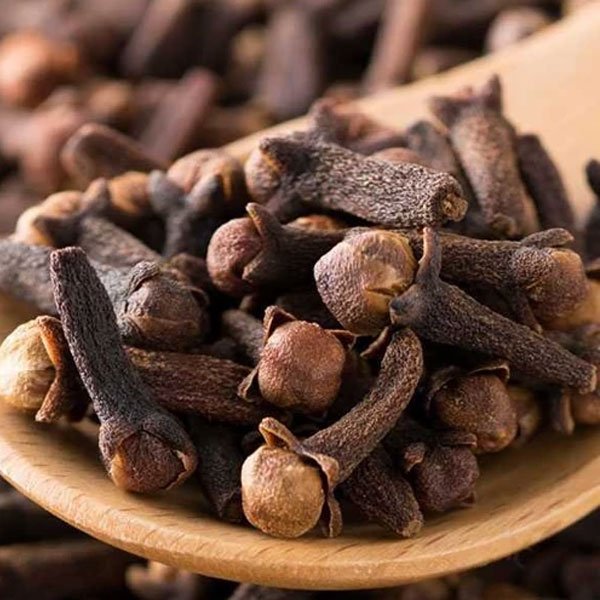
how many cloves to use in cooking
Practical Tips From the Kitchen
The most useful habit you can build is to count your cloves in and count them out again, since a forgotten clove in someone’s mouth is an unpleasant surprise. Pushing them into an onion, tying them in a small piece of cheesecloth, or using a tea infuser keeps them contained and easy to remove. Toasting them in a dry pan for thirty seconds wakes up their aroma, which means you can often use one fewer clove and still get a rounder flavor. Finally, check the age of your jar, because cloves that are more than two years old lose their oils, and a fresh clove should leave a faint oily mark when you press it with a fingernail.
When people ask how many cloves to use in cooking, the honest answer is that restraint is the whole skill. Start with two or three in a pot of rice, three to five in a stew, and a quarter teaspoon of the ground spice in baking, then taste and adjust over several attempts until the amount feels right for your own palate. Cloves reward patience and a light hand, and once you get that balance right, they give your food a warmth that no other spice can imitate.
Records mentioned in this article

Frequently Asked Questions
Roughly 12 to 16 whole cloves equal one teaspoon of ground clove, which follows from the rule that three to four whole cloves make about a quarter teaspoon. Because ground clove is much more concentrated in the mouth, start with slightly less than the conversion suggests and adjust after tasting.
It is better to remove them. Whole cloves stay hard and intensely flavored even after long cooking, so biting into one is unpleasant and slightly numbing. Count them when you add them and again when you take them out, or contain them in an onion, a cheesecloth bundle, or an infuser.
Remove the whole cloves right away, then dilute the dish with extra liquid, rice, or vegetables. A small splash of lemon juice or vinegar and a pinch of sugar can balance the bitterness. If you used ground clove, dilution is the only reliable fix, so it is safest to measure with a spoon from the start.