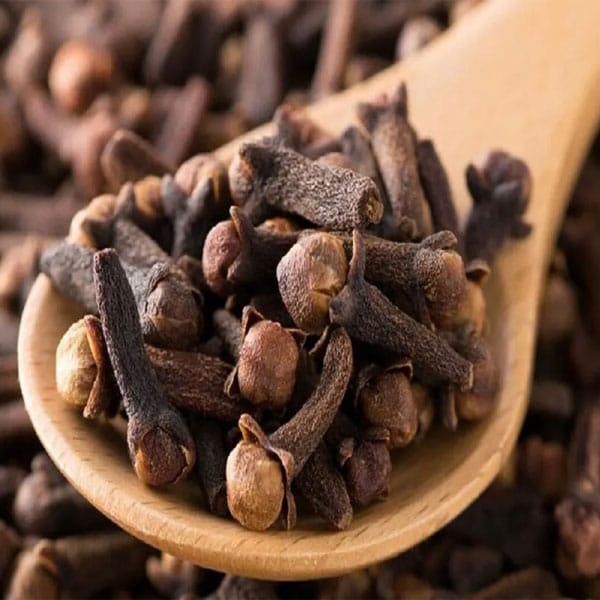
If you have ever bitten into a whole clove by accident, you know the feeling. First comes a hot, almost medicinal intensity, then a strange tingle, and finally a faint numbness on your tongue that lingers longer than you expect. That sensation is not a trick of your imagination. It comes from a single molecule, and once you understand it, you will cook with cloves very differently.
So, what is eugenol? In short, it is the main aroma compound in cloves and the reason the spice smells the way it does. It is also the reason a clove feels the way it does in your mouth. One compound does both jobs, and that is what makes cloves so unusual among spices.
Key takeaways
Eugenol makes up roughly 72 to 90 percent of clove essential oil.
The same compound is responsible for both the smell and the numbing, tingling feeling.
This article is about food and flavor, so it makes no health or treatment claims.
what is eugenol
What is eugenol, exactly?
Eugenol is a naturally occurring aromatic compound, a member of the phenylpropanoid family. Plants make these molecules partly as chemical defense, and eugenol is a very effective one. It is oily, pale yellow to colorless, and it evaporates slowly at room temperature, which is why a jar of cloves can perfume an entire kitchen cabinet.
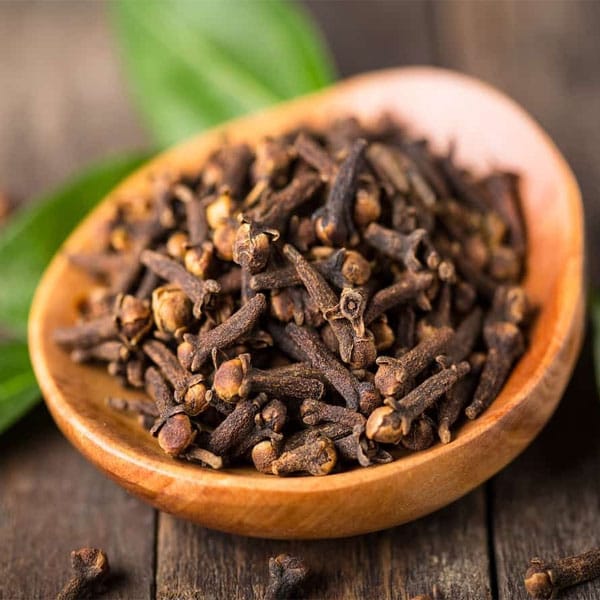
The compound is most famous in clove buds, the dried, unopened flower buds of the tree Syzygium aromaticum, which originally grew on a handful of small islands in eastern Indonesia. When you steam-distill those buds into essential oil, eugenol dominates the result. Most of the remainder is a smaller aromatic called eugenyl acetate and a woody, peppery molecule called beta-caryophyllene. For the full origin story and the figures behind it, including how that 72 to 90 percent range holds up across harvests, see the clove record.
The range is wide because cloves are a crop, not a factory product. Soil, altitude, harvest timing, drying method, and even how long the buds sit in storage all shift the final chemistry. A freshly dried bud from a good harvest will smell sharper and richer than a tired one that has been sitting in a warehouse.
Why cloves smell the way they do
Eugenol’s scent is warm, sweet, spicy, and slightly smoky, with a hint of something that reminds many people of a dentist’s office. That last association is real, and we will come back to why it exists in a moment. But in the kitchen, the dominant impression is of holiday baking, mulled wine, and slow-simmered broths.
Part of what makes eugenol so recognizable is that it is chemically related to vanillin, the main flavor molecule in vanilla. Food chemists have long known that eugenol can serve as a starting material for making vanillin, and that kinship is one reason cloves and vanilla get along so well in desserts. If you have ever noticed that a pinch of clove makes a vanilla custard taste rounder and more “baked,” that is a family resemblance at work.
Eugenol is not exclusive to cloves, either. You will find it in smaller amounts in cinnamon leaf, bay leaf, basil, nutmeg, and allspice. This explains why allspice is often described as tasting like a blend of clove, cinnamon, and nutmeg: it carries a meaningful share of the same aromatic backbone.
what is eugenol
Why cloves make your mouth tingle and go numb
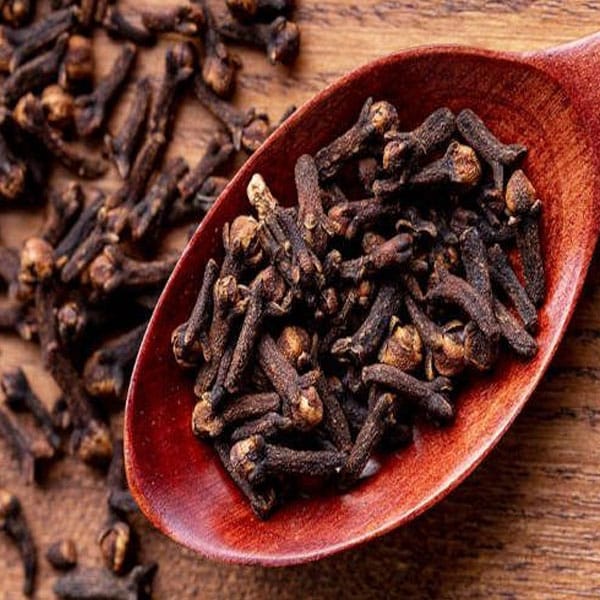
Here is the part most people are really curious about. Your mouth is full of sensory nerve endings that detect heat, cold, pain, and irritation. Eugenol interacts with some of these receptors, including the same family that responds to chili heat. That is why a raw clove can feel warm and sharp before it tastes like anything at all.
After that initial burn, the sensation changes. At higher concentrations, eugenol also affects how nerve cells in the mouth fire their signals, which dulls the feeling in that spot. The result is the tingle-then-numb effect that cooks and curious eaters notice when they chew a whole bud.
The key point for cooking is that this is a dose-dependent effect. A little eugenol gives you warmth and fragrance. A lot gives you an aggressive, almost soapy intensity that overpowers everything else on the plate. The difference between a beautifully spiced ham and a dish that tastes like a cough drop is often one extra clove.
How to cook with eugenol-rich cloves (and not overdo it)
Because eugenol is so concentrated, cloves reward restraint. These are the practical rules that experienced cooks follow.
Start smaller than you think. For a pot of soup or stew serving four to six people, two or three whole cloves are usually plenty. For ground clove in baking, a pinch to one-eighth of a teaspoon per recipe is a common starting point.
Use whole cloves you can remove. Pushing cloves into a halved onion, a citrus fruit, or a ham lets the flavor infuse gradually, and you can fish them out before serving. This also protects your guests from biting down on a bud and getting that full numbing hit.
Grind them fresh when you can. Eugenol is volatile, which means it escapes into the air over time. Pre-ground clove can lose much of its punch within a few months, while whole buds stay potent far longer. A small spice grinder or a mortar and pestle takes seconds.
what is eugenol
Bloom them in fat. Eugenol dissolves well in oil and butter. Warming whole cloves gently in oil at the start of a recipe, as many Indian and Southeast Asian cooks do, spreads the aroma through the entire dish more evenly than dropping them into water.
Balance them with sweetness and acid. Sugar, fruit, vinegar, and wine all soften clove’s edge. This is why it shows up in pickling brines, spiced fruit compotes, and mulled drinks.
Where you will meet eugenol on your plate
Once you know what to look for, you will find clove’s signature in a surprising number of cuisines:
Indian cooking: garam masala, biryani, and masala chai all rely on clove’s warmth.
Vietnamese pho: charred spices in the broth, including clove, give it that deep, perfumed backbone.
European baking: gingerbread, speculoos, and Christmas cakes lean on clove alongside cinnamon and nutmeg.
Mexican cuisine: moles and adobos often use a touch of clove to add depth.
Preserved and cured foods: studded hams, pickled fruits, and spiced vinegars.
In each of these, the cook is controlling eugenol: enough to perfume the dish, never enough to numb the diner.
How to choose and store cloves
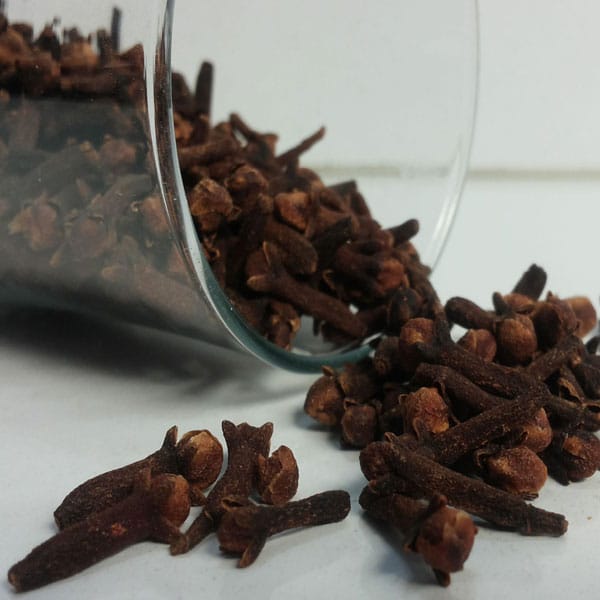
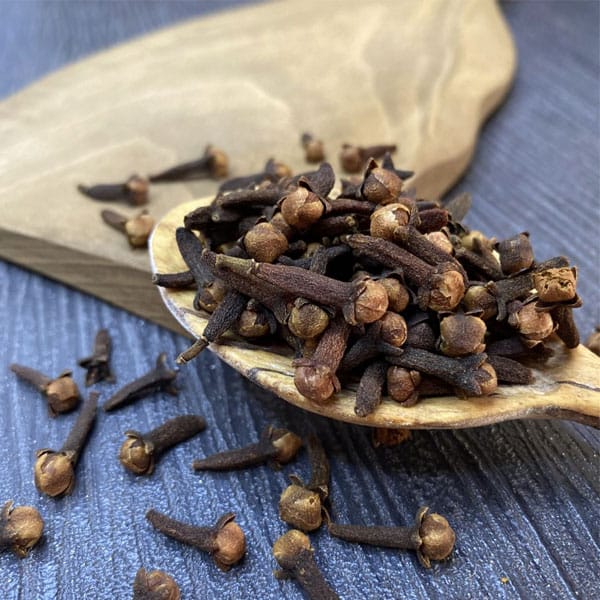
Quality matters because eugenol is the whole point. Look for buds that are dark reddish-brown, plump, and intact, with the little ball-shaped head still attached to the stem. A simple freshness check is to press a bud with your fingernail. Good cloves release a faint trace of oil, and the scent should hit you immediately. If you have to sniff hard, the volatile compounds have likely faded.
Store them in an airtight container away from heat, light, and moisture. A cool cupboard is better than a shelf above the stove. Kept this way, whole cloves hold their character for a year or more.
what is eugenol
What if you run out? Eugenol-friendly substitutes
If a recipe calls for clove and your jar is empty, allspice is the closest swap because it shares eugenol in meaningful amounts. Use it in about the same quantity. A blend of cinnamon and a little nutmeg can also approximate the warmth, though it will lack that sharp, numbing edge. In savory dishes, a bay leaf can add a gentle eugenol note without the intensity.
Eugenol is the reason cloves smell like cloves and the reason they bite back. It makes up the large majority of the bud’s essential oil, it explains both the perfume and the tingle, and it rewards cooks who respect its strength. Use whole buds, start small, remove them before serving, and let the aroma do the work. Learn to read that one molecule, and you will understand almost everything about how this spice behaves in your kitchen.
Records mentioned in this article

Frequently Asked Questions
It is the aromatic compound that gives cloves their signature smell and their tingling, numbing bite.
Roughly 72 to 90 percent, depending on the crop and how the oil is produced.
No. Smaller amounts appear in cinnamon leaf, basil, bay leaf, nutmeg, and allspice, but cloves are by far the richest source.