If you have ever pressed a dark, nail-shaped spice into an orange or dropped a few into a pot of simmering rice, you have already met the clove. Most of us use it for years without asking what it actually is. The surprising answer is that a clove is a flower bud: a small, tightly closed bud that is picked before it ever gets the chance to bloom. It is not a seed, and it is not a fruit. The spice comes from the evergreen tree Syzygium aromaticum, and if you want to see where the story begins, the clove record traces its botanical identity and its origins in the islands where it was first cultivated.
This guide answers the question “what is a clove spice?” the way a curious cook would want it answered: what it is, why it has such a strange name, why it gets confused with garlic, and how to use it so your food actually tastes better.
So, What Is a Clove, Exactly?
A clove is the dried, unopened flower bud of a tropical tree. Not a seed, not a fruit. The tree produces clusters of small buds at the tips of its branches. At first the buds are pale green, and as they mature they shift toward a rosy red. That color change is the signal for harvesters. If the buds are left on the tree, they open into small pinkish flowers and eventually become small fruits, but by then the spice is essentially lost. The aroma that makes cloves valuable lives in the bud, and it fades once the flower opens.
what is a clove spice
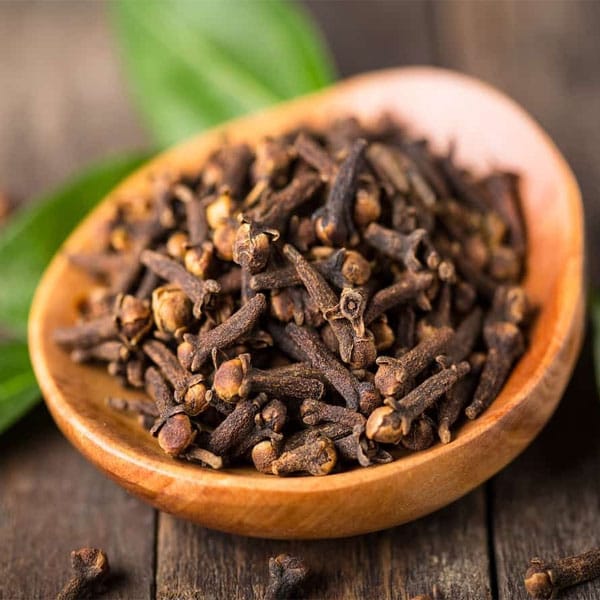
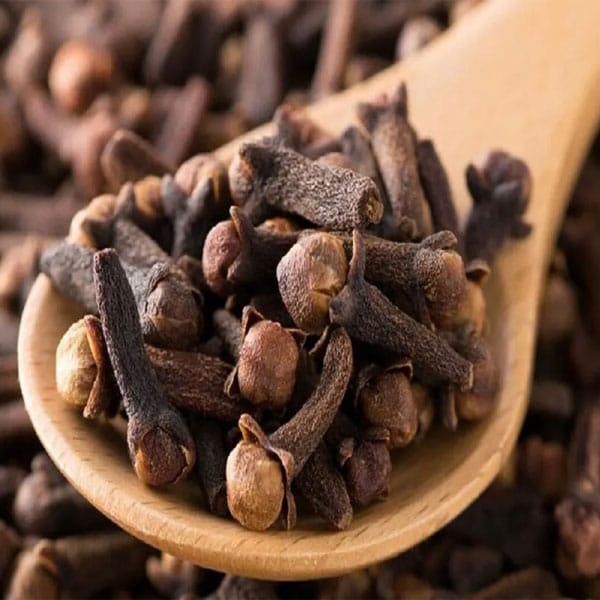
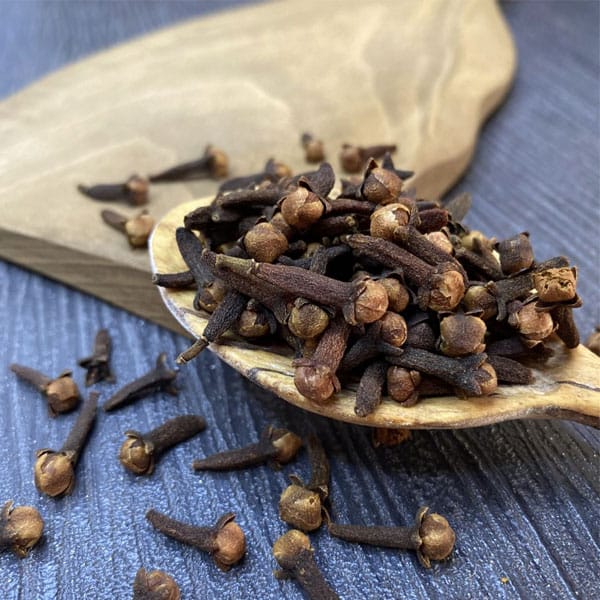
This is the reason the phrase “the flower bud that never opened” fits so well. Every clove in your spice jar is a flower that was stopped at the very last moment before blooming. When you look closely at a whole clove, you can still see the structure: a slim stem on the bottom, and at the top a small round “head” with four tiny points around it. Those points are the remains of the sepals, and the ball in the middle is the folded petals, still closed.
Many people assume cloves are seeds because they are small, hard, and dark. A quick test of this assumption is to look at the shape. Seeds have a plain, compact form, while a clove has a stem and a crown, like a miniature mace. That is the botanical fingerprint of a flower bud.
Where the Name “Clove” Comes From
The English word comes from the Latin clavus, which means “nail.” The connection is easy to see once you hold a dried clove in your hand: the long, narrow stem and the rounded head look remarkably like a tiny hand-forged nail. Over time, the word traveled through Old French (clou) and settled into English as “clove.” The French still say clou de girofle, literally “nail of the clove tree,” which keeps the nail image alive.
So every time you say the word, you are, in a sense, calling the spice “the little nail.” It is a good example of how everyday cooking vocabulary carries history inside it.
Clove vs. “Clove of Garlic”: Not the Same Word, Not the Same Thing
This is where a lot of confusion begins, and it matters, because mixing them up can ruin a recipe. A “clove of garlic” has nothing to do with the clove spice. They are unrelated plants, unrelated flavors, and the word is borrowed in a completely different way.
In “clove of garlic,” the word comes from an older English term related to the idea of splitting or cleaving. A garlic bulb is divided into segments, and each segment is called a clove. That meaning is about shape and division, not about a flower bud or a nail.
Here is the practical difference:
Clove (spice): a dried flower bud, dark brown, intensely aromatic, warm and sweet-pungent.
Clove of garlic: one segment of a garlic bulb, pale, savory, sharp when raw and mellow when cooked.
what is a clove spice
If a recipe says “add two cloves,” look at the rest of the ingredient list. When garlic, onion, or a savory sauce is involved, the recipe almost certainly means garlic. If the recipe is about baked ham, mulled wine, apple pie, or a spice blend, it means the spice. And if you ever see “one clove, minced,” you can be fairly confident that it means garlic, because nobody mincing the spice would do it that way.
What Does a Clove Taste Like?
Clove is one of the boldest spices in the pantry. The flavor is warm, sweet, and slightly peppery, with a numbing, almost medicinal edge. That edge comes largely from a compound called eugenol, which makes up the greater part of the bud’s essential oil. Eugenol is also why a clove can leave your tongue feeling slightly tingly or numb if you bite into one.
In practice, this means cloves behave very differently from gentler spices like cinnamon or coriander. A little goes a long way. Add too much and a dish stops tasting warm and starts tasting like a dental office. Add just enough and you get a deep, rounded sweetness that makes a stew, a syrup, or a baked fruit taste more complete.
How Cloves Are Grown and Harvested
The clove tree is native to a small group of islands in eastern Indonesia, and it thrives in warm, humid, tropical conditions. Spice trading history was shaped by these islands for centuries, and cloves were once among the most valuable goods in the world.
The tree is patient. It can take several years before it produces a meaningful harvest, and a mature tree can keep producing for decades. Harvesting is done by hand. Pickers climb to reach the branch tips and snap off the clusters when the buds reach the right color. Because the timing matters so much, this is skilled work.
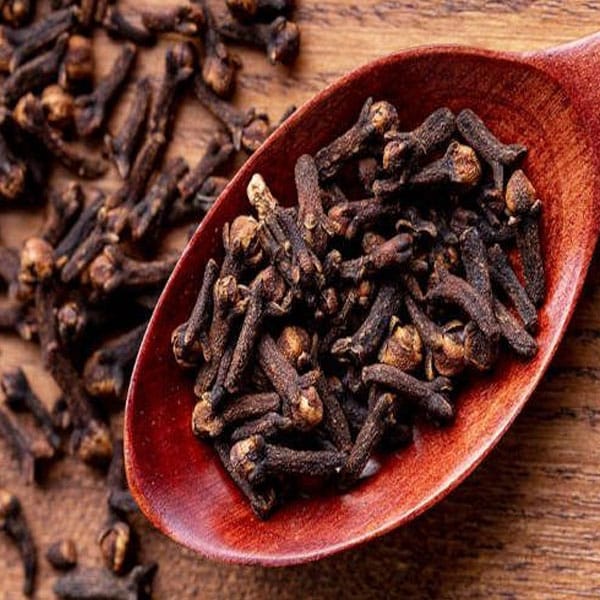
After picking, the buds are separated from their stalks and spread out in the sun to dry. As they dry, they shrink and darken from rosy red to the familiar deep brown. Good drying preserves the oil, and the oil is the spice. This is why a clove that looks plump and oily will taste much better than one that looks shriveled and dusty.
what is a clove spice
Whole Cloves vs. Ground Cloves
You will find both in stores, and they are not interchangeable one-to-one.
Whole cloves keep their flavor for a long time because the oil is sealed inside the bud. They are best for infusions: studded into an onion for broth, tucked into poaching liquid, floated in mulled wine, or added to a pot of rice. You remove them before serving, since biting into one is not pleasant.
Ground cloves disperse evenly and are ideal for baking and spice blends such as pumpkin pie spice or gingerbread. The downside is that the flavor fades much faster once the bud is crushed, so ground cloves that have sat in the cabinet for a long time taste flat.
A useful rule of thumb from experience: if you bake or cook with cloves only a few times a year, buy whole cloves and grind a few at a time. The difference in aroma is immediately obvious.
How to Choose and Test Good Cloves
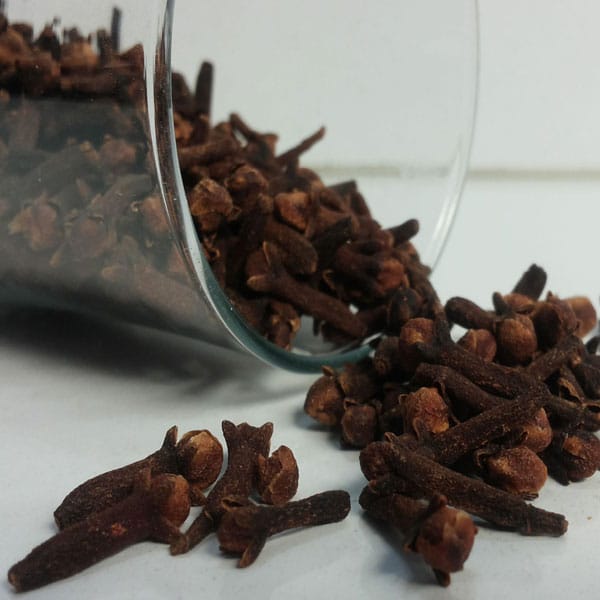
Fresh cloves should look plump and dark brown, with the head intact and a slightly oily surface. If they are pale, brittle, or crumbling, they are probably old.
Two simple checks you can do at home:
The fingernail test. Press a clove with your fingernail. A fresh one releases a little oil and a strong scent right away.
The smell test. Crush one between your fingers. If the aroma is sharp, sweet, and unmistakable, it is good. If it smells faint, it is past its best.
Store cloves in an airtight container away from heat, light, and moisture. Whole cloves can stay good for a year or two, while ground cloves are best used within several months.
Practical Ways to Cook With Cloves
Cloves show up in more cuisines than most people realize. Here are some of the most reliable uses:
Savory dishes: A couple of whole cloves in a pot of rice, a braise, or a bean stew gives a quiet background warmth. In many South Asian dishes, cloves are part of the base spices that are fried in oil at the start of cooking.
Spice blends: Cloves are a key ingredient in garam masala and in many warm baking blends.
Baked ham and roasts: Pressing whole cloves into the surface of a glazed ham is a classic technique. The cloves slowly perfume the meat as it cooks.
Drinks: Mulled wine, spiced tea, and warm cider all benefit from a few whole cloves.
Pickling and syrups: A clove or two in a pickling brine or a simple syrup adds depth without overpowering.
what is a clove spice
A good rule for beginners: start with one to three whole cloves for a family-size pot of food, or about a quarter teaspoon of ground clove for a standard baking recipe. You can always add more next time, but you cannot take it back out.
Common Mistakes to Avoid
Using too much. This is the number one error. If a recipe seems to call for a lot, taste as you go.
Leaving whole cloves in the dish. They are hard and intensely flavored, so fish them out before serving or warn your guests.
Confusing clove with garlic. Read the full recipe before shopping.
Buying pre-ground in bulk. It loses aroma quickly, and you will end up with a jar of disappointing dust.
A Note on Clove Oil and Everyday Use
Clove has a long folk reputation for soothing toothaches, and that is tied to eugenol’s numbing effect. Clove oil is very concentrated and can irritate the gums and skin if used undiluted. If you are considering it for any health reason, talk to a doctor or pharmacist first. For cooking, whole and ground cloves are used in small amounts and are generally considered safe as part of a normal diet.
Records mentioned in this article

Frequently Asked Questions
Neither. It is an unopened, dried flower bud.
The name comes from the Latin word for "nail," because the dried bud looks like one.
No. They share a word by coincidence, but they come from different plants and have different meanings and flavors.