Khorasan isn’t just a place on a map; it is the beating heart of the global saffron industry. Whether you are a chef looking for the perfect paella ingredient, a trader sourcing bulk spices, or a consumer seeking the health benefits of this ancient spice, understanding the grades, the terroir, and the market dynamics of this region is your best defense against overpriced, subpar products. Always look for the origin, understand the grade you are paying for, and let the aroma and color speak for themselves.
Saffron at a Glance: Key Facts for Buyers & Businesses
| Category | Details |
|---|---|
| Botanical Name | Crocus sativus L. |
| Primary Origins | Iran (90%), Afghanistan, Spain, Kashmir (India), Greece |
| Active Compounds | Crocin (color), Picrocrocin (flavor), Safranal (aroma) |
| Grading Standards | ISO 3632 (Category I–III based on crocin, picrocrocin, safranal levels) |
| Common Grades | Sargol (all-red threads), Negin (premium long threads), Pushal (red + some yellow) |
| Retail Price Range (2026) | 8– 15/gram (premium), 500 – 500– 3,000/kg (bulk, B2B) |
| Key Quality Indicators | Deep red color, minimal yellow threads, strong aroma, moisture <12%, no additives |
| Shelf Life | 2–3 years (airtight, cool, dark storage) |
| Culinary Uses | Paella, risotto, Persian rice, desserts, teas |
| Health Benefits | Antioxidant, mood support, potential anti-inflammatory properties* |
| Buying Tips for Consumers | Buy threads (not powder), check ISO cert, test 2–3 threads in warm water |
| Sourcing Tips for Businesses | Request lab reports (ISO 3632), verify origin docs, sample before bulk orders |
Saffron at a Glance: Key Facts for Buyers & Businesses. Origin, grades, 2026 prices, and purity checks — the essentials for both home and bulk saffron buyers, in one table. Columns: Category, Details. Botanical Name — Crocus sativus L.. Primary Origins — Iran (90%), Afghanistan, Spain, Kashmir (India), Greece. Active Compounds — Crocin (color), Picrocrocin (flavor), Safranal (aroma). Grading Standards — ISO 3632 (Category I–III based on crocin, picrocrocin, safranal levels). Common Grades — Sargol (all-red threads), Negin (premium long threads), Pushal (red + some yellow). Retail Price Range (2026) — 8– 15/gram (premium), 500 – 500– 3,000/kg (bulk, B2B). Key Quality Indicators — Deep red color, minimal yellow threads, strong aroma, moisture <12%, no additives. Shelf Life — 2–3 years (airtight, cool, dark storage).
If you want to understand saffron, you have to look past the fancy packaging in Western supermarkets and travel to the dry, sun-baked landscapes of Khorasan. Located in the northeastern part of Iran, this historical region is the undisputed saffron capital of the world, responsible for producing over 85% to 90% of the global supply.
But why Khorasan? What makes the dirt, the air, and the hands of the local farmers here so uniquely suited to growing the world’s most expensive spice? After years of analyzing the saffron trade and its origins, I’ve found that the answer lies in a perfect storm of geography, centuries-old traditions, and a highly specific climate.
Here is an inside look at the Khorasan saffron ecosystem, how it compares to the rest of the world, and exactly what you need to know to make an informed buying decision.
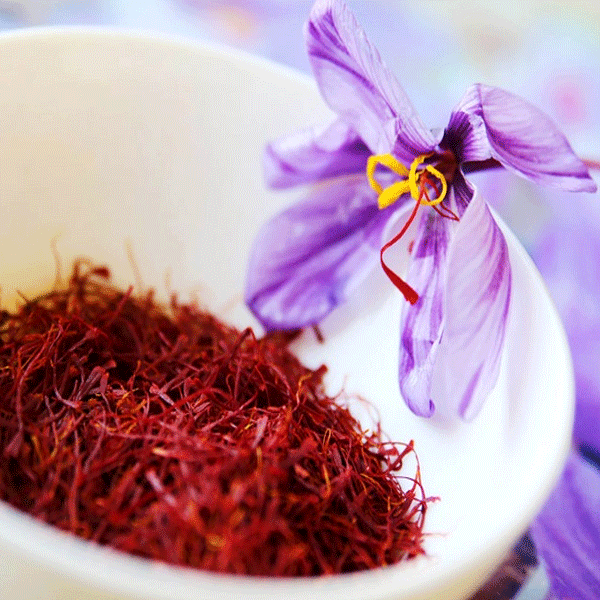
Khorasan saffron
The Secret in the Soil: The Terroir of Khorasan
You can try planting Crocus sativus (the saffron flower) anywhere, but it won’t yield the same chemical profile as it does in Khorasan. The concept of “terroir” isn’t just for French wine; it is the lifeblood of high-quality saffron.
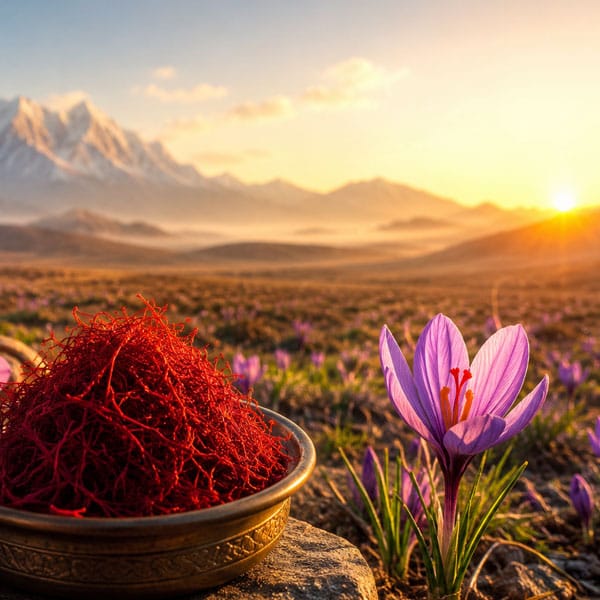
Khorasan offers a harsh, semi-arid climate. The winters are cold, and the summers are blazing hot and dry. This extreme temperature fluctuation is exactly what the crocus bulbs need to remain dormant and then aggressively bloom in the autumn.
Furthermore, the soil in regions like Qaen, Gonabad, and Torbat-e Heydarieh is sandy and well-drained. The lack of heavy rainfall during the growing season means the flowers aren’t waterlogged, concentrating the essential compounds that give saffron its value: Crocin (color), Picrocrocin (flavor), and Safranal (aroma).
A Labor-Intensive Tradition: The Dawn Harvest
There is no machine capable of harvesting saffron. It is an entirely human experience.
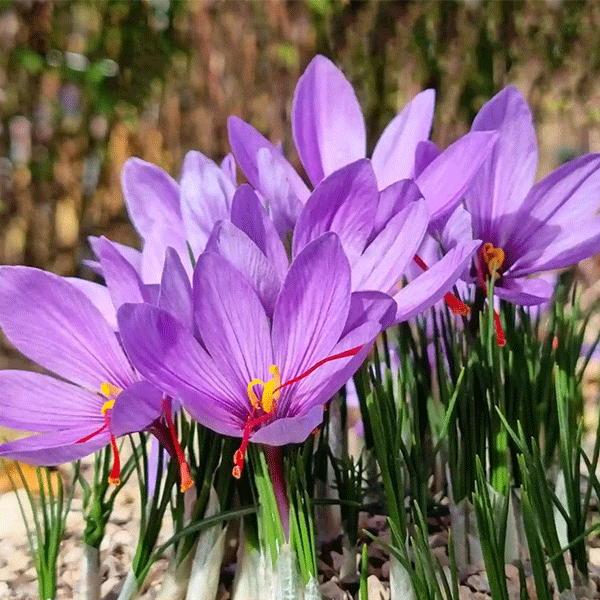
Khorasan saffron
During the brief 20-to-30-day harvest window in late October and November, fields in Khorasan come alive before sunrise. The flowers must be picked before the dawn breaks and the sun’s harsh rays hit the delicate purple petals, which would cause the active compounds to degrade.
It takes roughly 150,000 to 170,000 individual flowers to produce just one kilogram of dried saffron. Every single crimson stigma is separated from the flower by hand. This intense manual labor is the primary reason behind saffron’s high price tag, and in Khorasan, this knowledge has been passed down through generations of farming families.
Saffron Culture and Facts: Explore the origins, cultural significance, and surprising realities of the world’s most expensive spice.
Saffron Showdown: Khorasan vs. Spain vs. Kashmir
| Feature | Khorasan (Iran) | La Mancha (Spain) | Kashmir (India) |
|---|---|---|---|
| Crocin Level (Coloring) | Exceptionally High (often 250+) | Moderate | High |
| Thread Appearance | Long, flat, deep crimson threads | Curly, sometimes includes yellow styles | Very thick, dark maroon threads |
| Global Market Share | ~85% – 90% | Under 5% (Though highly marketed) | Under 3% |
| Best Use Case | Culinary, medicinal, bulk export | Traditional Paella | Gourmet gifting, luxury culinary |
Decoding Khorasan Saffron Grades
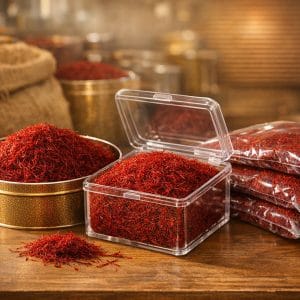
If you are sourcing saffron from Khorasan, simply asking for “saffron” isn’t enough. The locals grade their harvest based on how the thread is cut. The less yellow/white style attached to the red stigma, the higher the grade.
Here is how you should decide what to buy based on your needs:
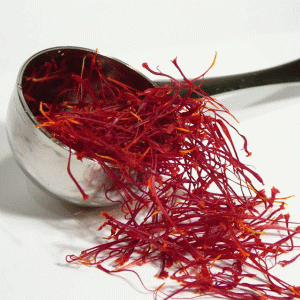
Super Negin (The Premium Choice): These are the longest, thickest, entirely red threads with no yellow crumbs. They look visually stunning and offer the highest coloring power.
Choose this if: You are a high-end restaurant, a luxury brand, or gifting.
Sargol (The Culinary Standard): Meaning “top of the flower,” this is pure red saffron, but the threads are slightly shorter and more broken than Super Negin.
Choose this if: You want premium flavor and color for daily cooking without paying the aesthetic premium of Super Negin.
Pushal (The Trustworthy Option): This grade includes the red stigma with 2–3 millimeters of the yellow style attached at the end.
Choose this if: You want 100% assurance against fake saffron. It is nearly impossible to fake the natural transition from red to yellow in a Pushal thread.
Dasteh / Bunch (The Traditional Way): The entire thread (red, yellow, and white) is kept intact and tied with a tiny string.
Choose this if: You want the most traditional, unprocessed form of the spice.
Records mentioned in this article
Frequently Asked Questions
It comes down to international trade routes and branding. Due to geopolitical restrictions, much of Khorasan’s saffron is sold in bulk to intermediaries in countries like the UAE or Spain. Those intermediaries package it, brand it, and mark up the price significantly. Buying as close to the origin and source as possible eliminates these middlemen, giving you better quality for a fairer price.
Do the cold water test. Drop a few threads into a glass of cold water. Pure saffron will slowly release a golden-yellow hue over 10 to 15 minutes, but the thread itself will remain a vivid red. If the water instantly turns dark red, or if the thread loses its color and turns white, you have bought dyed corn silk or safflower. Additionally, real saffron smells sweet (like honey and hay) but tastes slightly bitter.
If stored correctly—in an airtight glass jar, away from direct sunlight, in a cool, dry place—high-quality saffron will easily retain its potency for two to three years. Never keep it in the refrigerator, as condensation will ruin the threads.