If you have ever dropped a whole clove into a pot of mulled wine or pressed one into the skin of a Christmas ham, you were holding something that took years of patience and several days of careful hands to make. People often ask how are cloves harvested, and the short answer is surprising: every single one is picked by hand, at a very narrow moment, and then dried in the sun until it turns the dark, wrinkled brown you recognize from the spice jar. The longer answer is far more interesting, and it explains why a good clove smells so intensely warm, sweet and medicinal all at once.
This guide walks through the whole journey, from the seedling in the nursery to the finished spice on your shelf, so you can understand what you are buying and why quality varies so much from one jar to the next.
What a Clove Actually Is
A clove is not a seed, a bark or a leaf. It is the flower bud of an evergreen tree called Syzygium aromaticum, and the spice we cook with is that bud picked long before it has any chance to bloom. Many beginners are surprised by this, so if you want a clear picture of the part we harvest, take a moment to read about the unopened bud before continuing, because everything about harvesting depends on understanding why that bud matters so much.
The tree itself is a handsome, tropical evergreen that can grow to fifteen or twenty meters, with glossy leaves that smell of clove when you crush them between your fingers. The aroma comes from an oil called eugenol, which makes up the majority of the essential oil in the bud and gives cloves their famous numbing, peppery warmth.
how are cloves harvested
Where Clove Trees Grow Best
Clove trees are fussy about climate. They need a hot, humid, tropical environment with steady rainfall, good drainage and protection from strong wind, which is why they thrive on small islands and coastal hills rather than in open inland plains. If you are curious about the geography that shaped the spice trade, the story of where the tree comes from is worth your time, since the original home of the tree is a tiny cluster of volcanic islands in eastern Indonesia, and nearly everything about how cloves are grown today still echoes that setting.
Today, Indonesia remains the largest producer, followed by Madagascar, Zanzibar in Tanzania, and Sri Lanka, where growers work with the same basic conditions: warm temperatures all year, rich, well-drained loamy soil, and shade for the young plants. A grower standing in a mature grove will tell you the same thing in different words: the tree wants warmth, water that does not stand around its roots, and a lot of time.
How Cloves Are Grown: The Slow Part
Growing cloves is a long game, and this is the part most articles skip. Farmers usually start the trees from seed in a nursery, because cloves are slow to germinate and the seedlings are delicate. The young plants spend roughly a year or more under shade before they are moved to the field, where they are spaced widely so each tree has room for its spreading crown.
After planting, the real waiting begins. A clove tree typically takes five to eight years before it produces its first meaningful flowers, and it may not reach full production until it is closer to fifteen or twenty years old. A healthy tree can then keep giving for decades, and some old trees are said to bear fruit for close to a century. This long wait is one of the biggest reasons cloves hold their value: a farmer who plants a grove is making a bet that stretches across a generation.
Through those early years, growers weed carefully, mulch around the base, protect the shallow roots and prune lightly so sunlight reaches the inner branches. Too much stress in the dry season or too much standing water can weaken a young tree, and a weakened tree produces fewer, lighter buds later on.
The Moment of Harvest: Why Timing Is Everything
Now we reach the heart of the matter. A clove bud passes through a few distinct colors as it matures, and the harvester is watching for one of them. At first the bud is pale green, then it slowly takes on a pinkish blush at the base while the top still holds its closed, rounded cap. That blush, roughly when the bud is about a centimeter and a half to two centimeters long, tells the picker the oil content is at its peak.
how are cloves harvested
Wait too long and the bud begins to open. The petals fall away, the flower blooms, and much of the aromatic oil disappears. Pick too early and the bud is underdeveloped, light in weight and weak in flavor. This is why experienced pickers talk about the harvest almost like a daily appointment: miss it by a few days and you have lost quality you cannot get back.
Most regions harvest during a defined season that follows the flowering cycle, and in some places there are one or two main pickings a year. Trees do not ripen all at once, so a single tree may be visited several times as different clusters reach the right stage.
Picked by Hand, One Cluster at a Time
There is no machine that can do this job well. The buds grow in tight clusters at the tips of high, thin branches, and the tree is tall, so pickers climb bamboo ladders or the branches themselves, reaching carefully to snap off each cluster by hand. Gentle handling matters because rough pulling can damage the branch and shrink next season’s flowering.
Below, family members, often including women and children, gather the clusters from the ground or from sheets spread beneath the tree, then separate the individual buds from their small stalks. It is slow, physical work done in heat and humidity, and the pace is set by how quickly the buds ripen rather than by how quickly anyone would like to finish. This human labor is the real cost behind the spice: a worker may need an entire day to collect only a modest basket of buds, and each of them is chosen with the eye.
How Cloves Are Dried: From Pink Bud to Dark Brown Spice
Freshly picked buds are plump and moist, with a large share of their weight made of water, and if they are left alone they will mold quickly. Drying is therefore urgent, and it is also what creates the final character of the spice.
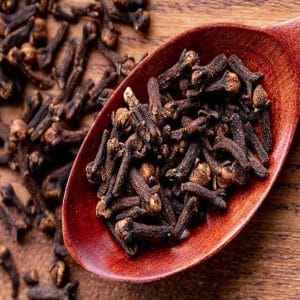
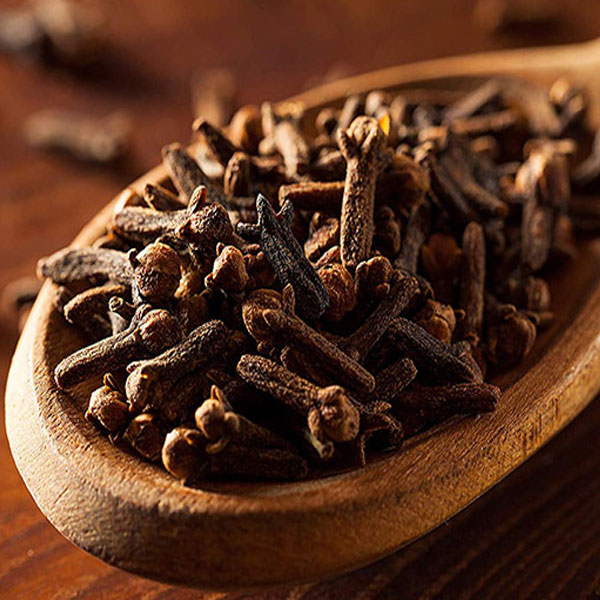
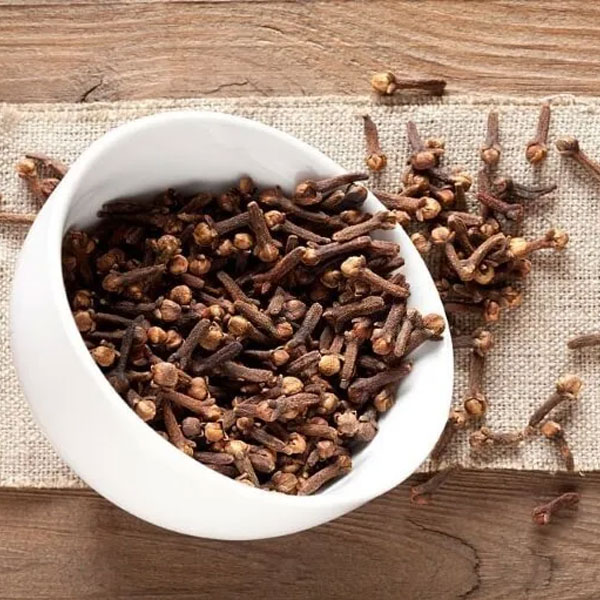
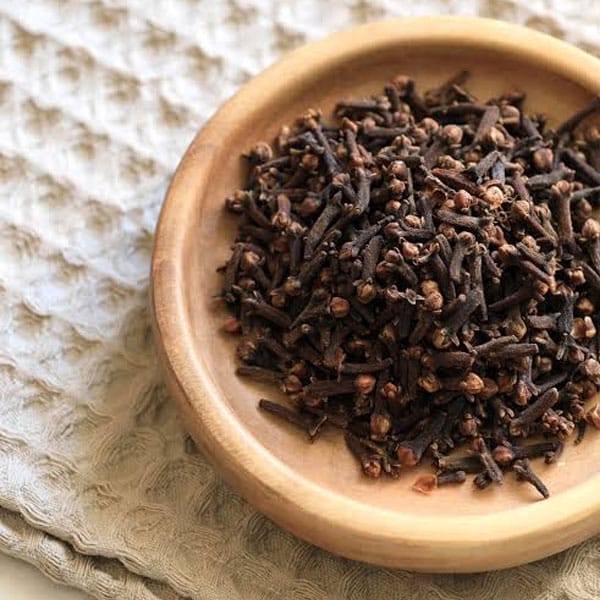
The traditional method is simple and effective. Growers spread the buds in a thin layer on mats, tarpaulins or clean concrete floors and leave them in the sun, turning them regularly so they dry evenly. Over the next several days, usually around three to five depending on the weather, the bud changes dramatically: it shrinks to roughly a third of its original weight, wrinkles, and darkens from pink to a deep reddish-brown and finally to the dark brown you know.
Some producers use mechanical dryers when rain threatens, but sun drying remains the standard because it develops a rounded, warm aroma. A well-dried clove should feel firm and dry, snap cleanly when bent, and release oil when you press a thumbnail against the head. If the buds are dried badly, rained on or stored damp, they turn dull, musty or moldy, and the spice loses both flavor and value.
how are cloves harvested
How to Tell Whether Your Cloves Were Handled Well
Once you understand the process, you can judge quality at home in a few seconds. Look for buds that are uniformly dark brown with intact round heads, because a headless clove has often been picked too late or has lost oil. Smell them: a good batch is sharp, sweet and almost medicinal, not flat or dusty. Press one with your nail and look for a faint sheen of oil, and then drop one in a glass of water, where a high-quality bud tends to sink or float upright rather than lying flat and lifeless.
Store your cloves whole, in an airtight jar, away from light and heat, and grind them only when you need them. Whole cloves keep their strength for a long time, while ground ones fade within months.
Cloves begin as a patient investment in a tropical tree, become spice at the instant a pink-tinged bud is picked by hand, and gain their color and fragrance under the sun over a handful of days. Knowing that, you can buy better, store smarter and cook with more respect for what is in your hand. If you enjoy the history behind it, you can explore the clove record to see how this humble bud earned its place in the world.
Records mentioned in this article

Frequently Asked Questions
Usually five to eight years for the first harvest, with full production arriving much later, often after fifteen years or more.
No. They are harvested by hand because the buds sit on tall, delicate branches and must be picked at exactly the right stage.
The buds are dried in the sun for several days, losing most of their moisture and darkening from pink to deep brown as they dry.