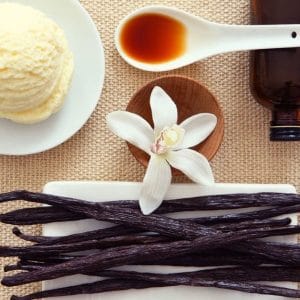
Think about the last time you enjoyed a scoop of vanilla bean ice cream, baked a batch of chocolate chip cookies, or even lit a vanilla-scented candle. The warm, comforting aroma of vanilla is so ubiquitous that we often take it for granted. It is the baseline flavor of the modern world. But if you look closely at the ingredients list on your favorite snacks and beverages, you might find yourself asking a very reasonable question: is vanilla flavoring real vanilla?
The short answer is: probably not.
In fact, it is estimated that roughly 95% of the vanilla-flavored products on the global market are flavored with artificial vanillin rather than pure vanilla extract derived from actual vanilla beans.
If your first instinct is to feel cheated by the food industry, take a deep breath. This isn’t a food industry scandal, a corporate cover-up, or a conspiracy to deprive you of quality ingredients. The truth is far more practical. It all comes down to basic mathematics, agricultural limitations, and the staggering reality of global demand.
Why There Just Isn’t Enough
To understand why the vanilla in your pantry or your favorite store-bought cake isn’t coming straight from a tropical orchid, we have to look at the numbers.
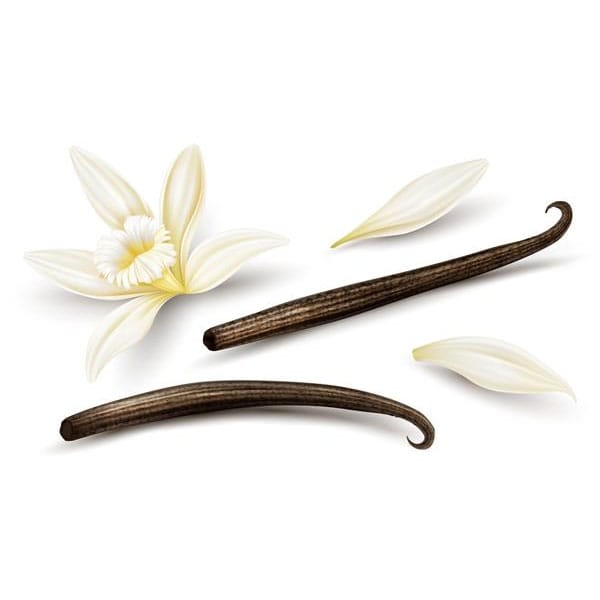
is vanilla flavoring real vanilla
Global production of natural vanilla currently sits at around 7,433 tons annually. While that might sound like a lot of beans, it is a drop in the ocean compared to the world’s insatiable appetite for the flavor. Vanilla is used in tens of thousands of commercial products across the globe—from dairy products, baked goods, and chocolates to perfumes, cosmetics, and pharmaceuticals.
If every single manufacturer insisted on using pure, natural vanilla, the global supply of 7,433 tons would be exhausted in a matter of weeks, if not days.
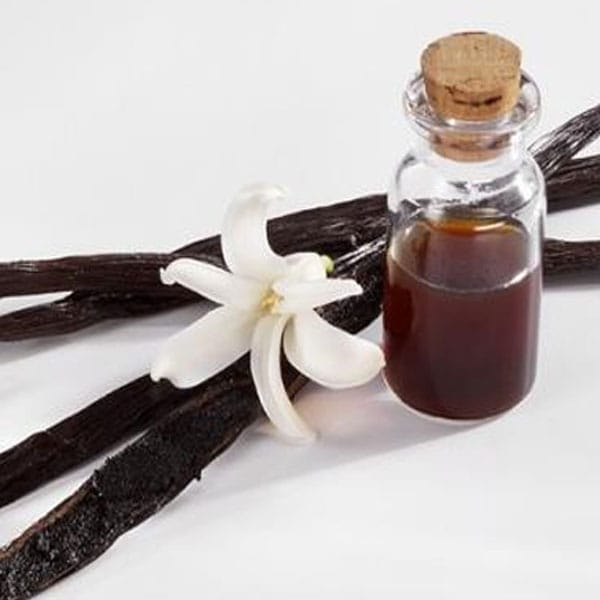
Growing natural vanilla is one of the most labor-intensive agricultural processes on the planet. The vanilla orchid only blooms for a single day each year. Because the natural pollinator (the Melipona bee) is mostly confined to Mexico, almost all vanilla grown elsewhere in the world—such as in Madagascar, Indonesia, or Tahiti—must be pollinated by hand. A farmer must carefully open the delicate flower and press the pollen-bearing part against the stigma using a small wooden stick.
After successful pollination, the beans take months to mature on the vine, followed by a painstakingly long curing and sweating process that lasts several more months. This incredible amount of human labor and time is exactly why real vanilla is so expensive. When you combine low agricultural yield, high labor costs, and vulnerability to climate change (such as cyclones in Madagascar), the math simply does not support flavoring the world’s commercial food supply with the real thing.
Real Vanilla vs. Vanillin:
So, if 95% of the market isn’t using natural vanilla beans, what exactly are we eating? The answer lies in a specific organic compound called vanillin.
Natural vanilla extract is incredibly complex. A single cured vanilla bean contains over 250 distinct flavor and aroma compounds. These compounds work together to create the deep, floral, woody, and sometimes rum-like complexity of pure vanilla. However, out of those 250+ compounds, one stands out as the undisputed star of the show: vanillin.
Vanillin is the primary chemical compound responsible for the signature smell and taste we identify as “vanilla.” Because vanillin is a specific molecular structure, scientists figured out a long time ago how to synthesize it without needing a vanilla orchid. To get a deeper understanding of how this compound dominates the food industry, you can read our deep dive into what vanillin is and why it is everywhere.
Your tongue and brain recognize the synthetic vanillin molecule in the exact same way they recognize the naturally occurring vanillin molecule in a bean. The difference is merely the absence of the other 249+ background notes that give natural vanilla its depth.
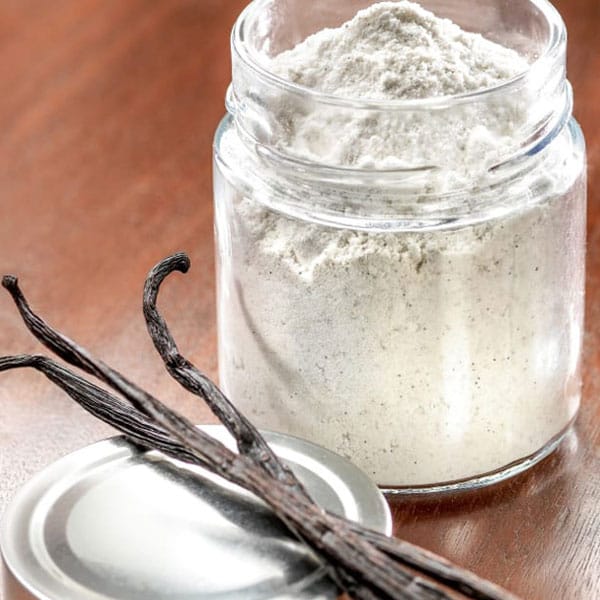
is vanilla flavoring real vanilla
Where Does “Artificial” Vanilla Come From?
If synthetic vanillin doesn’t come from a vanilla orchid, where does it come from?
Over the decades, flavor chemists have sourced vanillin from various raw materials. In the late 19th and early 20th centuries, it was commonly synthesized from eugenol (found in clove oil) and later from lignin, a natural polymer found in wood. For many years, a significant portion of artificial vanilla was actually a byproduct of the paper and wood-pulping industry.
Today, the vast majority of the world’s synthetic vanillin is synthesized from guaiacol, a petrochemical precursor. While the word “petrochemical” might sound unappetizing in a food context, the final synthesized vanillin molecule is chemically identical to the vanillin found in nature. It is heavily purified and entirely safe for consumption.
More recently, due to consumer demand for natural ingredients, scientists have developed ways to create vanillin through fermentation. By feeding specific sugars to genetically modified yeast, the yeast produces vanillin as a byproduct. In many regulatory markets, this fermentation-derived vanillin can legally be labeled as “natural flavor” because it is produced via a biological process, even though it never saw a vanilla bean.
How to Tell if Your Vanilla Flavoring is Real Vanilla
Navigating the baking aisle or reading a packaged food label can be confusing. Because natural vanilla is a premium, high-value ingredient, food manufacturers will absolutely let you know if they are using it. Here is a practical guide to decoding the labels:
1. Pure Vanilla Extract:
If you see the word “pure,” you are in safe territory. By law (particularly under FDA regulations in the United States), “Pure Vanilla Extract” must be made strictly from vanilla beans, water, and a minimum of 35% alcohol. It cannot contain synthetic vanillin. If you want to know more about where the finest beans for these extracts are sourced, explore our comprehensive record on vanilla origins.
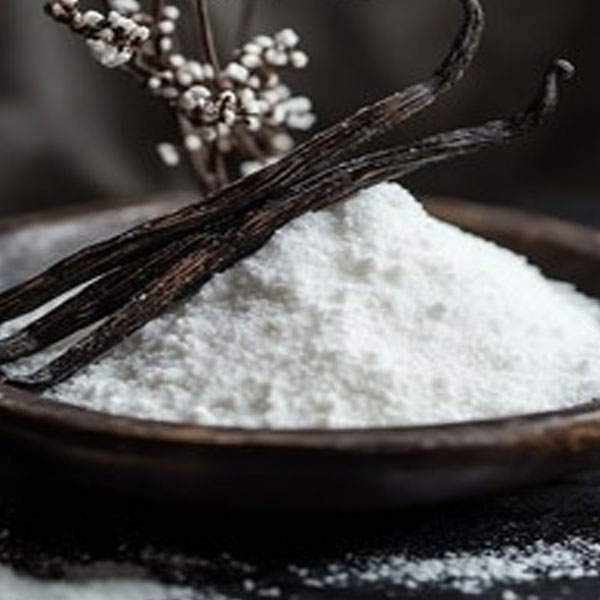
is vanilla flavoring real vanilla
2. Vanilla Flavor:
This usually implies a natural product, but it might not meet the strict alcohol requirements of an “extract.” It may be made with a glycerin or propylene glycol base. However, if it says “Natural Vanilla Flavor,” the primary flavor is usually derived from real beans.
3. Vanilla Essence or Imitation Vanilla:
This is your indicator of synthetic vanillin. It is made by dissolving artificial vanillin powder in water and a little alcohol, often with added caramel coloring to make it look like real extract.
4. “Natural Flavors” on an Ingredient List:
If you buy a box of vanilla wafers and the ingredients list simply says “Natural Flavors,” it is highly likely that the manufacturer is using fermentation-derived vanillin or a blend of botanical extracts that mimic vanilla. If they were using expensive, real vanilla beans, they would proudly list “Vanilla Extract” to justify a higher price point.
When Does Using Real Vanilla Actually Matter?
Understanding that most vanilla is synthetic shouldn’t ruin your enjoyment of food, but it should change how you shop for your own kitchen.
If you are baking cookies, cakes, or brownies, reaching for the cheap imitation vanilla is often the smartest choice. Why? Because the 250+ complex, delicate flavor compounds in pure vanilla extract are highly volatile. When you expose them to the 350°F (175°C) heat of an oven, most of those beautiful, expensive nuances evaporate. In blind taste tests of baked goods, even professional pastry chefs often cannot tell the difference between pure extract and imitation vanillin.
However, if you are making something where the vanilla is not cooked—like homemade ice cream, whipped cream, pastry cream, or icing—pure vanilla extract is absolutely worth the investment. Without the destructive heat of the oven, the complex, floral, and woody notes of the real bean shine through brightly, elevating your dessert from good to extraordinary.
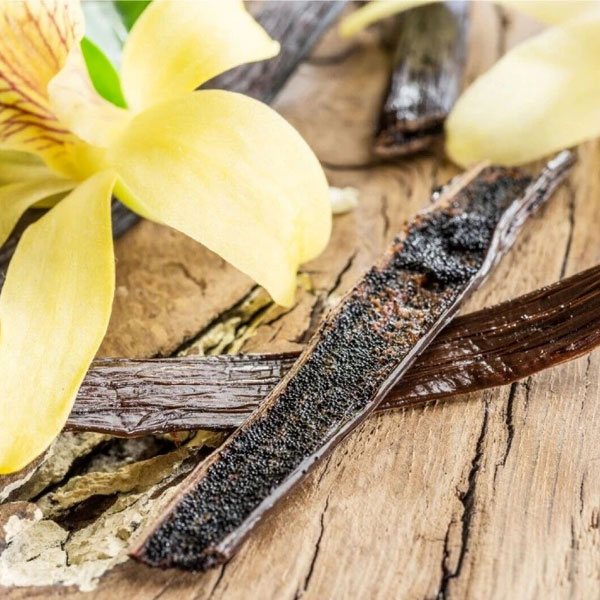
is vanilla flavoring real vanilla
A Democratized Flavor, Not a Deception
At the end of the day, discovering that your vanilla yogurt or store-bought birthday cake is flavored with synthetic vanillin shouldn’t be a source of outrage. It is simply a triumph of food science solving an insurmountable agricultural math problem.
If we insisted on using only the 7,433 tons of real vanilla available globally, the flavor of vanilla would revert to what it was in the 18th century: a rare, exorbitant luxury reserved exclusively for the ultra-wealthy. Artificial vanillin democratized the flavor, making the comforting taste of vanilla accessible to everyone, everywhere, every day.
Real vanilla remains a beautiful, agricultural luxury worth paying for when the recipe demands it. But for everything else, synthetic vanillin is stepping in to do a job that nature simply doesn’t have the capacity to finish.
Records mentioned in this article
Frequently Asked Questions
No. The synthetic vanillin used in imitation vanilla extract and commercial food production is recognized as safe by global food safety authorities like the FDA and EFSA. It is heavily purified and has been used safely in the food supply for over a century.
This is a popular internet myth that refuses to die. Castoreum, a substance secreted by beavers, does have a vanilla-like scent and was historically used in some perfumes and food flavorings. However, harvesting it is incredibly difficult and expensive. Today, castoreum is almost never used in food production, and certainly not in the mass-market imitation vanilla you buy at the grocery store.
By legal definition, pure vanilla extract must contain at least 35% alcohol. The alcohol is necessary to effectively extract and preserve the hundreds of flavor compounds from the raw vanilla bean. When used in cooking or baking, the alcohol evaporates, leaving only the rich vanilla flavor behind.