For procurement managers, flavor houses, and food manufacturers, navigating the vanilla market 2026 requires a deep understanding of current supply realities and changing quality standards. After years of historic volatility, the global vanilla trade has entered a phase where buyers are prioritizing supply chain security, verifiable quality, and origin diversification over simple transactional purchasing.
Currently, the market is defined by a strict bifurcation in quality. While there is a substantial volume of vanilla biomass available globally, the availability of properly cured, high-vanillin content beans remains highly specific to certain regions and established farming cooperatives. Buyers stepping into the market today must look beyond gross tonnage and evaluate the technical specifications of their sourcing contracts.
The Reality of Global Supply in 2026
Madagascar continues to anchor the global vanilla trade, maintaining its position as the dominant supplier of the Vanilla planifolia species. However, the current landscape requires buyers to be highly discerning. In recent harvest cycles leading into 2026, the industry has observed the consequences of rushed curing processes.

vanilla market 2026
To capitalize on cash flow, some sectors of the market have resorted to quick-curing methods or premature vacuum packing. This has resulted in batches with higher moisture content and lower overall vanillin yields. For industrial buyers focused on extraction, these beans represent a lower ROI. Consequently, experienced sourcers are currently enforcing stricter quality assurance protocols, demanding independent laboratory analysis of vanillin content and moisture levels before finalizing shipments.
Simultaneously, alternative origins have solidified their market presence. Uganda has successfully transitioned from a minor alternative to a reliable secondary source, offering beans with excellent vanillin profiles that rival traditional Bourbon vanilla. Indonesia and Papua New Guinea continue to serve specific niches, particularly for buyers seeking Vanilla tahitensis or beans with distinct smoky and woody flavor profiles suited for complex industrial blending.
Understanding Current Valuations and Pricing Structures
The pricing environment in 2026 reflects a mature market that has absorbed the lessons of past crises. Prices are currently stabilizing based on strict quality grading rather than pure market speculation. Gourmet grade (black, pliable, visually pristine) and extraction grade (drier, higher vanillin concentration, visual imperfections accepted) are seeing highly distinct pricing tiers.
To understand why the market is behaving this way today, procurement teams must analyze the underlying fundamentals. You can explore a detailed breakdown of what drives vanilla prices to see how factors like local government regulations, climate anomalies, and labor costs are currently interacting.
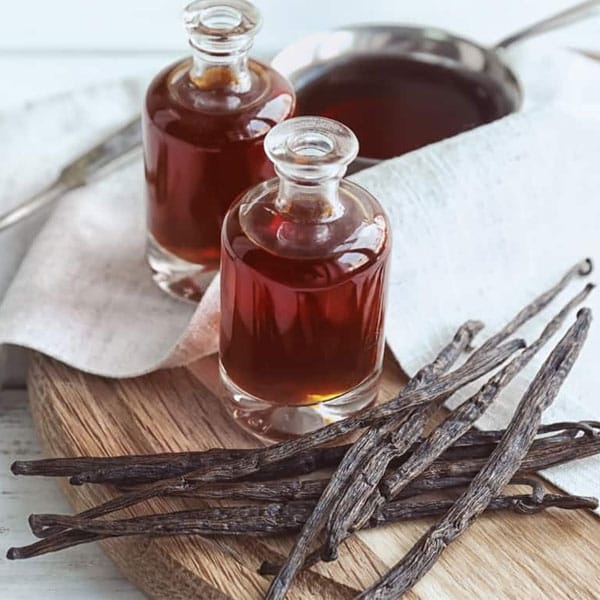
vanilla market 2026
Furthermore, current valuations do not exist in a vacuum. Reviewing the vanilla price history reveals how past boom-and-bust cycles have forced today’s major buyers to abandon spot-market gambling in favor of long-term sustainability contracts.
For real-time market data, specific grade valuations, and up-to-date sourcing figures, buyers should continually monitor our dedicated [vanilla price] index.
Natural Extraction vs. Synthetic Alternatives
On the demand side, 2026 is witnessing a pragmatic approach from global food and beverage brands. The “clean label” movement, which strictly demands pure vanilla extract, remains a powerful force in premium retail, dairy, and artisanal sectors. Consumers continue to check ingredient lists, and “natural vanilla flavor” holds significant marketing equity.
However, compounding global inflation and manufacturing costs have forced mid-tier commercial bakeries and confectioners to make calculated decisions. While there is no mass exodus from natural vanilla, there is a clear trend of blending natural extracts with advanced bio-synthesized vanillin to maintain flavor profiles while controlling cost margins.
Therefore, demand for extraction-grade beans remains robust, but buyers are highly sensitive to the yield-per-kilo. Extractors are strictly calculating their purchasing based on the guaranteed percentage of natural vanillin inside the bean, penalizing suppliers who offer high-moisture beans that dilute the extraction process.
Strategic Sourcing and Risk Mitigation
For commercial buyers operating in the current market, sourcing strategy has fundamentally shifted from reactive purchasing to proactive supply chain management.
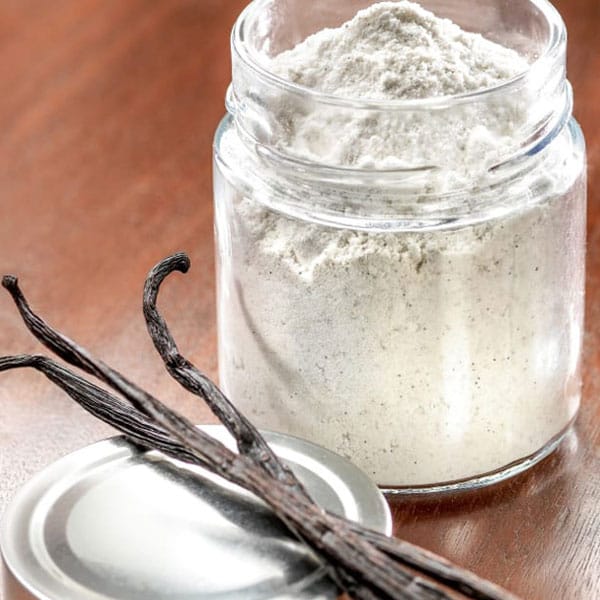
vanilla market 2026
Direct Origin Engagement
Relying solely on secondary brokers is becoming a liability. The standard practice in 2026 involves direct engagement with origin exporters and farmer cooperatives. This shortens the supply chain, ensures better traceability (a critical requirement for modern ESG reporting), and allows buyers to have a direct say in the curing and sorting parameters.
Moisture Content and Vacuum Packaging
A critical technical focus for buyers today is moisture management. The industry is actively pushing back against the practice of storing semi-cured beans in vacuum-sealed bags to artificially retain water weight. Buyers are currently stipulating strict moisture maximums (typically around 25-30% for gourmet and much lower for extraction grades) to prevent mold development during transit and to ensure they are paying for flavor, not water.
Diversification of Contracts
No major flavor house is relying on a single geographic region in 2026. While Madagascar remains the core component of most blends, securing supplemental contracts in East Africa or Southeast Asia is the current standard operating procedure for risk mitigation against localized weather events or political shifts.
The vanilla market in 2026 rewards the educated buyer. Availability is not the primary challenge; rather, the challenge lies in securing authentic, properly cured, high-yield vanilla at a fair market value. By insisting on transparent quality metrics, understanding regional supply nuances, and utilizing historical context to inform current negotiations, B2B buyers can secure stable and profitable vanilla supply lines for their manufacturing needs.
Records mentioned in this article
Frequently Asked Questions
The disparity stems primarily from the curing and preparation stages rather than the farming itself. In 2026, the market contains a mix of traditionally cured beans (which take months of sun-drying and sweating to develop complex flavors) and quick-cured beans rushed to market for immediate cash flow. Buyers must test for vanillin yield to distinguish true quality.
No. Madagascar still produces the vast majority of the world’s vanilla supply and sets the global benchmark for the classic “Bourbon” flavor profile. However, commercial buyers are actively purchasing from countries like Uganda and Indonesia to diversify their supply chains and reduce the risk of relying on a single origin.
For industrial extraction, the physical appearance of the bean is irrelevant. The two most critical metrics are the exact percentage of natural vanillin content (yield) and the moisture level. High moisture means the buyer is paying for water weight and risks mold, while low vanillin content directly increases the cost of producing the final pure vanilla extract.