Behind every premium vanilla bean used by top-tier chefs, extract manufacturers, and flavor houses lies one of the most labor-intensive agricultural supply chains in the world. As the second most expensive spice on the market, vanilla leaves no room for error. When buyers source this commodity, they expect absolute consistency in moisture, aroma, length, and visual appeal. Achieving this standard relies entirely on a meticulous vanilla sorting grading process before the shipments ever leave their country of origin.
But before a single pod can be measured or classified, it must undergo a profound physical and chemical transformation. You cannot grade a raw vanilla bean. Understanding the journey from the orchid vine to the export box is essential for sourcing professionals who need to verify the quality of their imports. If you want to understand the foundational roots of this spice, you can explore the rich history and geographical footprint of vanilla origin.
The Four-Step Curing Process
When vanilla pods are harvested, they are entirely green, odorless, and lack the characteristic sweet aroma we associate with the spice. The complex flavor profile—driven by vanillin and hundreds of other organic compounds—must be manually unlocked. Before any sorting for export can begin, the beans go through a rigorous curing cycle that dictates their final market value.
vanilla sorting grading process
This process consists of four distinct phases:
Killing: The vegetative growth of the green pod must be stopped immediately to initiate enzymatic reactions. In places like Madagascar, this is typically done by submerging the raw beans in hot water (around 60–70°C) for a few minutes.
Sweating: After the hot water bath, the beans are rapidly wrapped in heavy wool blankets and stored in dark wooden boxes. For several days, the pods “sweat,” maintaining high heat and humidity. This is the crucial stage where enzymes begin converting natural glucovanillin into the aromatic vanillin, and the pods take on their dark brown color.
Slow-Drying: The pods are then alternately laid out in the sun during the morning and moved to shaded, well-ventilated racks in the afternoon. This step can take weeks. The goal is to carefully reduce the moisture content without evaporating the precious essential oils.
Conditioning: The final stage requires patience. The dried beans are placed in closed wooden boxes lined with wax paper for a period of one to several months. During conditioning, the flavor profile matures, deepens, and stabilizes.
Only after this grueling metamorphosis is complete can the actual classification begin.
The Mechanics of the Vanilla Sorting Grading Process
Once the conditioning phase finishes, the sorting room floors become a hive of focused activity. The vanilla sorting grading process is not automated; it is done entirely by hand and eye by highly skilled workers, usually women, whose sensory experience cannot be replicated by machinery.
Workers sit with massive piles of cured vanilla, inspecting each individual pod. They evaluate three primary metrics: length, moisture content, and physical appearance.
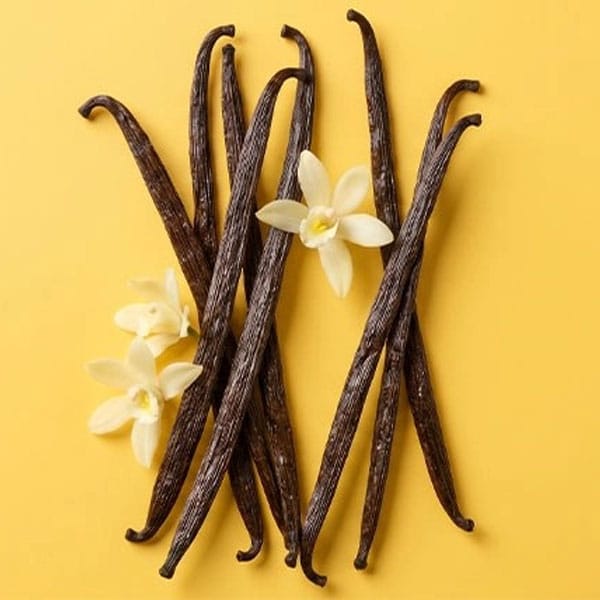
Premium markets demand long, visually flawless beans. Sorters use a measuring board or their highly calibrated hand spans to separate pods by length, usually grouping them in one-centimeter increments. Beans over 15 centimeters generally command premium prices, while shorter beans are filtered down the hierarchy.
vanilla sorting grading process
Moisture is judged by feel. A premium Grade A bean (often called “gourmet”) must be plump, flexible, and have a moisture content between 25% and 30%. If you can wrap the pod around your finger without it breaking, it has excellent moisture. Drier beans, which are brittle and have a moisture content around 15% to 20%, are separated for different commercial uses. For a comprehensive breakdown of these specific commercial classifications, you can review our detailed guide on vanilla grading.
What Happens to the Imperfect Pods?
Nature is unpredictable, and not every vanilla pod survives the growing and curing process intact. During curing and handling, some pods split open naturally, break in half, or suffer aesthetic damage.
In the vanilla trade, these broken or visually imperfect pods are officially known as cuts. Because they lack the pristine, long, unblemished look required by the retail and gourmet culinary markets, cuts receive a significantly lower grade.
However, a lower grade does not necessarily mean a loss of flavor. Cuts are highly sought after by commercial extract manufacturers. Since the beans will be chopped and submerged in alcohol to create vanilla extract anyway, the visual appearance of the pod is entirely irrelevant to the manufacturer. Buying cuts allows commercial buyers to secure high-quality vanillin yields at a much more cost-effective price point compared to whole, gourmet beans.
Patience in Export Preparation
From a B2B buying perspective, understanding the timeline of vanilla production is critical for supply chain planning. The sorting and grading phase alone can take several weeks for a large batch, but this is just the final hurdle.
When buyers inquire about price fluctuations or supply shortages, it is vital to look at the macro timeline. The journey to the export box takes years. If you want to understand why supply cannot be rushed to meet sudden spikes in demand, look into how long does it take to grow a vanilla pod . Because the entire timeline—from planting the orchid to harvesting, curing, sorting, and grading—is so extensive, any disruption in the weather or local labor force creates massive ripples in export availability.
vanilla sorting grading process
Final Bundling and Export Preparation
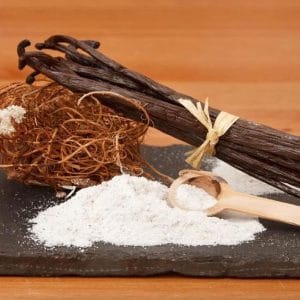
Once the vanilla sorting grading process is complete, the beans are bundled. Workers take pods of identical length, grade, and moisture profile and tie them tightly using natural raffia threads, creating uniform bundles usually weighing between 150 to 250 grams.
These bundles are then packed into wax-paper-lined tin or cardboard boxes. The tight packaging helps maintain the carefully calibrated moisture levels during long sea or air freights. Upon arrival at the buyer’s warehouse, a well-sorted, properly graded box of vanilla will open with a uniform, intoxicating aroma, proving that the months of hard work at the origin were executed flawlessly.
Records mentioned in this article
Frequently Asked Questions
Length is a direct indicator of the pod’s maturity and vanillin yield. Longer pods generally contain more caviar (the tiny black seeds inside) and a higher overall volume of essential oils. Consequently, the food service and retail industries pay a premium for beans measuring 15cm and above.
Not at all. “Cuts” simply refer to broken, split, or aesthetically imperfect pods. They are graded lower because they cannot be sold as premium whole beans in glass vials at retail stores. However, their flavor and aroma are often just as potent, making them the most economical and popular choice for industrial vanilla extract production.
Conditioning allows the flavor compounds in the vanilla to stabilize and develop their full depth. If beans are sorted and exported before proper conditioning, they risk developing mold during transit due to uneven moisture, or they may arrive lacking the complex, rich aroma that high-end buyers require. Proper conditioning ensures the bean’s grade holds true upon delivery.