Walk into any commercial spice warehouse or review wholesale offer sheets from exporters in Madagascar, Uganda, or Indonesia, and you will see an immediate price divide between Grade A and Grade B vanilla beans.
Grade A pods are marketed under names like Gourmet, Prime, or Black, commanding premium prices and packaged in elegant glass tubes. Grade B pods, frequently listed as Extraction, Red, or Industrial, sell at a lower price point and look visibly weathered.
The standard consumer assumption—conditioned by grading systems in meat, produce, or consumer goods—is that Grade A tastes dramatically better, while Grade B represents an inferior, flawed, or sub-standard crop.
In the global vanilla trade, that assumption is flatly incorrect.
Vanilla bean grading is determined almost entirely by moisture retention, pod length, and physical cosmetic appearance. It is not an assessment of flavor depth or vanillin quality. In fact, on a pure weight-for-weight basis, a kilogram of Grade B beans almost always delivers a higher concentration of aromatic dry matter than a kilogram of plump Grade A beans.
Knowing how grading actually works prevents you from paying an unnecessary premium for water weight when producing extracts, while ensuring you secure the right pliable pods when your culinary application requires cleanly scraped seeds.
vanilla grade a vs b
Grading Reflects Aesthetics and Moisture, Not Flavor
To understand vanilla pricing, you have to look at how green vanilla pods are cured and sorted at origin.
After harvest, green vanilla beans undergo a multi-month curing process involving heat killing, sweating, sun-drying, and slow conditioning in wooden boxes. During this phase, enzymatic reactions convert the precursor glucovanillin into pure vanillin and roughly 250 to 300 secondary aromatic compounds, including 4-hydroxybenzaldehyde, vanillic acid, and various volatile esters.
When the curing process is complete, workers grade each pod by hand. They evaluate three main physical criteria:
Moisture Content: How much residual water remains sealed within the bean tissues.
Cosmetic Purity: Whether the bean is uniform in color, unblemished, and free of physical splits along its seams.
Length and Shape: Whether the pod meets minimum length thresholds (typically 14 to 16 centimeters or longer) and remains straight.
Flavor compounds do not evaporate at the same rate as moisture. As a bean dries and loses water weight, its volatile flavor profile does not disappear—it concentrates into the remaining cell structure.
A Grade B bean that has dried down to 20% moisture has significantly more concentrated vanilla solids per gram than a Grade A bean resting at 35% moisture. Grade B is not a lower-tier flavor; it is simply a more dehydrated, cosmetically imperfect pod.
Grade A Vanilla (Gourmet / Prime)
Grade A vanilla represents the visual standard of the spice industry. These are the beans intended for direct culinary handling where the pod itself must be split, manipulated, and scraped by hand.
Technical Profile
Moisture Content: 30% to 35% (occasionally reaching 38% in ultra-fresh lots).
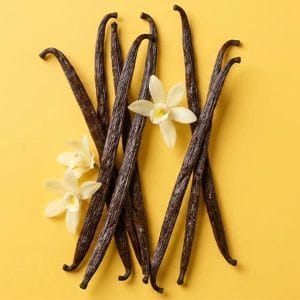
Appearance: Deep chocolate-brown to jet-black, oily, glossy, and completely free of splits, scars, or sun-scorch marks.

vanilla grade a vs b
Texture & Flexibility: Soft, fleshy, and highly supple. You can tie a true Grade A bean in a loose knot around your finger without tearing the skin or breaking the spine.
Typical Length: 15 centimeters (around 6 inches) to 20 centimeters.
What You Are Paying For
The premium cost of Grade A reflects two distinct elements: meticulous curing labor and residual water weight.
Curing beans to retain 30% to 35% moisture without rotting requires daily manual labor. Workers must continuously rotate pods between morning sun blankets and afternoon sweat boxes, monitoring individual bean flexibility by hand. If removed from the sun too early, the pod molds; if left out too long, it drops below the Grade A moisture threshold.
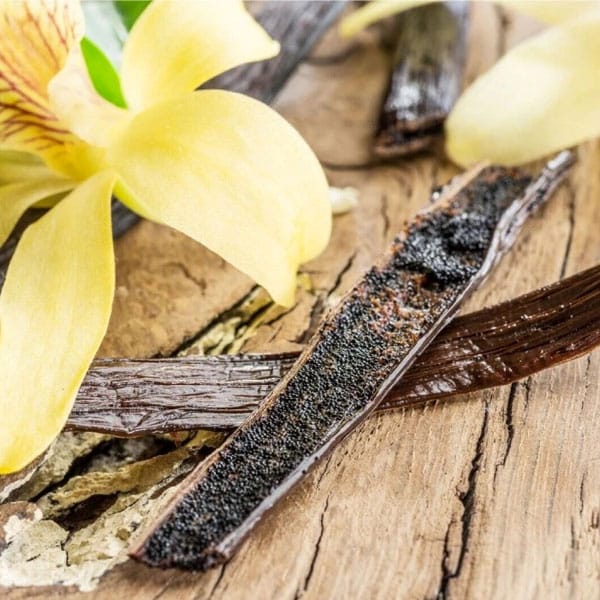
When you purchase Grade A beans, you are paying for the physical ease of scraping. The high moisture level keeps the inner seed cluster—often called the “caviar”—suspended in a soft, oily, resinous paste. When you run a paring knife down the slit pod, the paste slides out cleanly in a single stroke, dispersing evenly into custards, ice cream bases, frosting, and pastry creams.
Grade B Vanilla (Extraction / Red)
Grade B vanilla is the undisputed workhorse of the global flavoring industry. It includes pods that cured down to lower moisture levels, beans with reddish-brown striping from extended sun exposure, split pods, or beans that fell slightly short of length specifications.
Technical Profile
Moisture Content: 18% to 24%.
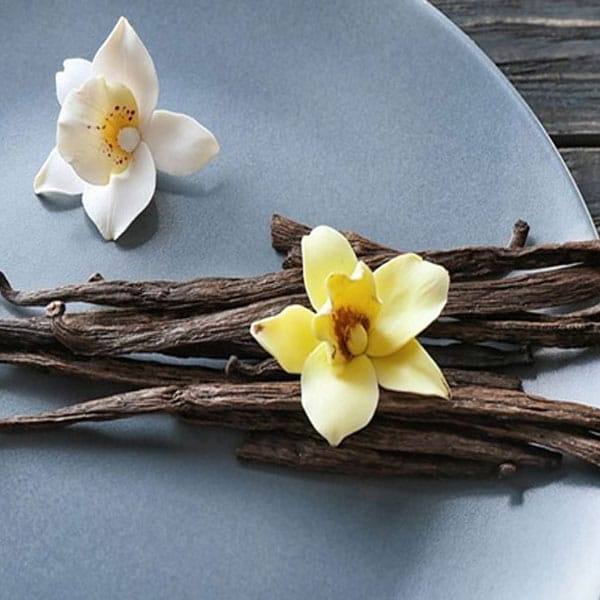
Appearance: Drier, narrower, and wrinkled, with visible reddish-brown casts (often traded internationally under the label “Madagascar Red Splits”).
Texture & Flexibility: Stiff and leathery. If bent sharply at a 90-degree angle, a Grade B bean will resist, crease, or crack rather than flex freely.
Typical Length: Highly variable, commonly ranging between 10 and 15 centimeters.
vanilla grade a vs b
Why Commercial Extractors Exclusively Buy Grade B
Almost all pure commercial vanilla extract is manufactured from Grade B beans. Whether produced by multinational flavor houses or small-batch craft extractors, Grade B is the deliberate technical choice for three distinct reasons:
Extraction Mechanics and Alcohol Ratios: Commercial pure vanilla extract is governed by strict regulatory standards. Under United States FDA regulations (21 CFR 169.175), pure vanilla extract must contain a minimum of 35% alcohol by volume and 13.35 ounces of vanilla beans per gallon of solvent (single-fold standard). If you submerge wet Grade A beans (35% moisture) into that solvent, the water inside the beans leaches out and dilutes the alcohol percentage below the legal threshold. Drier Grade B beans act like a sponge, drawing the ethanol-water solution into their cell walls and driving efficient solvent extraction.
Higher Flavor Yield Per Dollar: Because Grade B beans contain far less water weight, you get significantly more actual vanilla pods per pound. More pods per pound translates directly to a higher load of vanillin per gallon of extract.
No Waste on Unused Aesthetics: Extract production involves slicing, dicing, or pulverizing the pods before submerging them in alcohol-water tanks. Paying for an unblemished, glossy black skin that will be mechanically chopped and discarded makes zero economic sense.
For a deeper look into the supply chain and regional cultivars behind these commercial lots, explore our vanilla origin and global sourcing guide.
Comparing Grade A and Grade B Side-by-Side
Understanding how these physical properties translate into production and financial metrics helps clarify where your budget is best spent:
Moisture Content and Weight
Grade A sits high at 30% to 35% moisture, meaning roughly one-third of the gross weight is pure water. Grade B sits low at 18% to 24% moisture, meaning you purchase significantly more plant solids per unit of weight.
Outer Appearance and Color
Grade A is uniform, dark blackish-brown, plump, and lustrous. Grade B exhibits a reddish-brown hue, narrower profiles, and visible wrinkling, occasionally featuring natural split tips.
Handling and Seed Scraping
Grade A slices open effortlessly, allowing the interior caviar to be scraped cleanly with minimal pod resistance. Grade B is tough, leathery, and difficult to scrape cleanly; the interior caviar is firm and adheres tightly to the inner pod walls.
Optimum Use Case
Grade A is engineered for applications where visible seeds and instant seed dispersion are paramount, such as high-end baking, pastry work, custards, and retail presentation. Grade B is engineered for liquid infusions, commercial extracts, craft brewing, distilling, syrup manufacturing, and dry spice grinding.
vanilla grade a vs b
The Cost of Water vs. Dry Matter
To understand the real financial difference between grades, you have to calculate the dry-mass cost rather than looking at price-per-pod.
Vanilla remains one of the world’s most labor-intensive agricultural crops, requiring manual hand-pollination of every single orchid blossom. The complex journey from flower to finished spice is detailed in our guide on why natural vanilla carries such a premium price.
Because base raw material costs are high, moisture manipulation has a direct financial impact:
In 1 kilogram of Grade A beans at 35% moisture, you are purchasing 650 grams of dry vanilla matter and 350 grams of water.
In 1 kilogram of Grade B beans at 20% moisture, you are purchasing 800 grams of dry vanilla matter and 200 grams of water.
Choosing Grade B gives you 150 grams more pure vanilla plant material per kilogram. If you intend to submerge those beans into liquid anyway, purchasing Grade A means paying high market prices for agricultural water.
To understand how global shipping weights, storage risks, and moisture baselines dictate wholesale contracts, review our technical breakdown on vanilla moisture levels and how water weight impacts pricing.
Matching Grade to Production
Choosing between Grade A and Grade B comes down to a simple assessment of how you process the bean:
Buy Grade A When:
Your recipe requires visible seeds: Pastry applications like crème brûlée, panna cotta, and ice cream rely on the visual appeal of real vanilla seeds. Scraping a supple Grade A pod takes seconds and yields clean caviar without fragments of tough outer skin.
You are steeping whole pods briefly: If you are simmering whole pods in warm milk or cream for 20 to 30 minutes, Grade A releases its volatile surface oils and seed aromatics rapidly during short contact times.
You are packaging whole beans for retail: If you sell whole vanilla pods directly to consumers in tubes or jars, the plump, glossy appearance of Grade A is necessary to meet customer expectations.
Buy Grade B When:
You are producing vanilla extract: Grade B delivers faster ethanol absorption, higher vanillin yields per batch, and prevents alcohol dilution in your extraction tanks.
You are brewing beer, infusing spirits, or creating syrups: When beans are submerged for weeks or months in liquid bases, the surrounding liquid naturally rehydrates the cell walls and extracts every soluble aroma compound.
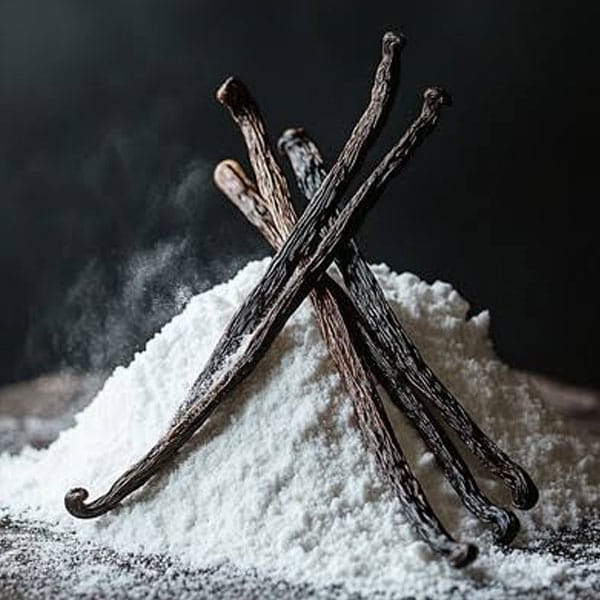
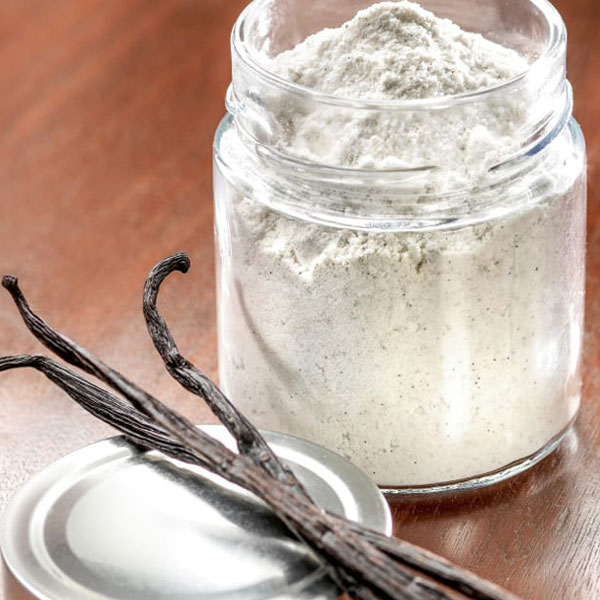
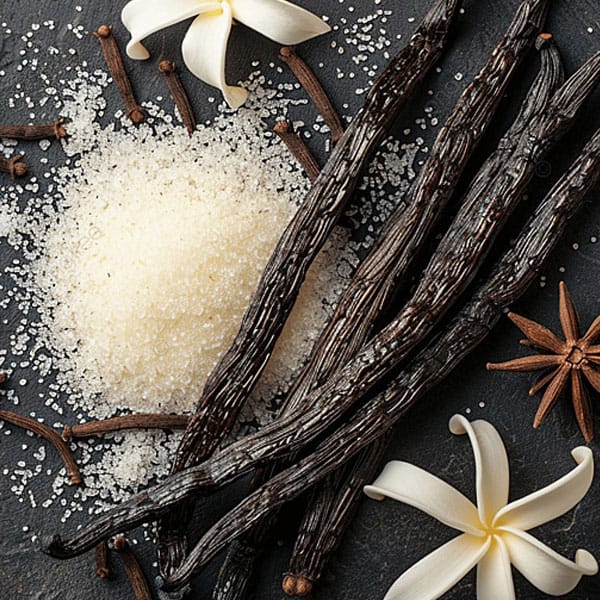
You are making whole vanilla powder or vanilla sugar: Grade B beans can be sliced, fully dried in a dehydrator without case-hardening, and pulverized in a commercial spice mill into a fine, aromatic powder that will not clump.
If you are deciding between sourcing whole raw beans or transitioning to pre-manufactured liquid bases, consult our operational comparison on choosing between whole vanilla beans, pure extract, or vanilla paste.
vanilla grade a vs b
Quality Pitfalls to Watch For
Regardless of the grade you source, always inspect incoming shipments for specific quality indicators:
The Over-Moist Grade A Danger: Some suppliers artificially increase bean moisture beyond 38% right before packaging to inflate shipment weight. Excessively damp beans packed in airtight vacuum seals will develop white, grey, or yellow mold (Aspergillus species) within weeks. High-grade beans must be supple, not soggy.
Fossilized Grade B Beans: Grade B should be dry and leathery, but it should still bend slightly without shattering into dry splinters. If beans are rock-hard, brittle, and snap like dry twigs, they have been over-dried or stored for years in unsealed conditions, causing delicate aromatic esters to oxidize and degrade.
Vanillin Frost vs. Mold: High-vanillin beans from both grades occasionally develop white, shimmering, needle-like crystals on their surface. This is known as givre (vanillin frost). It occurs when pure vanillin migrates to the pod surface and crystallizes. Unlike mold—which is dull, flat, powdery, or fuzzy—vanillin crystals sparkle under direct light and melt immediately when touched between warm fingers.
Records mentioned in this article
Frequently Asked Questions
No. Both grades come from the same orchid vines and share the same core chemical compounds. Grade B often delivers a more concentrated flavor per ounce because it contains significantly less water weight, leaving a higher percentage of pure vanillin solids.
Yes, you can make extract with Grade A beans, but it is less cost-effective. Grade A beans cost more per pound and introduce excess internal moisture into your alcohol base, slightly diluting your solvent without providing any flavor advantage over Grade B.
Store whole Grade A pods in an airtight glass container or a sealed food-grade vacuum bag in a cool, dark pantry away from direct sunlight. Never refrigerate or freeze vanilla beans, as fluctuating temperatures pull moisture out of the pod walls and create interior condensation that triggers mold growth.