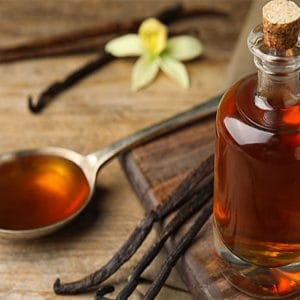
Walk down any baking aisle, and you’ll notice it: a tiny bottle of vanilla extract or a single, precious bean commanding a price that seems almost mythical compared to other spices. It’s the second most expensive spice in the world after saffron, leaving many to wonder, “Why is vanilla so expensive?” The common assumption points to scarcity, but the truth is far more complex and fascinating. The real cost isn’t hidden in rarity; it’s woven into every single hour of manual labor required to bring this incredible flavor from a delicate orchid to your kitchen.
The story of vanilla’s price is a story of human hands. Unlike spices that can be harvested mechanically, vanilla demands a personal, intimate touch at every stage. Forget the idea of vast, automated farms. Instead, picture dedicated farmers working against the clock in a process that is as much an art as it is agriculture. This article will dismantle the scarcity myth and reveal the intricate, labor-intensive journey that justifies the real cost behind every single pod.
A Flower That Can’t Pollinate Itself
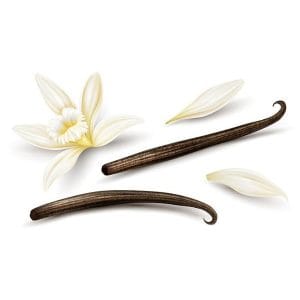
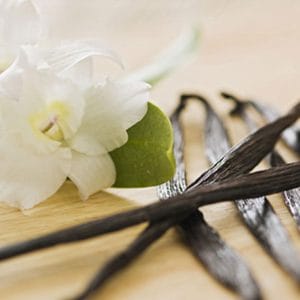
The entire vanilla industry hinges on a botanical peculiarity. The vanilla bean is the fruit of an orchid, Vanilla planifolia, which is native to Mexico. In its natural habitat, this orchid has a dedicated pollinator: a tiny, specific species of bee called the Melipona. When the vanilla vine was transported to other tropical regions around the world, like Madagascar, Indonesia, and Tahiti, its natural pollinator didn’t come with it.
why is vanilla so expensive
Without the Melipona bee, the vanilla orchid is helpless. This is where the human element becomes essential. Today, nearly every single vanilla bean harvested across the globe is a product of manual pollination.
This isn’t just a simple task; it’s a race against time governed by three critical factors:
A 12-Hour Window: The vanilla flower blooms for only one day, and within that short period, there is an even smaller window of opportunity for pollination—typically lasting no more than 12 hours. If a flower is not pollinated during this brief timeframe, it will wilt, die, and never produce a bean.
A One-Day Lifespan: Farmers must inspect their entire plantation daily, flower by flower, to find the newly opened blossoms. There are no second chances; the opportunity is gone by the next morning.
Delicate, Skilled Labor: The pollination itself is a surgical procedure. Farmers use a small, pointed stick (often made of bamboo or wood) to carefully lift the thin membrane (the rostellum) that separates the male anther from the female stigma and press them together. It’s a delicate operation that determines whether a valuable bean will grow. This is where the story of every vanilla flower in the world being pollinated by hand truly begins.
From Pollination to Pod
Once a flower is successfully pollinated, the farmer’s job is far from over. The next stage is a test of patience, as it takes the green bean or “pod” approximately six to nine months to mature on the vine. During this long gestation period, the beans are vulnerable to weather, pests, and theft, especially as prices rise.
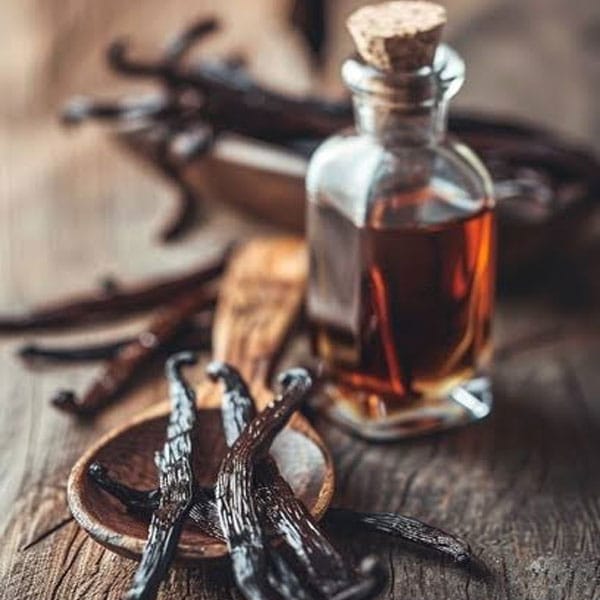
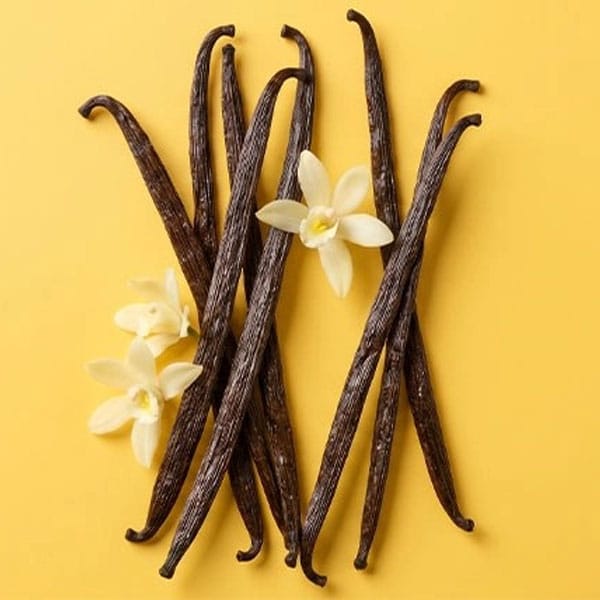
But even after harvest, the bean is still a world away from having the rich, aromatic flavor we know. A freshly picked vanilla bean has no taste or smell. The characteristic “vanillin” compound only develops through a long and arduous curing process that can take several more months. This process, often a closely guarded family secret, typically involves:
why is vanilla so expensive
Killing: The green beans are briefly submerged in hot water or “sun-wilted” to stop the vegetative growth.
Sweating: The beans are wrapped in woolen blankets and placed in airtight containers to “sweat” for 36-48 hours, raising their temperature and initiating the enzymatic reactions that create vanillin.
Drying: Over several weeks, the beans are spread out in the sun to dry for a few hours each day and then brought inside to rest. This slow drying is crucial for developing flavor and preventing spoilage.
Conditioning: Finally, the dried beans are bundled and stored in closed boxes for several months to allow their complex flavors and aromas to fully develop.
This entire journey, from a single flower’s fleeting bloom to a fully cured, fragrant bean, takes over a year of constant, hands-on attention. When you understand this, the price begins to make sense. You aren’t just paying for a spice; you’re paying for a year of a farmer’s dedicated, skilled labor. For a deeper dive into its origins, you can explore [The Complete Guide to Vanilla Origin].
The Price Rollercoaster: A Decade of Volatility
| Year | Average Price per kg (USD) | Key Market Factors |
|---|---|---|
| 2015 | $100 – $150 | Prices beginning to rise after a period of stability. |
| 2016 | $200 – $250 | Poor harvest quality and increased global demand. |
| 2017 | $400 – $500 | Cyclone Enawo devastates Madagascar, causing a massive price spike. |
| 2018 | $550 – $600+ | Peak of the vanilla crisis; record-high prices. |
| 2019 | $450 – $550 | Prices remain high but begin to show signs of stabilizing. |
| 2020 | $250 – $350 | A better harvest begins to bring prices down. |
| 2021 | $200 – $250 | Market correction continues with good supply. |
| 2022 | $150 – $200 | Prices return to more sustainable levels for buyers. |
| 2023 | $120 – $180 | Stable supply, but economic factors influence demand. |
| 2024 (Est.) | $100 – $150 | Prices have stabilized at pre-crisis levels. |
Prices are approximate and can vary based on grade, origin, and supplier. For the most up-to-date information, always check current vanilla prices.
This turbulent history of vanilla prices shows that while labor is the constant, external shocks can redefine the market in an instant.
Understanding the Grades
Finally, the price is heavily influenced by the quality and grading of the vanilla beans. The two primary grades you’ll encounter are:
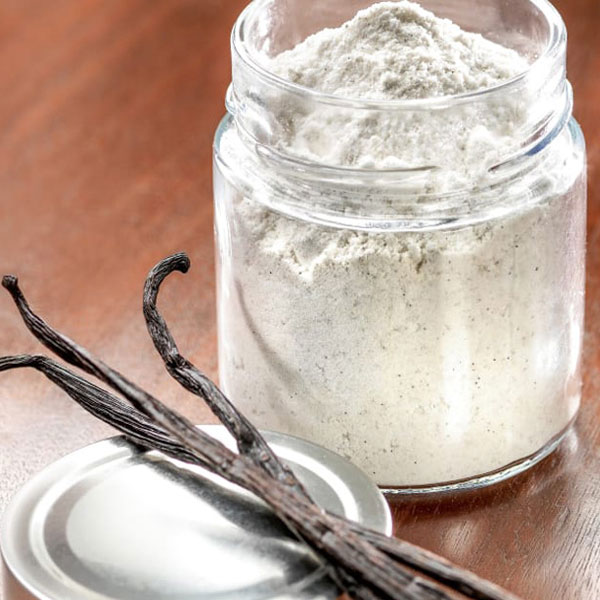
Grade A (Gourmet or Prime): These are the most visually appealing beans. They are plump, oily, and have a high moisture content (around 30-35%). Their high vanillin content delivers a rich, deep, and complex flavor. These are the beans chefs and bakers prefer for custards, ice creams, and recipes where the bean is the star.
why is vanilla so expensive
Grade B (Extract Grade): These beans are less pretty. They have a lower moisture content (around 15-25%) and may have blemishes or be shorter. While they are not ideal for showcasing in a dish, they have a concentrated flavor that makes them perfect for making vanilla extract.
The meticulous sorting and grading process adds another layer of labor to the final cost.
The True Cost of a Pod
So, the next time you hesitate at the price of a vanilla bean, remember what you’re holding. It’s not just a spice. It’s the result of a farmer’s daily vigilance, a race against a 12-hour clock, a delicate, hand-performed pollination, a nine-month wait, and months more of careful curing. It is a year of dedication, condensed into a single, fragrant pod. The cost of vanilla isn’t a simple matter of supply and demand—it’s a reflection of time, skill, and the irreplaceable human touch.
Records mentioned in this article
Frequently Asked Questions
No. Synthetic vanillin is a single flavor compound (often derived from wood pulp or petroleum), whereas natural vanilla extract contains hundreds of flavor compounds that create a far more complex and nuanced aroma and taste.
Madagascar produces the majority of the world’s vanilla and is known for its high-quality Bourbon vanilla, which has a rich, creamy, and sweet flavor profile that has become the industry standard.
Store them in an airtight container in a cool, dark place (not the refrigerator). If the bean starts to dry out, you can briefly rehydrate it in a little warm milk or water before using it.