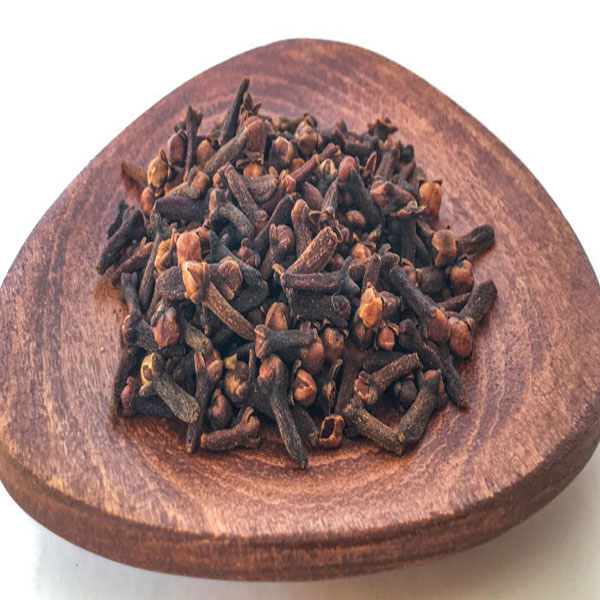
If you have ever bitten into a whole clove hiding in a spoonful of stew, you already know why cooks invented the onion studded with cloves. The trick is simple: you press a few whole cloves into a peeled onion, drop it into the pot, and fish it out when the dish is done. You get the warm, sweet, slightly peppery perfume of cloves in every spoonful, and nobody gets an unpleasant surprise on the tongue.
This method is centuries old, and it is still one of the smartest habits you can bring into your kitchen. Here is how it works, why it works, and how to use it in stews, soups, and sauces.
What Is an Onion Studded with Cloves?
An onion studded with cloves is exactly what it sounds like: a peeled onion, usually left whole or cut in half, with whole cloves pushed into its flesh like tiny nails. French cooks call it an oignon piqué, and it is a quiet hero of the classic kitchen.
Because the cloves are anchored in the onion, they release their flavor slowly into the liquid around them. Because the onion is large and easy to see, you can lift it out in one move at the end, with no hunting through the pot.

onion studded with cloves
Why Cooks Have Used This Trick for Centuries
Whole cloves are powerful, and a single one can dominate a dish if it is left loose. Ground cloves, on the other hand, vanish into the sauce and make it taste muddy and medicinal if you overdo them. The studded onion solves both problems at once.
The onion also does real work of its own. As it simmers, it softens and sweetens the liquid, which rounds off the sharp edge of the clove. The result is a background warmth that makes a dish taste deeper and more finished, without anyone being able to say exactly why.
How to Make It, Step by Step
You need only three things: one medium onion, a handful of whole cloves, and a small knife.
Peel the onion. Remove the papery skin, but leave the root end intact, because it keeps the layers together while the onion simmers.
Poke the cloves in: Press each clove firmly into the onion with the pointed end first, spacing them evenly. Three to six cloves are enough for a medium onion, and if you want to fine-tune the amount, here is how many to use.
Add a bay leaf (optional). For the traditional version, cut a slit in the onion, tuck a bay leaf into it, and pin it in place with one of the cloves.
Add it to the pot: Drop it in at the beginning of cooking, so it has time to give up its flavor.
Remove it before serving. Lift it out with a slotted spoon and discard it, because by then it has given everything it had.
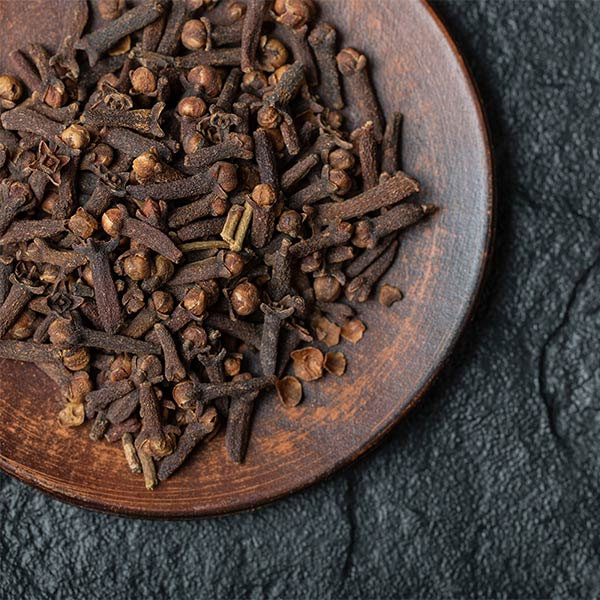
onion studded with cloves
Where to Use It
In béchamel and cream sauces: This is the most famous use. Warm your milk with a studded onion, let it steep for 15 to 20 minutes over low heat, and then build your sauce as usual. The milk comes out gently spiced and beautifully rounded.
In stews and braises: Beef stew, pot roast, and lamb shanks all love the quiet sweetness of cloves. Add the onion with the liquid and let it simmer along with everything else.
In stocks and broths: A studded onion adds depth to chicken stock, bone broth, and vegetable stock, especially when you simmer them for a long time.
In soups: Lentil soup, split pea soup, and a pot of beans all get a pleasant lift from it, and it costs almost nothing.
Common Mistakes to Avoid
Using too many cloves: More is not better here, since cloves turn bitter and numbing when they are overdone.
Leaving it in too long: After an hour or two of simmering, the flavor stops improving, so remove it once the dish is ready.

onion studded with cloves
Forgetting to count: If you stud the onion, you also know exactly how many cloves you added, which is half the point.
Using old cloves. Whole cloves that have lost their aroma will give you very little, so smell them first and replace them if they smell flat.
Cloves have traveled a long way to reach your pot, and few spices have a story as dramatic. If you are curious about their journey from small islands to European kitchens, take a look at the clove record.
The studded onion is proof that the oldest tricks are often the best. It takes a minute to prepare, it costs almost nothing, and it quietly improves everything it touches. Next time you cook a stew or a white sauce, make one, and you will probably keep doing it for good.
Records mentioned in this article


Frequently Asked Questions
You can, but it is usually soft, spent, and full of cloves, so most cooks discard it.
Technically yes, but you lose the main benefit, because ground cloves cannot be removed. Whole cloves in an onion give you control.
Yes, and for a large pot of stock it is a good idea. Just keep the number of cloves in proportion to the volume of liquid.