Master the delicate art of culinary pairing with saffron by discovering how its earthy, floral notes harmonize with select proteins, sweet ingredients, and dairy. This expert guide reveals the science of blooming saffron in water versus milk and highlights the aggressive spices you must avoid to keep your dishes perfectly balanced. Unlock practical tips and professional flavor combinations to confidently elevate your next recipe with the world’s most luxurious spice.
Saffron at a Glance: Key Facts for Buyers & Businesses
| Category | Details |
|---|---|
| Botanical Name | Crocus sativus L. |
| Primary Origins | Iran (90%), Afghanistan, Spain, Kashmir (India), Greece |
| Active Compounds | Crocin (color), Picrocrocin (flavor), Safranal (aroma) |
| Grading Standards | ISO 3632 (Category I–III based on crocin, picrocrocin, safranal levels) |
| Common Grades | Sargol (all-red threads), Negin (premium long threads), Pushal (red + some yellow) |
| Retail Price Range (2026) | 8– 15/gram (premium), 500 – 500– 3,000/kg (bulk, B2B) |
| Key Quality Indicators | Deep red color, minimal yellow threads, strong aroma, moisture <12%, no additives |
| Shelf Life | 2–3 years (airtight, cool, dark storage) |
| Culinary Uses | Paella, risotto, Persian rice, desserts, teas |
| Health Benefits | Antioxidant, mood support, potential anti-inflammatory properties* |
| Buying Tips for Consumers | Buy threads (not powder), check ISO cert, test 2–3 threads in warm water |
| Sourcing Tips for Businesses | Request lab reports (ISO 3632), verify origin docs, sample before bulk orders |
Saffron at a Glance: Key Facts for Buyers & Businesses. Origin, grades, 2026 prices, and purity checks — the essentials for both home and bulk saffron buyers, in one table. Columns: Category, Details. Botanical Name — Crocus sativus L.. Primary Origins — Iran (90%), Afghanistan, Spain, Kashmir (India), Greece. Active Compounds — Crocin (color), Picrocrocin (flavor), Safranal (aroma). Grading Standards — ISO 3632 (Category I–III based on crocin, picrocrocin, safranal levels). Common Grades — Sargol (all-red threads), Negin (premium long threads), Pushal (red + some yellow). Retail Price Range (2026) — 8– 15/gram (premium), 500 – 500– 3,000/kg (bulk, B2B). Key Quality Indicators — Deep red color, minimal yellow threads, strong aroma, moisture <12%, no additives. Shelf Life — 2–3 years (airtight, cool, dark storage).
Saffron is arguably the most intimidating spice in the pantry. You’ve likely invested good money into those delicate crimson threads, and the last thing you want is to overpower their nuanced flavor or, worse, waste them in a dish that doesn’t do them justice.
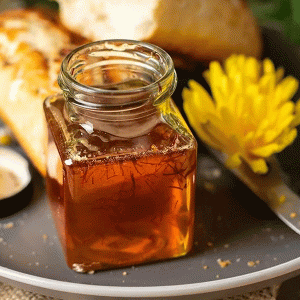
As someone who spends a lot of time analyzing product origins and testing culinary applications, I’ve realized that cooking with saffron isn’t just about making food yellow. It’s about building a flavor bridge. Saffron has a highly complex profile—it’s simultaneously earthy, floral, slightly sweet, and grassy with a hint of honey.
To get the most out of it, you need to know exactly what flavors pair best with saffron, which spices create synergy, and which ingredients will completely drown it out.
Understanding Saffron’s Core Flavor Profile
Before you can pair it, you have to understand it. If you taste a strand of premium Iranian or Spanish saffron, you’ll notice it starts slightly bitter, then blooms into a rich, floral aroma that feels almost metallic or sea-like.
Because its flavor is so delicate, the golden rule of saffron pairing is restraint. You want ingredients that elevate its floral notes without fighting for the spotlight.
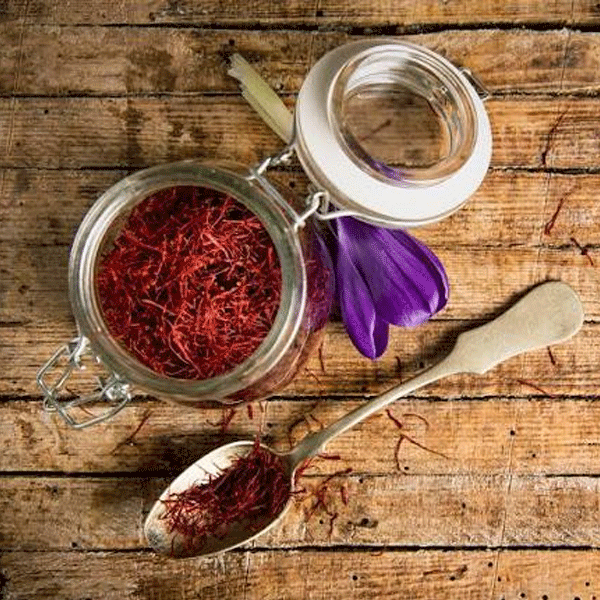
saffron flavor pairings
The Ultimate Savory Pairings
When cooking main courses, stews, or rice dishes, saffron acts as a luxurious background note. Here is how to make those savory dishes sing.
1. Seafood and Shellfish (The Classic Match)
There is a reason authentic Spanish Paella and French Bouillabaisse rely heavily on saffron. The oceanic, slightly briny taste of seafood mirrors the subtle, earthy metallic notes of the spice.
Best matches: Mussels, clams, shrimp, scallops, and lean white fish (like cod or halibut).
Pro Tip: Avoid pairing saffron with highly oily or overly fishy species like mackerel or sardines; their strong oils will completely mask the saffron.
2. Alliums (Garlic, Onion, and Shallots)
You rarely cook a savory saffron dish without an allium base. Slowly sweating onions or shallots in butter or olive oil creates a sweet, mellow foundation that allows saffron’s honey-like aroma to shine.
The Decision: Use white or yellow onions for a subtle background, or shallots for a sweeter, more refined finish. Avoid raw, pungent red onions.
3. Citrus (Lemon and Orange)
Saffron loves acid. A splash of lemon juice or a bit of orange zest cuts through saffron’s earthy weight, brightening the entire dish.
Comparison: Lemon juice is sharp and best for savory saffron seafood or chicken marinades. Orange zest is sweeter and works brilliantly in saffron-infused baked goods or roasted root vegetables.
4. Poultry and Mild Meats
Chicken and veal are mild enough to absorb and showcase saffron’s aroma. Red meats like beef or venison are generally too heavy, though lamb is the historical exception. Lamb and saffron have been paired in Persian and Middle Eastern cuisines for centuries, provided the lamb is slow-cooked with balancing aromatics.
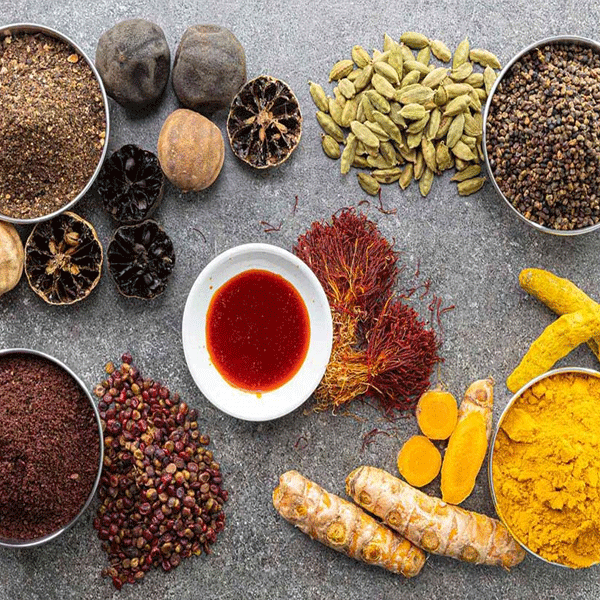
saffron flavor pairings
The Best Sweet & Dessert Pairings
Saffron in desserts is where the magic truly happens. When combined with dairy and sugar, its floral characteristics explode.
1. Cardamom
If saffron is the king of spices, cardamom is its queen. This pairing is the backbone of Indian, Persian, and Swedish sweets. Cardamom’s eucalyptus-like, minty warmth cuts right through the earthy density of saffron.
Best for: Ice creams, rice puddings, and sweet breads.
2. Vanilla and Cream
Dairy acts as a fat carrier, trapping saffron’s volatile oils and distributing them evenly across your palate. High-quality vanilla bean adds a creamy, sweet baseline that makes saffron taste almost like floral caramel.
3. Rose Water and Pistachio
This is the holy trinity of Middle Eastern desserts. The nuttiness of roasted pistachios provides a textural contrast, while a very light splash of rose water enhances the floral side of the saffron.
Saffron Culinary Arts: Master the delicate art of cooking with the world’s most precious spice.
Saffron Flavor Pairing Matrix
| Ingredient Category | Highly Recommended Pairings | Spices to Avoid (Clashes) | Best Cooking Application |
|---|---|---|---|
| Proteins | Chicken, White Fish, Scallops, Lamb | Heavy Beef, Strong Oily Fish, Pork Belly | Marinades, Stews, Paella |
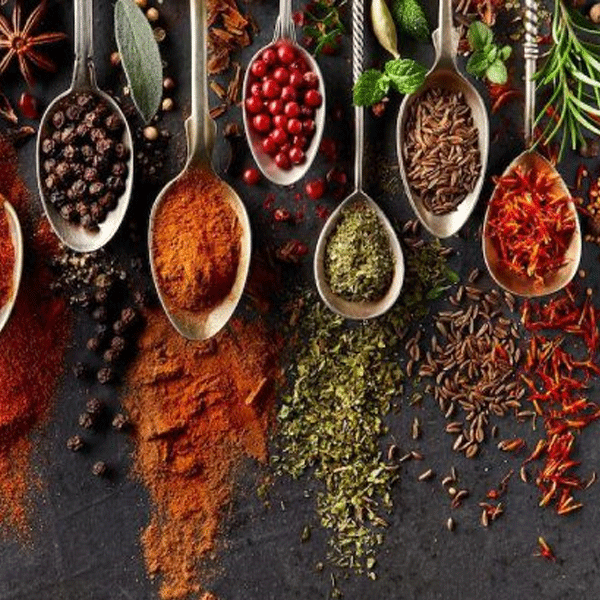
| Herbs & Spices | Cardamom, Cinnamon, Fennel, Coriander, Tarragon | Heavy Cumin, Strong Curry Powders, Smoked Paprika (in excess) | Spice rubs, Rice bases, Baking |
| Fruits & Nuts | Pistachio, Almond, Lemon, Orange, Raisins | Overly tart berries (Raspberry/Cranberry) | Desserts, Pilafs, Ice Creams |
| Liquids & Bases | Heavy Cream, White Wine, Chicken Broth, Butter | Dark Soy Sauce, Heavy Beef Stock, Balsamic Vinegar | Sauces, Risottos, Puddings |
Pairing flavors with saffron shouldn’t feel like a chemistry exam. Start simple. The next time you cook basmati rice, bloom a pinch of ground saffron in a tablespoon of warm water, mix it with a knob of good butter, and fold it into the rice just before serving. Taste it purely. Once you recognize that unique, honey-earth flavor, you’ll instinctively know exactly what your dish needs next.
Records mentioned in this article
Frequently Asked Questions
Restraint. You should use mild, complementary ingredients that elevate saffron’s delicate floral and earthy notes without overpowering them.
Use warm milk or heavy cream when making desserts, baking, or crafting rich sauces, as the fats help extract and bind saffron’s volatile oils for a more intense flavor.
You should avoid aggressive spices like heavy cumin, strong chili powders, and excessive smoked paprika, because they will completely drown out the saffron’s flavor.