Saffron, the world’s most luxurious spice, transforms ordinary dishes into culinary masterpieces through its unique aroma, vibrant color, and earthy flavor. This comprehensive guide explores the art of authentic saffron blooming, global recipes from Persian Tahchin to Spanish Paella, and essential tips for identifying and storing real saffron. Discover the true potential of the red gold and elevate your culinary journey
Saffron is not just a spice; it is an experience. Often referred to as “Red Gold,” it has captivated kings, merchants, and chefs for millennia. A single thread of saffron holds the power to transform a bland pot of rice into a vibrant, aromatic centerpiece, or a simple custard into a luxurious dessert. However, working with the world’s most expensive spice requires knowledge, respect, and technique.
In this comprehensive guide, we will dive deep into the culinary arts of saffron. We will explore how to identify authentic saffron, the precise science and art of extracting its flavor (blooming), and a curated collection of authentic global recipes. Whether you are a professional chef or a passionate home cook, this guide is designed to help you master saffron.
Understanding Saffron: The Anatomy of Red Gold
Before we step into the kitchen, we must understand what we are cooking with. Saffron is derived from the dried stigmas of the Crocus sativus flower. Each flower produces only three stigmas, which must be carefully hand-picked before sunrise to protect them from the sun’s heat. It takes approximately 75,000 flowers to produce just one pound of saffron spice. This extreme labor-intensive process is what dictates its high price.
The Chemistry of Flavor
Saffron’s unique profile is driven by three main chemical compounds:
Crocin: Responsible for the striking, fiery golden-yellow color.
Picrocrocin: Contributes to the slightly bitter, earthy taste.
Safranal: Provides the distinct, intoxicating floral and honey-like aroma.
How to Identify Authentic Saffron
Because of its value, saffron is heavily counterfeited. Corn silk, safflower, and dyed paper are often sold as fake saffron. Here is how to ensure your saffron is authentic:
1. The Cold Water Test: Place a few threads in cold water. Genuine saffron will slowly release a golden-yellow hue, and the threads will remain red. Fake saffron will release dye instantly, turning the water a dark red or orange, and the threads will turn white.
2. The Taste Test: Real saffron smells sweet but tastes slightly bitter and earthy. If it tastes sweet, it has been adulterated with sugar or honey to increase its weight.
3. The Appearance: Look for trumpet-shaped threads with a deep crimson color. Avoid powders unless you trust the supplier implicitly, as powders are the easiest to fake.
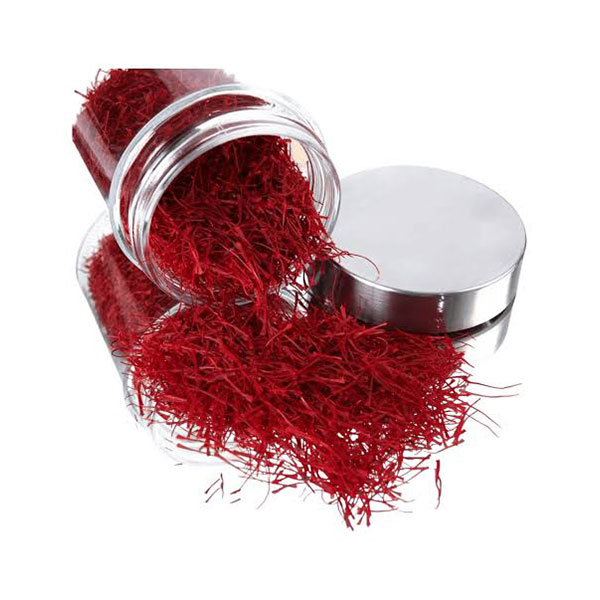
saffron
The Art of Blooming Saffron
You should never toss dry saffron threads directly into a dish. To unlock its full potential, saffron must be “bloomed” or steeped. There are two primary schools of thought on this process.
Method 1: The Traditional Hot Water Steep
This is the most common method used globally.
1. Take a small pinch of saffron threads (about 10-15 threads).
2. Using a mortar and pestle, grind the threads into a fine powder. (Pro tip: add a tiny pinch of coarse sugar to act as an abrasive, helping the threads break down).
3. Transfer the powder to a small glass.
4. Pour 2 to 3 tablespoons of hot (not boiling) water over the powder.
5. Cover and let it steep for 15-20 minutes. The liquid will turn a brilliant, deep gold.
Method 2: The Persian Ice Method
Many Iranian chefs swear by the ice method, arguing that sudden heat shocks the saffron and destroys its delicate aromatic oils.
1. Grind the saffron threads into a powder as described above.
2. Place the powder in a small glass or bowl.
3. Add 2-3 standard ice cubes on top of the powder.
4. Allow the ice to melt at room temperature. As the ice melts, the saffron infuses the water, resulting in a remarkably vibrant color and a profoundly intense aroma.
Saffron in Savory Dishes: Global Masterpieces
Saffron bridges the gap between sweet and savory, but it truly shines when paired with rice, poultry, and seafood. Below are three authentic, world-renowned recipes.
Authentic Persian Tahchin (Saffron Rice Cake with Chicken)
Tahchin is the crown jewel of Persian cuisine—a savory, baked rice cake with a crispy exterior (tahdig) and a soft, pudding-like interior layered with spiced chicken.
Ingredients:
2 cups high-quality Basmati rice
2 large chicken breasts
1 large onion, chopped
1 cup plain full-fat yogurt (Greek yogurt works best)
3 egg yolks
1/2 cup melted unsalted butter
3 tablespoons bloomed saffron liquid (using the ice method)
1/2 teaspoon turmeric
Salt and black pepper to taste
Barberries (Zereshk) and pistachios for garnish
Instructions:
1. Prepare the Chicken: Boil the chicken breasts with the chopped onion, turmeric, salt, and pepper until tender. Shred the chicken into bite-sized pieces and set aside.
2. Parboil the Rice: Wash the rice thoroughly until the water runs clear. Boil in heavily salted water for about 6-8 minutes until the grains are soft on the outside but still firm in the center (al dente). Drain and rinse with cold water.
3. Create the Saffron Yogurt Base: In a large mixing bowl, whisk together the yogurt, egg yolks, melted butter, and bloomed saffron liquid. The mixture should be a vibrant yellow. Fold in half of the parboiled rice and mix gently until every grain is coated.
4. Assemble the Tahchin: Generously butter the bottom and sides of a non-stick baking dish or a deep skillet. Spread the saffron-coated rice evenly across the bottom, pressing down firmly to create a compact layer.
5. Add a layer of the shredded chicken.
6. Top with the remaining plain white rice. Press down firmly once more.
7. Pour a little extra melted butter over the top.
8. Bake: Cover the dish tightly with foil. Bake in a preheated oven at 375°F (190°C) for 60 to 75 minutes, or until the bottom and sides are golden and crispy.
9. Serve: Invert the dish onto a serving platter. Garnish with sautéed barberries and slivered pistachios.
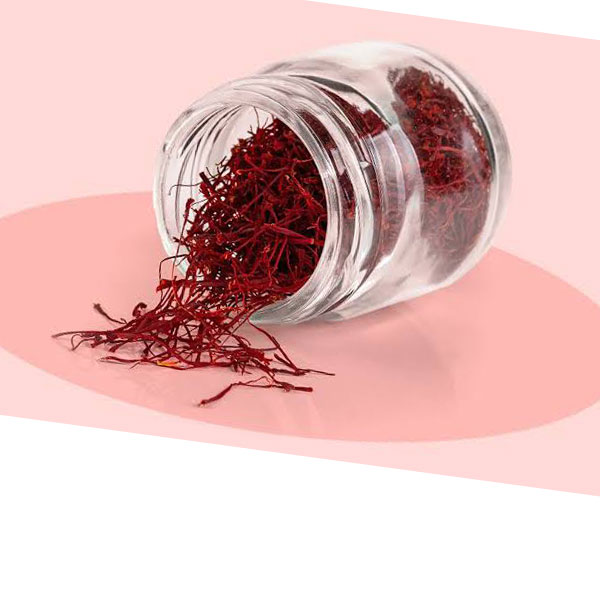
saffron guide
Classic Spanish Seafood Paella
Saffron is the soul of Paella, providing the iconic golden hue to the Bomba rice and complementing the brininess of the seafood.
Ingredients:
2 cups Bomba or Arborio rice
4 cups high-quality chicken or seafood broth
Large pinch of saffron threads (bloomed in 2 tbsp hot water)
1 lb large shrimp, peeled and deveined
1 lb mussels, scrubbed and debearded
1/2 lb calamari rings
1 large onion, finely diced
1 red bell pepper, diced
3 cloves garlic, minced
1/2 cup crushed tomatoes (fresh or canned)
1/2 cup green peas
1/4 cup extra virgin olive oil
1 teaspoon smoked paprika
Lemon wedges for serving
Instructions:
1. Infuse the Broth: Warm the broth in a saucepan and add the bloomed saffron liquid. Keep it simmering on low heat.
2. Sauté the Sofrito: In a traditional paella pan (or a wide, shallow skillet), heat the olive oil over medium heat. Sauté the onions and red bell pepper until soft (about 5 minutes). Add the garlic and cook for 1 more minute.
3. Build the Flavor: Stir in the crushed tomatoes and smoked paprika. Cook until the tomato juices reduce and the mixture thickens.
4. Add the Rice: Add the Bomba rice to the pan, stirring to coat the grains in the tomato mixture and oil. Cook for 2 minutes to toast the rice.
5. Simmer: Pour in the hot saffron-infused broth. Do not stir the rice from this point forward. Shaking the pan gently is acceptable. Let it simmer uncovered for about 15 minutes.
6. Add Seafood: Nestle the shrimp, mussels (hinge side down), and calamari into the rice. Scatter the green peas on top.
7. Create the Socarrat: Continue cooking for another 5-8 minutes until the liquid is absorbed, the seafood is cooked, and the mussels have opened. To achieve the socarrat (the crispy crust on the bottom), turn the heat to high for the last 1-2 minutes, listening for a crackling sound. Watch carefully so it doesn’t burn.
8. Rest and Serve: Remove from heat, cover with a clean kitchen towel, and let it rest for 5 minutes. Serve with lemon wedges.
Risotto alla Milanese
A creamy, luxurious Italian classic where saffron takes center stage, traditionally served alongside Osso Buco.
Ingredients:
1.5 cups Carnaroli or Arborio rice
4-5 cups high-quality beef or chicken stock (kept hot)
1/2 teaspoon saffron threads
1/2 cup dry white wine
1 small yellow onion, very finely minced
3 tablespoons unsalted butter (divided)
2 tablespoons beef marrow (optional but highly traditional)
1/2 cup freshly grated Parmigiano-Reggiano cheese
Salt to taste
Instructions:
1. Prep the Saffron: Toast the saffron threads slightly in a dry pan for a few seconds, then crush them and steep them in a small ladle of the hot stock.
2. The Base: In a heavy-bottomed pot, melt 1 tablespoon of butter and the beef marrow (if using) over medium heat. Add the minced onion and sauté gently until translucent and very soft (do not let it brown).
3. Toast the Rice: Add the rice and stir continuously for 2-3 minutes until the edges of the grains become slightly translucent.
4. Deglaze: Pour in the white wine and stir until the alcohol evaporates and the liquid is absorbed.
5.The Risotto Process: Begin adding the hot stock one ladle at a time, stirring frequently. Wait until the liquid is almost completely absorbed before adding the next ladle.
6. Add Saffron: About halfway through the cooking process (after about 10 minutes), add the saffron-infused stock.
7. Mantecatura (The Finish): Continue adding stock until the rice is creamy but still has a slight bite (al dente)—about 18-20 minutes total. emove the pot from the heat. Vigorously stir in the remaining 2 tablespoons of cold butter and the Parmigiano-Reggiano.
8. Serve: The consistency should be all’onda (flowing like a wave). Serve immediately on warm, flat plates.
Saffron in Desserts and Beverages
Saffron’s floral notes make it a spectacular addition to sweets, pairing beautifully with cardamom, rose water, vanilla, and citrus.
Bastani Sonnati (Traditional Persian Saffron Ice Cream)
This is not your average ice cream. It is a textural marvel featuring frozen chunks of clotted cream, the crunch of pistachios, and the intoxicating aroma of saffron and rose water.
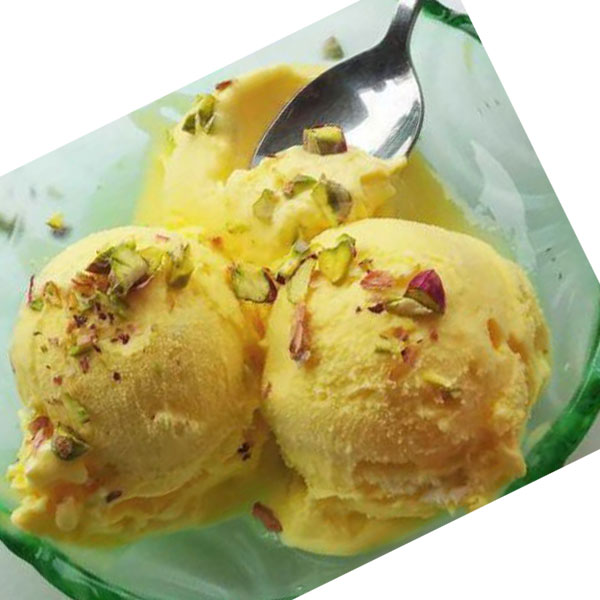
Bastani Sonnati (Traditional Persian Saffron Ice Cream)
Ingredients:
2 cups whole milk
1 cup heavy cream
3/4 cup granulated sugar
4 large egg yolks
1/4 cup rose water
2 tablespoons bloomed saffron liquid (very concentrated)
1/2 teaspoon ground salep (orchid root powder – acts as a stabilizer, or use 1 tbsp cornstarch if unavailable)
1/2 cup chopped raw pistachios
1/2 cup frozen clotted cream chunks (spread clotted cream thin on wax paper, freeze, and shatter into pieces)
Instructions:
1. The Custard Base: In a saucepan, whisk the milk, sugar, and salep over medium heat until the sugar dissolves and the milk is hot (do not boil).
2. Temper the Eggs: In a separate bowl, whisk the egg yolks. Slowly pour a ladle of the hot milk mixture into the eggs while whisking vigorously to temper them. Pour the egg mixture back into the saucepan.
3. Thicken: Cook over low heat, stirring constantly with a wooden spoon, until the custard thickens enough to coat the back of the spoon.
4. Flavoring: Remove from heat and stir in the heavy cream, rose water, and bloomed saffron. Let the mixture chill completely in the refrigerator (preferably overnight).
5. Churn: Churn the chilled custard in an ice cream maker according to the manufacturer’s instructions.
6. Mix-ins: In the last 2 minutes of churning, add the chopped pistachios and frozen clotted cream chunks.
7. Freeze: Transfer to an airtight container and freeze for at least 4 hours before serving.
Golden Saffron Rose Tea
A soothing, antioxidant-rich beverage perfect for digestion or relaxation before bed.
Ingredients:
2 cups filtered water
1 pinch of saffron threads
1 teaspoon dried edible rose petals
1 cardamom pod, gently crushed
Raw honey or rock candy (Nabat) to taste
Instructions:
1. Bring the water to a boil, then remove it from the heat and let it sit for a minute (ideal temperature is around 190°F / 88°C).
2. In a teapot, combine the saffron threads, rose petals, and crushed cardamom pod.
3. Pour the hot water over the botanicals.
4. Cover and steep for 5-7 minutes.
5. Pour into cups and sweeten with honey or traditional Persian rock candy on a stick.
Nutritional Value and Health Benefits of saffron
Beyond its culinary prowess, saffron has been used in traditional medicine for centuries. Modern science is beginning to back up these ancient claims, noting saffron’s high levels of antioxidants.
Here is a quick overview of the nutritional profile and primary health benefits of saffron.
| Health Benefit | Active Compound | Scientific Insight |
|---|---|---|
| Mood Enhancement | Crocin & Safranal | Often dubbed the “sunshine spice,” clinical studies suggest saffron can aid in managing symptoms of mild-to-moderate depression by protecting serotonin levels. |
| Powerful Antioxidant | Crocetin & Kaempferol | Neutralizes harmful free radicals in the body, which are linked to chronic diseases and premature aging. |
| Appetite Regulation | Various Flavonoids | Research indicates that saffron supplementation can help curb snacking habits and promote a feeling of fullness. |
| Eye Health | Crocin | May improve visual function in adults with age-related macular degeneration (AMD) and protect against free radical damage to the eyes. |
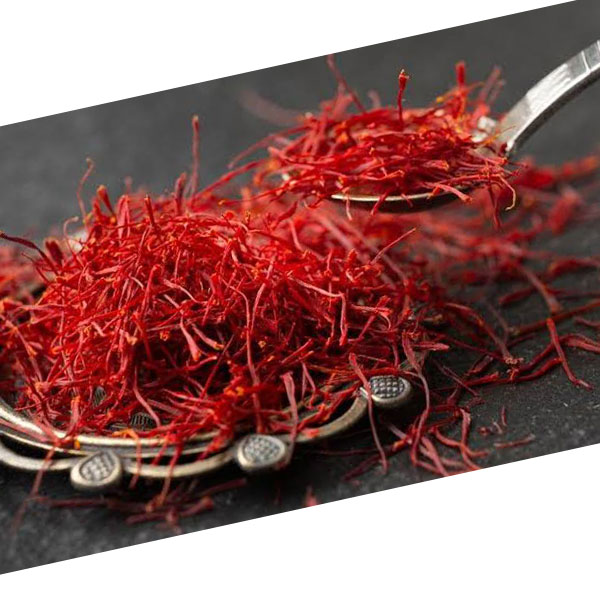
Any specifications about saffron
Saffron Storage and Preservation: Protecting Your Investment
Because saffron is a significant investment, proper storage is paramount to ensure it retains its flavor, color, and aroma for as long as possible. Saffron does not “spoil” in a way that makes it dangerous to consume, but it will lose its potency over time if mishandled.
The Enemies of Saffron:
Light: UV rays break down the chemical compounds in saffron, bleaching its color and destroying its aroma.
Heat: High temperatures cause the volatile oils (like safranal) to evaporate.
Moisture: Humidity can cause saffron threads to mold or clump together.
Oxygen: Prolonged exposure to air causes oxidation, dulling the flavor.
Best Practices for Storage:
1. Use an Airtight Container: Glass jars with tight-fitting lids or specialized metal tins are ideal. Avoid plastic bags, as they are porous and can absorb the saffron’s oils.
2. Keep it Dark: Store the container in a dark cupboard or drawer, well away from windows and direct sunlight. If you must use a clear glass jar, wrap it in aluminum foil.
3. Keep it Cool: A cool, dry pantry is the best location. Keep it away from the stove, oven, or dishwasher, as the fluctuating heat and humidity will ruin the spice.
4. Do Not Refrigerate: While it seems logical to keep things fresh in the fridge, the refrigerator introduces a major problem: condensation. Every time you take the cold jar out into room temperature, condensation forms inside, introducing moisture to the dry threads.
When stored correctly, high-quality saffron threads can maintain peak flavor and aroma for up to two years.
7. Frequently Asked Questions (FAQ)
To further enrich your understanding of saffron culinary arts, here are answers to some of the most common questions chefs and home cooks have.
The Magic of Saffron
Cooking with saffron is an exercise in mindfulness. From the moment you crush the delicate threads in a mortar, to the visual delight of watching the water turn a brilliant gold, to the complex, lingering aroma that fills your kitchen, saffron demands your attention. It elevates simple ingredients—rice, chicken, cream—into dishes fit for royalty.
By understanding how to source authentic saffron, mastering the blooming process, and integrating it into diverse recipes, you unlock a new dimension of the culinary arts. Don’t let your saffron sit in the back of the pantry waiting for a “special occasion.” Make today the occasion.
Frequently Asked Questions
Visually, yes; culinarily, no. Turmeric will provide a similar golden-yellow color to dishes like rice or curries, but the flavor profiles are entirely different. Turmeric is earthy, slightly peppery, and pungent. Saffron is floral, sweet-smelling, and delicate. If a recipe heavily relies on the taste of saffron (like Risotto alla Milanese), there is no true substitute.
A little goes a very long way. A standard "pinch" of saffron is usually between 15 to 20 threads. This is generally enough to flavor and color 1 cup of dry rice (which serves about 2-3 people). Using too much saffron will not make the dish better; in fact, it can impart an overpowering, medicinal, and bitter taste.
The stigma of the crocus flower is red at the top and turns yellow/white at the base (the style). The highest grade of saffron (often called Super Negin or Sargol in Persian terminology) consists only of the crimson-red tips, which hold the highest concentration of flavor and aroma. Saffron that includes the yellow base (like Pushal or Bunch saffron) is still authentic but is considered lower grade because the yellow portion adds dead weight without adding flavor.