If you have ever walked past a Scandinavian bakery, you know the scent: a warm, deeply aromatic, and slightly citrusy fragrance that instantly draws you inside. That irresistible aroma usually belongs to the beloved cardamom bun. But as Scandinavian baked goods gain global popularity, a common debate arises among pastry enthusiasts: are cardamom buns Swedish or Danish?
To settle this debate, we need to look beyond the bakery window and dive into the rich food culture, dough techniques, and historical spice routes of Northern Europe.
The Cardamom Bun is Distinctly Swedish
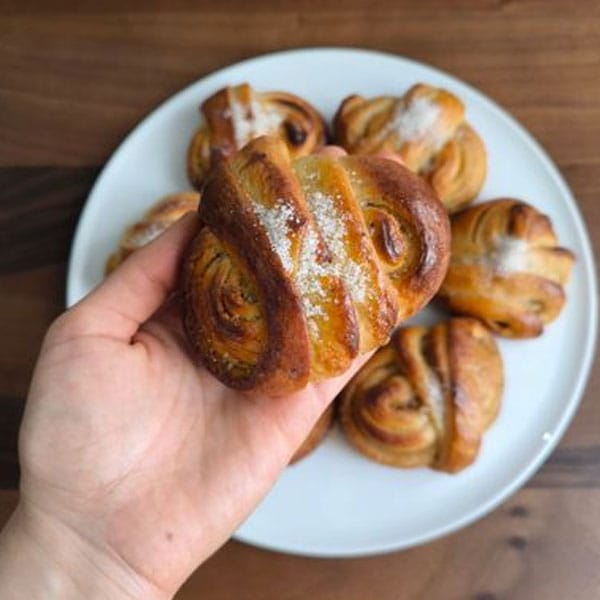
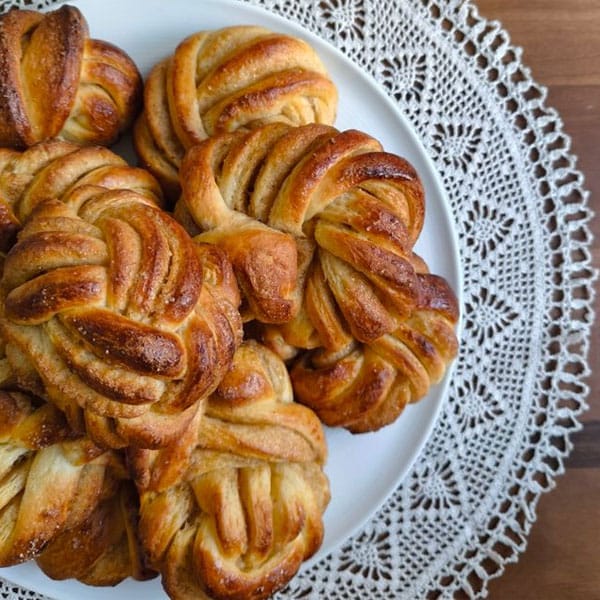
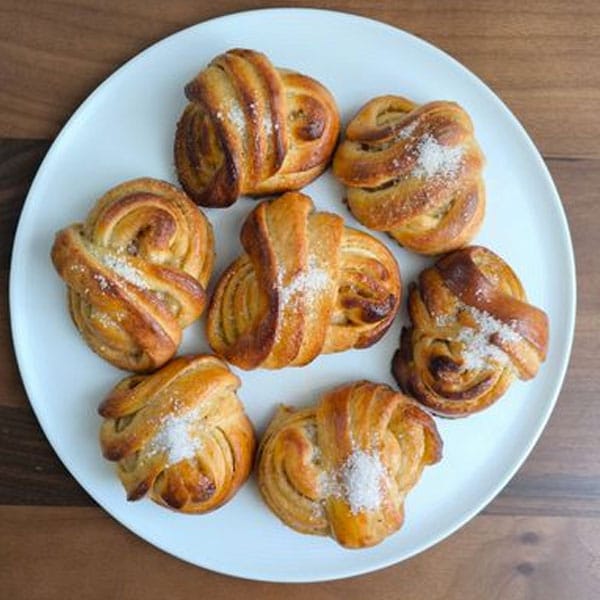
When we talk about the classic, beautifully twisted, knot-shaped bun speckled with coarsely ground black seeds, we are talking about Kardemummabullar. Cardamom buns are authentically Swedish.
In Sweden, baking is not just about sustenance; it is a cultural cornerstone tied to the tradition of Fika—a daily ritual of taking a break with coffee and a sweet treat. While the cinnamon bun (kanelbulle) gets a lot of international fame, many Swedes actually prefer the cardamom bun for its more complex, sophisticated flavor profile.
The Swedish cardamom bun is made from a rich, yeasted, enriched dough (using butter and milk) that is rolled with a buttery, spiced filling, then cut and masterfully twisted into a knot.
are cardamom buns swedish or danish
The Danish Connection: Why the Confusion?
If they are Swedish, why do people frequently wonder if they are Danish? The confusion stems from two main factors:
Danish Pastry Fame: Denmark is globally renowned for its pastries (known locally as Wienerbrød). However, true Danish pastries are made from laminated dough—a time-consuming process of folding butter into the dough to create hundreds of crispy, flaky layers (similar to a croissant). Swedish buns, by contrast, use a soft, non-laminated yeast dough.
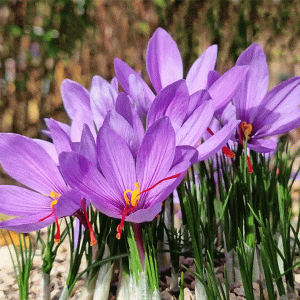
A Shared Love for Spices: All of Scandinavia shares a deep historical affection for warm, exotic spices. To understand why Northern European baking relies so heavily on this specific flavor, it helps to explore the origin of cardamom and how Viking trade routes and later merchant networks brought these treasures to the cold North. This historical integration is quite similar to the fascinating story of how saffron made its way into European cuisine, transforming local culinary traditions forever.
While you will certainly find cardamom flavoring Danish baked goods, the iconic twisted, soft cardamom bun is a Swedish masterpiece.
The Secret to the Perfect Bun
From a baker’s perspective, the secret to a world-class Kardemummabullar is avoiding pre-ground spice powders. Pre-ground cardamom loses its essential oils and aromatic punch rapidly.
Instead, professional Scandinavian bakers use whole green cardamom pods, crushing the seeds in a mortar and pestle just before adding them to the dough and the butter filling. The intensity of freshly crushed pods is unmatched, whether you are baking a batch of warm buns or simply figuring out how-many-cardamom-pods-for-one-cup-of-tea/ you need for a comforting afternoon brew.
are cardamom buns swedish or danish
How Long Do Cardamom Buns Last?
Because these buns are made with an enriched yeast dough rather than heavily preserved commercial batters, they have a specific window of peak freshness. If you have baked a fresh batch or brought some home from an artisanal bakery, you might be wondering: how long do cardamom buns last?
At Room Temperature (1 to 2 Days): Cardamom buns are absolute perfection on the day they are baked. If kept in an airtight container or a tightly sealed plastic bag at room temperature, they will stay reasonably soft for up to 48 hours. By day three, they tend to dry out and become slightly crumbly.
In the Fridge (Not Recommended): Storing enriched bread in the refrigerator actually accelerates the crystallization of the starches, making the buns go stale much faster. Skip the fridge!
In the Freezer (Up to 3 Months): The best way to preserve cardamom buns is freezing. Wrap them individually in plastic wrap as soon as they have completely cooled on baking day, then place them in a freezer-safe bag. They will last beautifully for up to 3 months.
Pro-Tip for Reheating: To revive a day-old or thawed bun, pop it into the microwave for 10–15 seconds with a damp paper towel over it, or warm it in a 350°F (175°C) oven for 5 minutes. The heat reactivates the butter and the cardamom oils, making it taste incredibly fresh again.
Records mentioned in this article
Frequently Asked Questions
Cardamom buns (known as Kardemummabullar) are originally from Sweden. They are made from a soft, twisted yeast dough, unlike Danish pastries which are typically made from flaky, laminated dough.
When stored in a genuinely airtight container or sealed bag at room temperature, fresh cardamom buns will last for 2 to 3 days. For the best texture, eat them on the first day or freeze the leftovers.
While you can use pre-ground cardamom in a pinch, it will lack the robust, citrusy aroma of authentic Swedish buns. For the best flavor and authentic experience, always crush the seeds from whole green pods right before baking.