As a spice sourcing expert, I spend a lot of time analyzing the complex supply chains of the world’s most expensive spices. Because premium quality is so rare and costly, I frequently get asked a very practical question by culinary enthusiasts: can cardamom be grown at home?
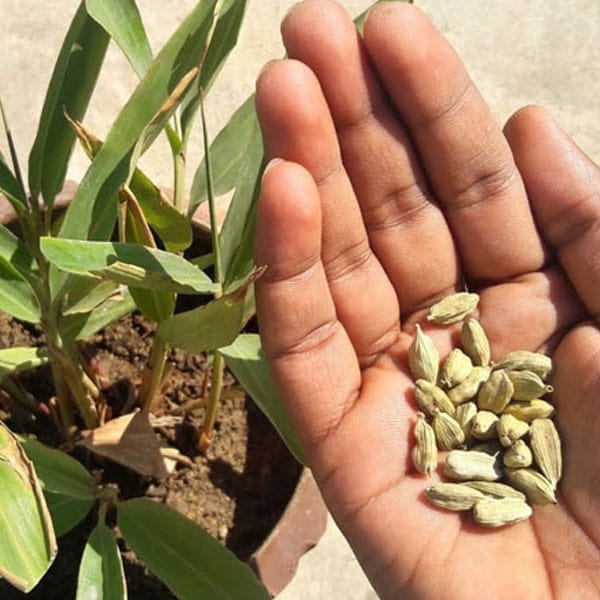
The short answer is yes, absolutely. However, before you envision a backyard full of green pods ready for your morning chai, you need to understand the true nature of this plant. Cardamom (Elettaria cardamomum) is a wild, tropical forest native. While cultivating it to the point of harvesting actual spice pods indoors is a challenge, growing it as a stunning, highly aromatic houseplant is incredibly rewarding.
Here is everything you need to know about bringing this exotic spice into your home.
Understanding the Cardamom Plant’s Natural Habitat
To succeed in growing cardamom, you have to mimic its natural environment. In the wild, cardamom thrives in the understory of hot, extremely humid, and rainy tropical forests. If you want to understand the exact climatic conditions it naturally demands, I highly recommend reading our encyclopedia entry on which countries grow cardamom.
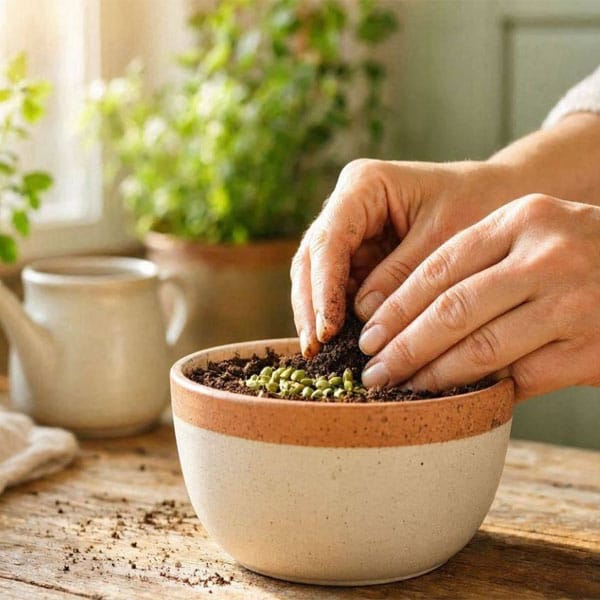
can cardamom be grown at home
Because it requires constant warmth and filtered light, treating it as an indoor plant or using a temperature-controlled greenhouse is the only viable option for most growers outside the tropics. For a comprehensive overview of the spice itself, its grades, and market specs, you can explore our central hub for cardamom.
Overcoming Climate Barriers: UK and Canada
Many of our readers from cooler regions ask about outdoor cultivation. Specifically, can cardamom grow in UK climates? And similarly, can cardamom grow in Canada?
The answer for both regions is: not outdoors year-round. Cardamom plants are highly sensitive to the cold. Even a brief exposure to temperatures below 50°F (10°C) can severely damage the plant, and frost will instantly kill the rhizomes.
However, indoor gardeners in both the UK and Canada can achieve fantastic results. By keeping the plant near a bright, east-facing window (away from cold drafts) and running a humidifier during the dry winter months, your cardamom plant will thrive indoors. In fact, many Canadian and British houseplant enthusiasts grow cardamom purely for its lush, lance-shaped leaves, which release a beautiful, spicy-sweet fragrance when gently rubbed.
How Long Does a Cardamom Plant Take to Grow?
If your ultimate goal is to harvest your own spice pods, you will need to practice patience. How long cardamom plant take to grow depends on how you start it.
If you are starting from a seed, it generally takes between 3 to 4 years for the plant to mature enough to produce the pale, beautiful flowers that eventually turn into seed pods. If you start with a rhizome division (a cutting from an established root system), you can shave a year or two off that timeline. Keep in mind that for an indoor plant to flower, it needs perfectly optimized humidity, consistent warmth, and adequate root space.
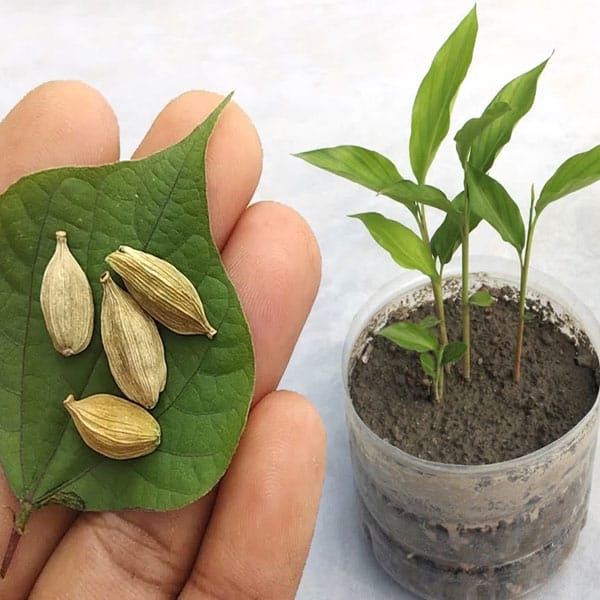
can cardamom be grown at home
4 Essential Tips for Indoor Cardamom Care
Based on my experience observing cultivation environments, here is how you can mimic a tropical forest in your living room:
Light: Avoid direct, scorching sunlight. Cardamom grows under the canopy of taller trees, so it prefers bright, filtered, or indirect light.
Soil: Use a loamy, rich, slightly acidic potting mix that drains exceptionally well. Root rot is the number one killer of indoor cardamom.
Water & Humidity: The soil should remain consistently moist but never waterlogged. Mist the leaves daily or place a humidifier nearby to keep the ambient humidity above 70%.
Space: These plants can get quite large. While a wild plant can reach 10 feet, an indoor cardamom plant will comfortably reach 3 to 4 feet in height, requiring a wide, deep pot to accommodate its spreading rhizomes.
If you enjoy the rewarding challenge of cultivating your own high-value spices, you might also find a parallel project fascinating. Check out our beginner’s guide to see if can you grow saffron at home – a completely different growing structure, but equally thrilling.
Records mentioned in this article
Frequently Asked Questions
Usually, no. The green cardamom pods you buy in the spice aisle have been harvested before they fully mature and are heavily dried (and sometimes irradiated) to preserve their shelf life. You need to purchase viable, untreated seeds from a reputable nursery to start growing.
Yes, but the scent comes mostly from the leaves! Even if your indoor plant never produces pods, brushing against or tearing a leaf releases a wonderful, distinctive cardamom aroma into the room.
Brown, crispy tips are the most common sign of low humidity or underwatering. Cardamom demands high air moisture; if your home has central heating or AC running, you must supplement the plant with a humidifier or a pebble tray with water.