Picture this: you are halfway through a recipe for a delicate spiced cake or a rich, creamy curry. The ingredients list calls for green cardamom, but you open your spice drawer and only find the large, dark, rough-skinned black cardamom pods.
The immediate kitchen dilemma strikes: can I substitute black cardamom for green cardamom?
The short, practical answer is no. Despite sharing a name, these two spices are vastly different in flavor, aroma, and culinary purpose. Swapping them blindly is like substituting a sweet apple with a smoked onion—it will completely change the destiny of your dish.
To truly understand why this swap rarely works, you have to look past the name and dive into what cardamom tastes like. Let’s break down the exact scenarios and find out what you should do instead.
can i substitute black cardamom for green cardamom
Can I Substitute Black Cardamom for Green Cardamom?
If your recipe explicitly calls for green cardamom (often just labeled as “cardamom” in Western baking and cooking), using black cardamom is a recipe for disaster.
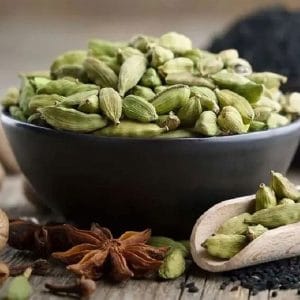
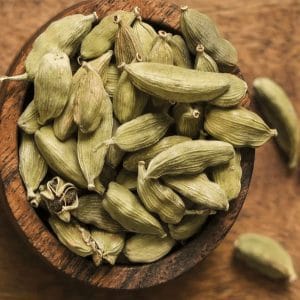
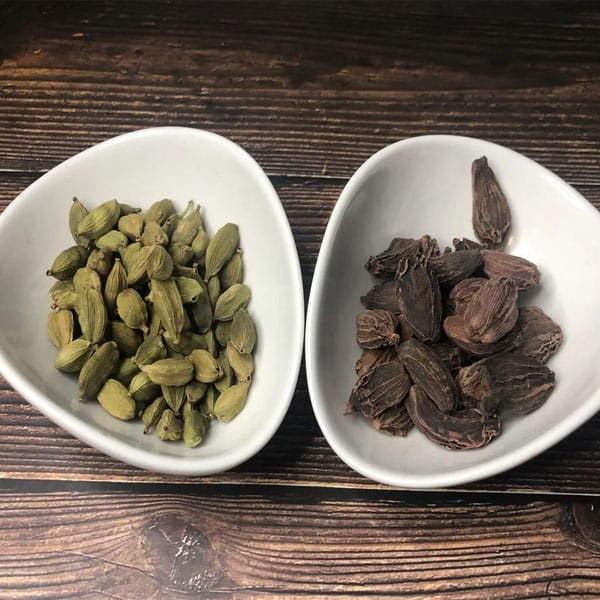
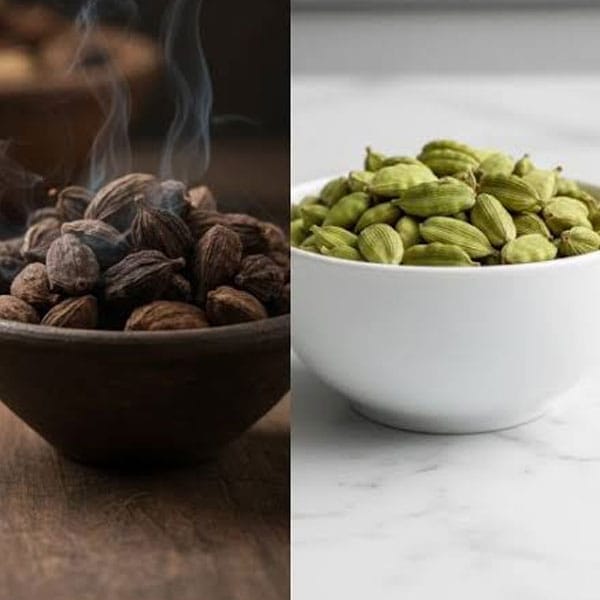
Green cardamom is known for its sweet, floral, and slightly eucalyptus-like profile. It is the bright, uplifting note in Scandinavian pastries, Indian masala chai, and Middle Eastern desserts.
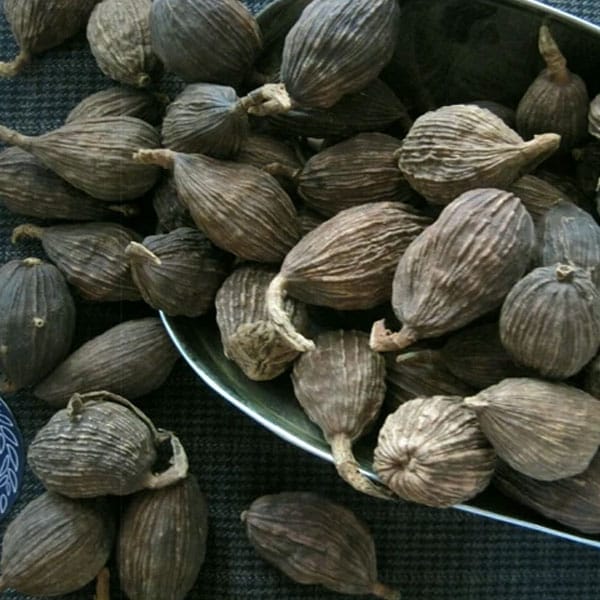
Black cardamom, on the other hand, is dried over an open fire. It possesses a strong, pungent, and intensely smoky flavor with heavy notes of camphor. If you drop a black cardamom pod into a delicate rice pudding or a sweet pastry dough, it will taste like a campfire. The smoky astringency of the black pod will easily overpower the subtle, sweet notes your recipe is aiming for.
Can I Substitute Green Cardamom for Black Cardamom?
What if the situation is reversed? Can I substitute green cardamom for black cardamom?
This substitution is slightly more forgiving, but it is still fundamentally flawed. Black cardamom is the backbone of hearty, savory dishes like Vietnamese Pho, rich Indian meat curries, and traditional Garam Masala blends. It provides a deep, earthy warmth that green cardamom simply cannot replicate.
If you use green pods instead of black in a slow-cooked beef stew, you won’t ruin the dish, but it will lack the robust, rustic depth the recipe intended. The sweet and floral notes of the green pod might even feel slightly out of place in a heavy, savory gravy.
If you want a deeper dive into the botanical, commercial, and culinary differences between these two distinct pods, read our comprehensive guide on green vs. black cardamom.
can i substitute black cardamom for green cardamom
Finding a Reliable Cardamom Substitute
Since swapping the two colors is off the table, what should you do when you are out of the right spice? The best cardamom substitute depends entirely on which type of pod you are trying to replace.
Best Substitutes for Green Cardamom (For Sweets and Baking)
If you need the sweet, complex warmth of green cardamom, try these pantry staples:
Cinnamon and Nutmeg: Mix equal parts ground cinnamon and nutmeg. This combination mimics the warm, woody, and slightly sweet profile of green cardamom perfectly in cakes and cookies.
Cinnamon and Cloves: Use half a teaspoon of cinnamon and a tiny pinch of cloves for every teaspoon of cardamom powder required. This works exceptionally well in meat rubs and chai blends.
Best Substitutes for Black Cardamom (For Savory Dishes)
Replicating the smoky intensity of black cardamom is trickier, but you can achieve a similar depth with a clever blend:
Smoked Paprika and Allspice: A tiny pinch of smoked paprika (for the campfire flavor) mixed with a dash of allspice or cumin will give your savory curries and broths that missing earthy weight.
Ultimately, nothing beats the authentic flavor of the real spice. For those who want to elevate their cooking, learning about the sourcing, grading, and origins of these ingredients is crucial. You can explore everything from wholesale buying to regional varieties in our central hub for cardamom.
Records mentioned in this article
Frequently Asked Questions
No. They come from entirely different plants. Green cardamom comes from the Elettaria cardamomum plant, while black cardamom comes from the Amomum subulatum plant. They are botanical cousins, not the same spice processed differently.
Yes. As a general rule of thumb, 1/6 teaspoon of ground cardamom is equivalent to the seeds of one whole green cardamom pod. However, ground cardamom loses its essential oils quickly, so freshly crushed seeds will always provide a better flavor.
Green cardamom is the traditional and preferred choice for Masala Chai, providing its signature sweet and aromatic lift. While some regional variations might add a single black pod for a smoky depth, green is the absolute foundation.