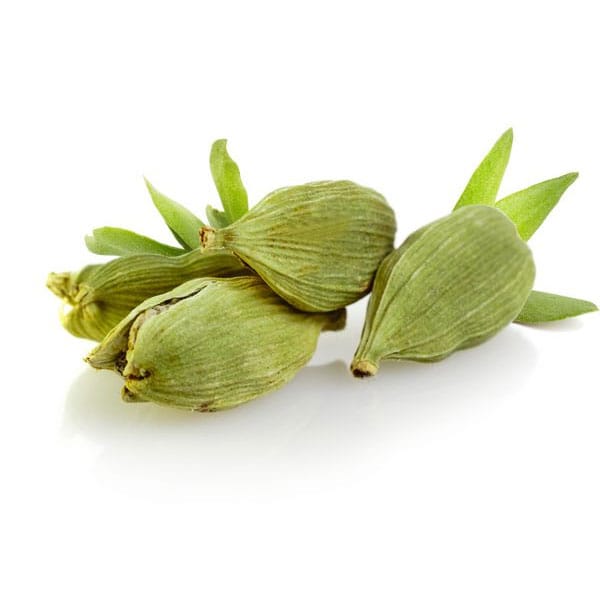
If you have ever followed an authentic Indian curry recipe or tried baking traditional Scandinavian sweet breads, you have likely encountered a common kitchen dilemma. You stare at those beautiful, bright green (or smoky black) little football-shaped spices and ask yourself: Do I throw the whole thing in? Do I crack it open? Are cardamom pods edible, or am I only supposed to use what is inside?
As sourcing experts who handle raw spices daily, we see this confusion all the time. Let’s break down exactly how to use this premium spice, where its true value lies, and how to avoid ruining the texture of your next dish.
Are Cardamom Pods Safe to Eat?
Yes, are cardamom pods safe to eat? Absolutely. They are not toxic, and accidentally swallowing one won’t harm you. However, safe to eat does not mean pleasant to eat.
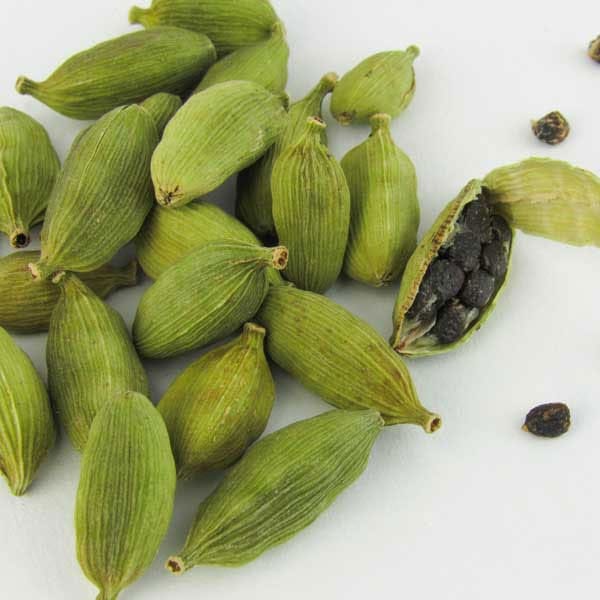
are cardamom pods edible
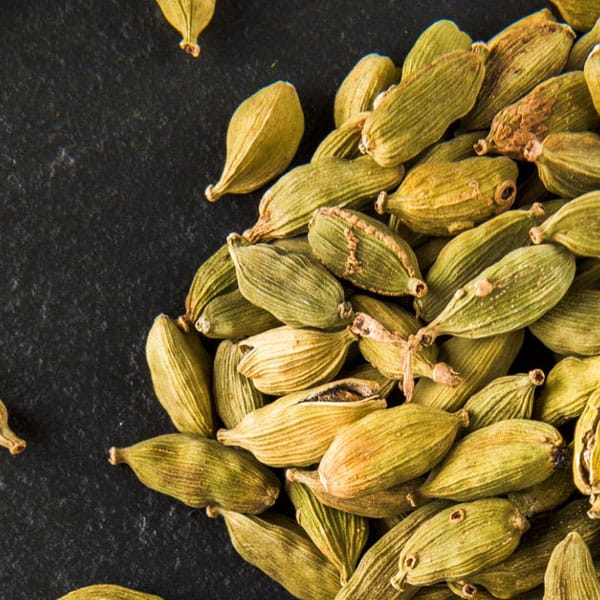
The outer pod is essentially a fibrous, papery husk. If you bite into a whole, cooked pod in a mouthful of rice, you will experience an unpleasant, chewy texture followed by an overwhelming burst of concentrated, soapy flavor. In most culinary traditions, whole pods are used to infuse flavor into a liquid (like a broth, stew, or tea) and are then either fished out before serving or simply pushed to the side of the plate by the person eating.
Are Cardamom Pods the Same as Seeds?
This is a crucial distinction: are cardamom pods the same as seeds? Not at all.
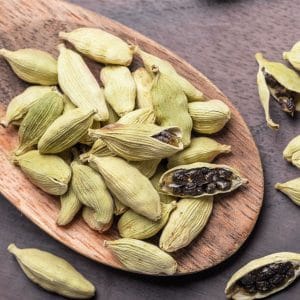
Think of a peanut. The pod is the protective outer shell, while the seeds are the actual nuts inside. When you split open a cardamom pod, you will find clusters of tiny, sticky, dark brown or black seeds.
Here is the secret that many home cooks miss: as we detail in our complete guide to cardamom origins and specifications, the true magic—the intense, volatile essential oils and citrusy aroma—is almost entirely locked inside those tiny black seeds, not te pod.h The outer husk is virtually flavorless. Its primary job in nature (and in your pantry) is to act as a protective capsule, keeping the highly sensitive seeds fresh until the moment you crush them.
Pods vs. Seeds: How to Choose for Your Recipe
Because the flavor lives inside the seeds, how you use the spice depends entirely on what you are making:
Whole Pods (Bruised): If you are making basmati rice, chai, or a slow-simmered stew, lightly crush the whole pod with the flat side of a knife just enough to crack it open. Drop it in whole. The liquid will seep inside, extracting the flavor of the seeds, while the pod keeps the seeds contained so they don’t scatter everywhere.
Decorticated Seeds (Removed from the Pod): If you are baking cakes, making pastries, or blending a dry spice rub like Garam Masala, you do not want fibrous husks in your food. Crack the pods open with your fingers, discard the green shells, and grind the black seeds in a mortar and pestle.
Understanding exactly what notes these crushed seeds bring to your dish is an art in itself. If you want to master flavor pairing, dive into our tasting guide to learn (what cardamom actually tastes like) across different varieties.
are cardamom pods edible
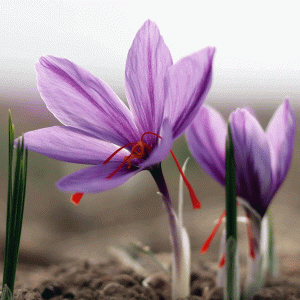
Choosing between buying whole pods to grind yourself versus buying pre-ground powder is a familiar dilemma for spice buyers. It requires the exact same thought process as deciding whether to buy whole saffron threads or saffron powder. In almost all cases, buying whole spices and grinding the seeds right before use guarantees a vastly superior, fresher aroma.
Beyond the Pod: Are Cardamom Leaves Edible?
Since we know the pods and seeds are safe, a rarer question pops up among gardeners and experimental chefs: are cardamom leaves edible?
Yes, they are. While you won’t easily find them in a standard Western grocery store, the broad, flat leaves of the cardamom plant are completely edible. They don’t pack the intense punch of the seed, but they release a very mild, earthy, and slightly cinnamon-like fragrance when heated. In regions where cardamom grows natively, the leaves are sometimes used to wrap fish or meats before steaming or grilling—very similar to how banana leaves are used in tropical cooking.
Records mentioned in this article
Frequently Asked Questions
Yes. For the best flavor and texture in baked goods or spice blends, crack open the pods, discard the fibrous green or black husks, and grind only the sticky dark seeds inside.
Yes, but carefully. Because ground cardamom is made from the concentrated seeds, it is much stronger by volume. Typically, 1/6 teaspoon of ground cardamom is equivalent to the flavor of the seeds from one whole pod.
While you shouldn’t eat the papery pod, chewing on a few of the raw black seeds from inside the pod is a traditional and highly effective natural remedy for neutralizing bad breath, though the taste will be very intense!