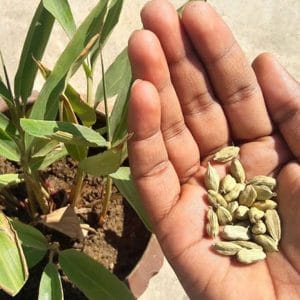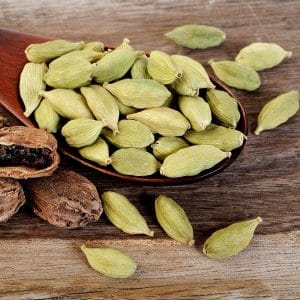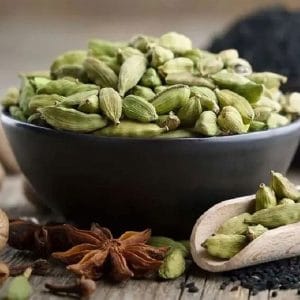
If you have ever opened a fresh jar of green cardamom, you know that unmistakable, intoxicating aroma—a complex blend of citrus, mint, and subtle spice. Cardamom is often called the “Queen of Spices,” and it earns that title through its intense flavor profile. But spices are not immortal. If you have found an old jar hiding in the back of your pantry, you are probably asking yourself some practical questions before adding it to your coffee or curry.
Whether you are a home baker or a tea enthusiast, understanding spice longevity is crucial. For a deep dive into the origins and varieties of this incredible spice, you can explore our central hub covering everything about cardamom. But for now, let’s talk about keeping it fresh.
How Long Does Cardamom Actually Last?
When we talk about the lifespan of spices, we are rarely talking about food safety (spices don’t rot like fresh produce); we are talking about potency. The essential oils inside cardamom are highly volatile, meaning they evaporate and degrade over time when exposed to air, light, and heat.
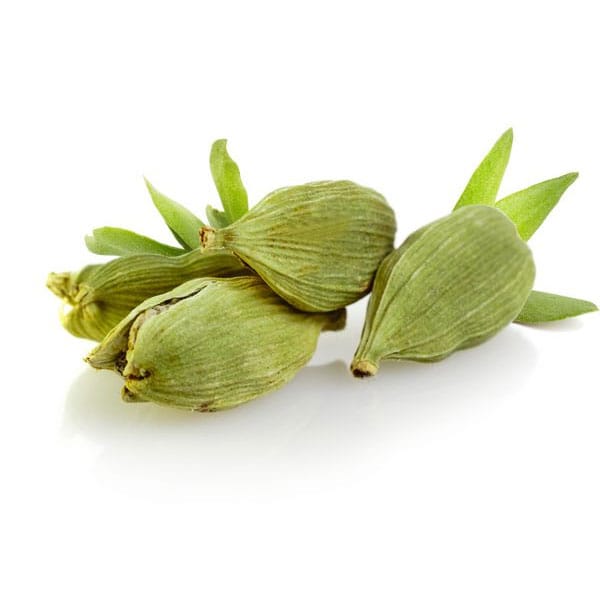
how long do cardamom pods last
Whole Pods vs. Seeds vs. Ground
How long do cardamom pods last?
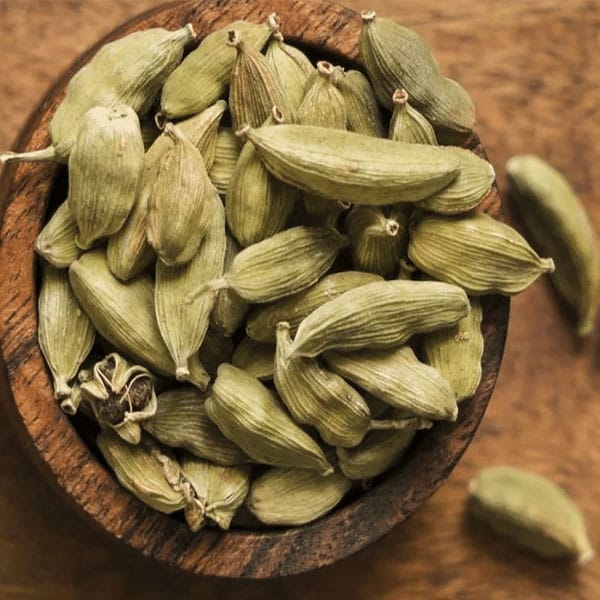
If stored correctly in a cool, dark place inside an airtight glass container, whole cardamom pods are incredibly resilient. They act as a natural protective vault for the seeds inside. You can expect whole green or black cardamom pods to retain their robust flavor for 3 to 4 years.
How long do cardamom seeds last?
Sometimes you buy decorticated cardamom (just the little black seeds without the green husk). Because they lack their protective outer shell, their lifespan is shorter. Stored properly, these seeds will stay beautifully aromatic for 1 to 2 years.
If you buy pre-ground cardamom, the clock ticks much faster. Once ground, the essential oils are fully exposed. Ground cardamom loses its vibrant punch in just 6 to 8 months. For the best culinary experience, we always recommend buying whole pods and grinding the seeds right before use.
Can Cardamom Pods Go Bad?
Strictly speaking, can cardamom pods go bad in a way that makes you sick? No. Spices do not spoil, mold, or turn toxic unless they are exposed to moisture. However, from a culinary standpoint, yes, they “go bad” by becoming flavorless. Old cardamom will look dusty, the pods will turn pale or yellowish-brown instead of vibrant green, and they will smell like stale wood rather than bright citrus. If a crushed pod yields no aroma, it is time to throw it out.
Can You Freeze Cardamom Pods?
When people buy expensive spices in bulk, the freezer often seems like a logical solution. So, can you freeze cardamom pods to extend their life?
The short answer is yes, you can, but you must be careful.
Freezing halts the degradation of essential oils, making it an excellent method for long-term storage if you bought a large wholesale batch. However, the freezer introduces a massive enemy to spices: condensation. Every time you take a freezing cold jar out into a warm kitchen, moisture forms on the inside of the glass and on the pods themselves. Moisture causes spices to clump, lose flavor, and eventually develop mold.
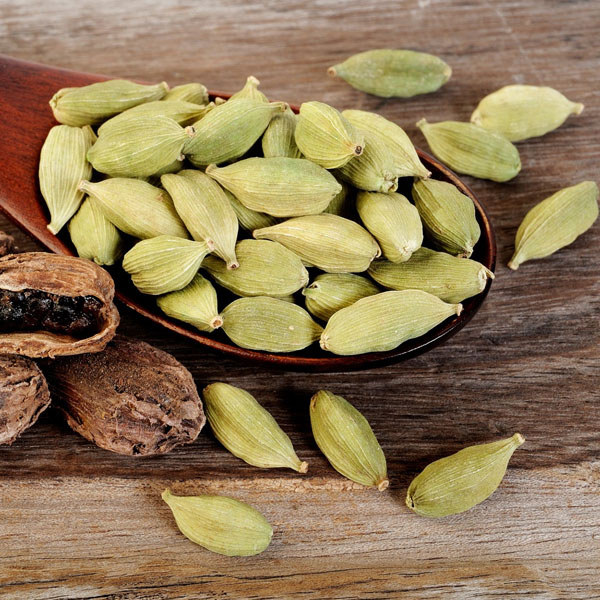
how long do cardamom pods last
How to freeze cardamom properly:
Divide and Conquer: Never freeze your daily-use stash. Keep a small amount in a jar in your pantry for daily cooking.
Vacuum Seal: Place the bulk of your cardamom in vacuum-sealed bags or highly airtight containers, pressing out as much air as possible.
Thaw Completely: When you need to refill your pantry jar, take the bulk container out of the freezer and let it sit on the counter unopened until it reaches room temperature. This prevents condensation from forming on the cold pods.
If you are curious about how the professionals manage temperature and humidity for massive quantities of this spice before it even reaches your home, you can read our technical guide on how cardamom is stored commercially.
Pro Tips for Everyday Pantry Storage
You don’t need a freezer to get years of life out of your cardamom. Just follow the golden rules of spice preservation:
Zero Light: Keep them in a dark cabinet, not on a sunny spice rack. UV light destroys color and flavor.
Airtight: Glass jars with rubber seals are vastly superior to the plastic flip-top containers you get at the grocery store.
Keep it Cool: Never store your spices in the cabinet directly above your stove or oven. The fluctuating heat will bake the oils right out of the pods.
Cardamom isn’t the only luxury spice that requires a bit of care. Spices share the same enemies. For instance, if you have other premium ingredients in your kitchen, you might also be wondering does saffron go bad?—the rules are similar, but the financial stakes are even higher!
Records mentioned in this article
Frequently Asked Questions
Take a single pod, crush it open, and rub the tiny black seeds between your fingers. Bring them to your nose. If the aroma is immediately strong, pungent, and complex, it is good to use. If you have to strain to smell anything, it has lost its potency.
No. The refrigerator is the worst place for spices. It fluctuates in temperature every time you open the door and is an incredibly humid environment, which will introduce moisture to your cardamom and ruin it quickly.
Dry roasting (blooming) spices in a warm pan does draw out essential oils and amplify flavor. If your cardamom is slightly past its prime, lightly toasting the pods before grinding can wake up the remaining oils. However, if the oils have completely evaporated over the years, roasting won’t magically bring them back.