Walk down the spice aisle of almost any western supermarket, pick up a bottle labeled simply “Ground Cinnamon,” and there is an overwhelming probability—upward of 90%—that what you are holding is not true cinnamon at all. Instead, you are holding the dried, pulverized bark of cassia. In the global spice trade, the umbrella term “cinnamon” masks a fundamental divide between two botanical realities: delicate, sweet true cinnamon, botanically designated as Cinnamomum verum the cinnamon record, and the bolder, thicker, and far more ubiquitous bark belonging to the cassia family.
For casual holiday baking, this distinction might seem like semantic pedantry. However, for serious cooks, herbalists, sourcing professionals, and anyone consuming cinnamon daily for metabolic health, knowing the difference is vital. Ceylon and cassia differ profoundly in their botanical origins, volatile oil composition, physical structure, culinary performance, and, most critically, their chemical safety profiles.
This comprehensive guide breaks down the science, origins, sensory traits, and practical tests you need to identify authentic Ceylon cinnamon from its pungent cassia cousins.
1. Ceylon Cinnamon (Cinnamomum verum)
Primary Origin: Sri Lanka (formerly Ceylon), with minor production in southern India and Madagascar.
Common Names: True Cinnamon, Pure Cinnamon, Sri Lankan Cinnamon.
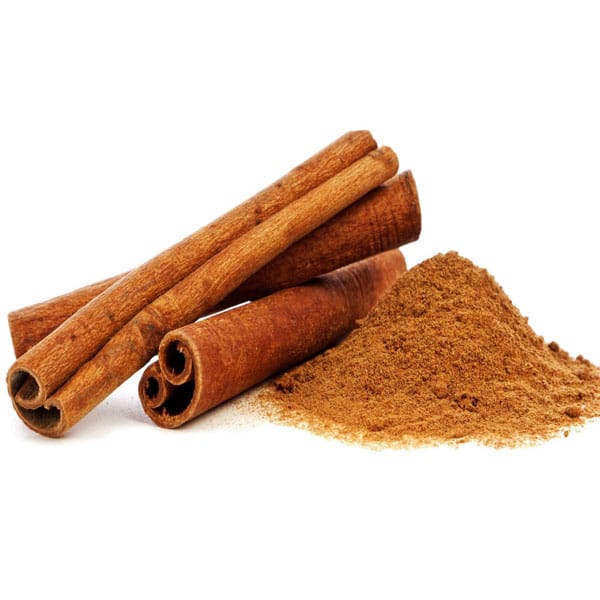
Botanical Character: Native to the wet central hills and southwestern coastal belt of Sri Lanka. The bark is harvested from young shoots, meticulously hand-peeled into paper-thin layers, and rolled into dense, multi-layered quills resembling a tightly rolled cigar.
ceylon cinnamon vs cassia
2. Chinese Cassia (Cinnamomum cassia, syn. C. aromaticum)
Primary Origin: Southern China (primarily Guangxi and Guangdong provinces).
Common Names: Chinese Cinnamon, Cassia Bark.
Botanical Character: A hardy tree producing thick, rough, hard bark. It yields the classic sharp, biting, woody flavor profile historically favored in traditional Chinese medicine (Rou Gui) and commercial savory spice blends.
3. Indonesian Cinnamon (Cinnamomum burmannii)
Primary Origin: Indonesia (concentrated on the volcanic slopes of western Sumatra, notably around Mount Kerinci).
Common Names: Korintje Cinnamon, Padang Cassia, Batavia Cassia.
Botanical Character: The dominant cinnamon imported into the United States. It provides the signature warm, sweet-spicy aroma associated with American bakery treats like cinnamon rolls and apple pie.
4. Saigon Cinnamon (Cinnamomum loureiroi)
Primary Origin: Vietnam (highland provinces of Yen Bai, Quang Nam, and Quang Ngai).
Common Names: Vietnamese Cinnamon, Saigon Cassia.
Botanical Character: Revered for having the highest concentration of cinnamaldehyde among all commercial species, giving it an intensely sweet, fiery, almost numbing heat. Its dark bark is oil-rich and highly aromatic.
The Coumarin Question: Why the Difference Matters for Health
Beyond taste and culinary nuance lies a crucial toxicological distinction: coumarin
ceylon cinnamon vs cassia
Coumarin is a naturally occurring aromatic benzopyrone compound found in varying concentrations in numerous plants. In high concentrations, coumarin is a moderate hepatotoxin and nephrotoxin. While occasional ingestion presents minimal risk to healthy individuals, regular or daily consumption can lead to liver inflammation, enzymatic changes, and liver damage in sensitive individuals.
Because of these health risks, the European Food Safety Authority (EFSA) established a Tolerable Daily Intake (TDI) for coumarin of 0.1 mg per kilogram of body weight. For a 60 kg (132 lb) adult, that limit is just 6 mg of coumarin per day—an amount easily surpassed by just one teaspoon of ground cassia.
The Laboratory Data: Zero Overlap Between Ceylon and Cassia
| Species | Scientific Name | Primary Origin | Coumarin Range (mg/g) |
|---|---|---|---|
| 2.14 – 9.30 | |||
| Saigon Cinnamon | Cinnamomum loureiroi | Vietnam | 1.06 – 6.97 |
The critical takeaway here is the gap between Ceylon and the cassia group. Ceylon cinnamon tops out at a negligible 0.090 mg/g, meaning it contains trace amounts barely detectable by standard liquid chromatography. By contrast, the lowest recorded value among the cassia varieties—Saigon at 1.06 mg/g—is still more than 11 times higher than Ceylon’s absolute maximum.
At the higher end of the spectrum, Indonesian cassia can reach 9.30 mg/g, which is over 100 times the coumarin found in Ceylon cinnamon. Because there is zero overlap between their ranges, laboratory analysis of coumarin content provides a foolproof method for authenticating true Ceylon cinnamon.
How to Tell Them Apart: A Sensory & Physical Field Guide
1. Quill Architecture and Structure
Ceylon Cinnamon: Authentic Ceylon quills are handcrafted works of agricultural art. Harvesters peel the tender inner bark into whisper-thin strips, layering them one inside another to form a tight, solid, multi-layered roll resembling a hand-rolled cigar. The cross-section is packed with concentric layers.
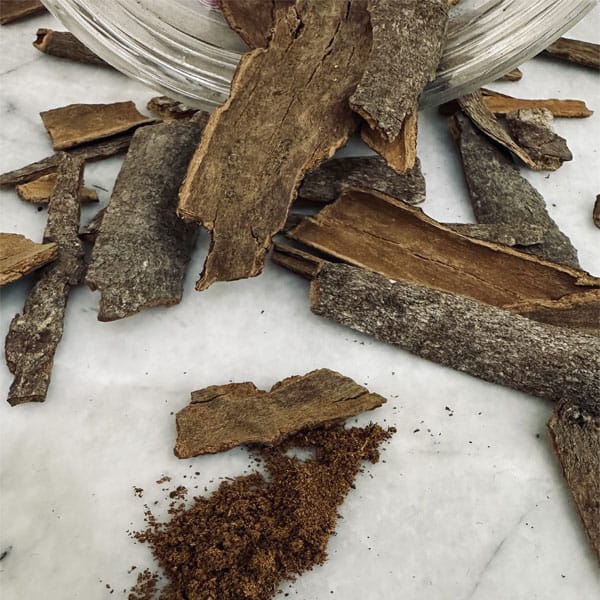
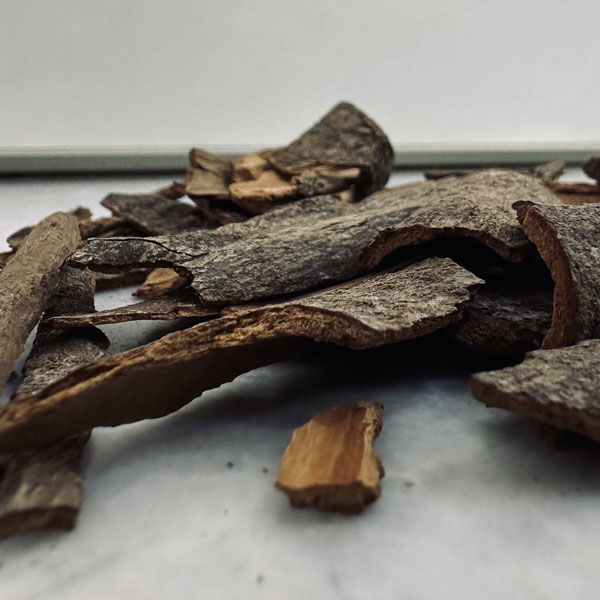
Cassia Varieties: Cassia consists of thick, single-layer bark harvested from mature trees. When dried, it curls inward from both sides or forms a singular, thick, hollow scroll. There are no layers inside; it is simply a sturdy, hollow wooden tube.
2. Texture and Brittleness
Ceylon Cinnamon: Highly brittle and delicate. You can easily snap a Ceylon quill in half with your fingers or crush it into flakes using a mortar and pestle. It grinds into a fine powder in standard home spice grinders without risking blade damage.
Cassia Varieties: Extremely hard, dense, and woody. Cassia bark resists finger pressure entirely. Attempting to grind whole cassia sticks in a light domestic coffee or spice grinder can easily chip or dull the blades.
3. Color
Ceylon Cinnamon: Shows a warm, soft, pale tan to golden-amber hue. It looks muted and refined, never harsh or saturated.
Cassia Varieties: Shows a distinctly darker, rustic color palette ranging from deep reddish-brown to dark grayish-mahogany. Indonesian Korintje frequently shows a rich chocolate-red undertone, while Chinese cassia leans toward dark earthen-brown.

ceylon cinnamon vs cassia
4. Aroma and Flavor Profile
Ceylon Cinnamon: Complex, subtle, and sophisticated. On the nose, it releases warm, sweet floral notes with hints of citrus, light clove, and dried fruit. On the palate, it never burns; instead, it offers a gentle, natural sweetness that enhances without overwhelming other ingredients.
Cassia Varieties: Direct, bold, and dominating. Cassia owes its personality to high levels of cinnamaldehyde without the balancing eugenol and linalool present in Ceylon. It hits the palate with immediate pungency, peppery heat, and a spicy kick that lingers on the tongue.
The Ground Cinnamon Challenge
Once cinnamon is ground into powder, visual inspection becomes harder, though not impossible:
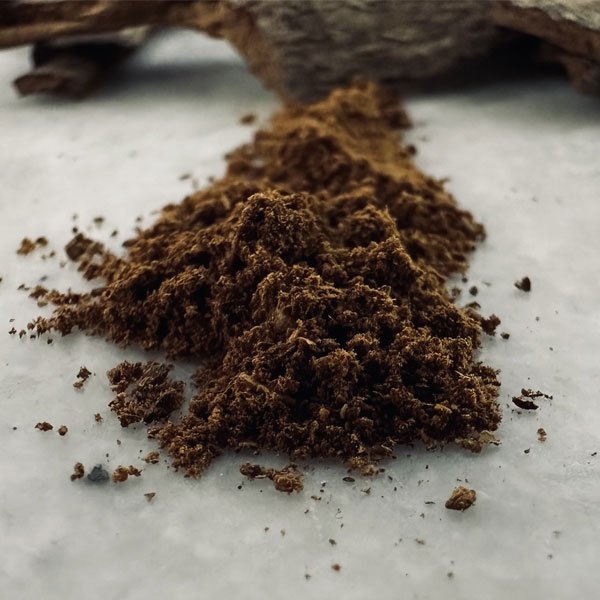
Visual Hue: Ceylon powder is light, warm tan—comparable to the color of light brown sugar or toasted hazelnut skins. Cassia powder displays a pronounced reddish-brown or dark russet tone.
Density and Texture: Pure Ceylon powder feels fine, soft, and almost powdery-silky between the fingertips. Cassia powder tends to feel slightly grainier and heavier.
The Iodine Starch Test: For food processors and home experimenters seeking proof without lab equipment, the classic iodine test can help. Cassia bark contains higher levels of free starches than delicate Ceylon inner bark. When a pinch of ground cinnamon is mixed with warm water and treated with a drop of tincture of iodine:
Cassia reacts with the starch, turning a deep, distinctive blue-black or dark greenish-blue.
Ceylon Cinnamon contains negligible starch and shows minimal reaction, retaining a light yellowish-brown cast.
Sourcing and Culinary Guide: Which Should You Use?
Choosing between Ceylon and cassia is not simply a matter of “good versus bad.” Each variety has an established place in professional kitchens and home pantries based on culinary chemistry and frequency of use.
ceylon cinnamon vs cassia
When Ceylon Cinnamon Is the Superior Choice
Daily Dietary Supplements: If you blend cinnamon into your morning oatmeal, smoothie, or coffee daily for glucose support or anti-inflammatory benefits, Ceylon is essential. Its near-zero coumarin content protects your liver from chronic exposure.
Delicate Patisserie and Desserts: Custards, crème brûlée, fruit compotes, delicate meringues, and light French or Mediterranean pastries benefit from Ceylon’s subtle floral complexity, where a harsh cassia note would overpower the dish.
Tea and Infusions: Simmering whole Ceylon quills produces a clear, fragrant, amber tea without bitterness or excessive astringency.
When Cassia Shines
Hearty, Long-Simmering Savory Dishes: Vietnamese Pho (Saigon cinnamon), Moroccan tagines, Chinese Five-Spice blends (Chinese cassia), and braised beef stews require a robust bark that can withstand hours of simmering without fading away.
Classic American Holiday Baking: The signature flavor profile of American gingerbread cookies, spiced pumpkin pies, and bakery cinnamon buns relies specifically on the bold, pungent punch of Indonesian Korintje. Ceylon can get lost under heavy layers of butter, molasses, and brown sugar.
ceylon cinnamon vs cassia
Sourcing Tips for Discerning Buyers
Examine the Label Closely: If the packaging states only “Cinnamon” or “Ground Cinnamon” without listing a country of origin or botanical name, it is almost certainly cassia. Authentic Ceylon will proudly highlight “Ceylon Cinnamon,” “Sri Lankan Cinnamon,” or “Cinnamomum verum.”
Look for Official Grades on Quills: Sri Lankan cinnamon is graded by quill thickness, diameter, and foxing (discoloration). The most prized premium retail grade is Alba (pencil-thin, tightly rolled, pristine aroma), followed by Continental (C5 Special, C4), Mexican (M4), and Hamburg (H1) grades.
Buy Whole When Possible: Purchasing whole quills guarantees authenticity and preserves the delicate essential oils until you are ready to use them.
In short, Ceylon cinnamon is lighter in color, softer, and more delicate in flavor, with multiple thin layers rolled into a fragile quill, while cassia is darker, harder, and bolder, formed from a single thick layer of bark. Once you know these simple visual and flavor differences, you can confidently choose the right cinnamon for every recipe.
Records mentioned in this article

Frequently Asked Questions
Yes, but adjust for strength. Cassia is much stronger and more pungent than Ceylon. If a recipe specifically calls for Ceylon and you only have cassia, reduce the amount by one-third to one-half so it does not overpower the dish.
Harvesting Ceylon cinnamon is an artisanal, labor-intensive craft. Harvesters peel the ultra-thin inner bark by hand using specialized brass rods and curved knives, rolling each quill manually. Cassia harvesting is less delicate and yields much heavier, thicker bark per tree, making it cheaper to produce at scale.
No. Saigon cinnamon (Cinnamomum loureiroi) is a member of the cassia family, not true cinnamon. While celebrated for its rich aroma and high essential oil content, Saigon cinnamon contains substantial coumarin levels (1.06 to 6.97 mg/g) and should not be used as a high-dose daily dietary supplement.