If you have ever opened a fresh jar of cinnamon and inhaled that warm, sweet, familiar aroma, you have already experienced coumarin firsthand. Yet over recent years, a wave of alarming headlines has turned this everyday kitchen staple into a source of consumer anxiety. Online posts caution that everyday ground cinnamon might be “toxic” or harmful to your liver, leaving home cooks and spice lovers wondering whether their morning sprinkle on oatmeal or cappuccino is quietly doing them harm.
The reality, as is so often the case in food science and spice sourcing, is far more nuanced and reassuring. Coumarin is not a synthetic poison, nor is it an industrial additive hiding in your pantry. It is an entirely natural, botanical aromatic compound that plants have produced for millions of years.
Understanding what is coumarin in cinnamon, how our bodies actually process it, and how traditional cinnamon varieties differ will help you navigate your spice rack with confidence rather than fear.
1. What Is Coumarin? A Natural Aromatic Compound, Not a Poison
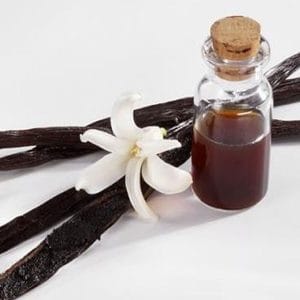
Coumarin is an organic crystalline compound belonging to the benzopyrone chemical class. In pure botanical terms, it is what gives freshly mown sweet hay, tonka beans, sweet woodruff, and certain tree barks their distinctive, comforting scent—a fragrance reminiscent of warm vanilla laced with dry grass.
what is coumarin in cinnamon
In nature, plants synthesize coumarin as part of their natural defense mechanism against herbivores and insect pests. It is concentrated primarily in the bark, leaves, and seeds of various flora.
Much of the modern alarm surrounding coumarin stems from a simple linguistic and chemical misunderstanding:
The Blood-Thinner Confusion: Many people hear “coumarin” and mistakenly think of Coumadin (the brand name for warfarin), a pharmaceutical blood thinner. Warfarin was originally developed following discoveries of dicoumarol—a byproduct formed when sweet clover rots under fungal infection. Natural dietary coumarin found in fresh cinnamon is a completely different chemical structure; it does not act as an anticoagulant or thin your blood.
Toxicity vs. Exposure: Calling coumarin a “toxin” without context ignores the fundamental rule of biochemistry: dose and metabolic pathways define the outcome. Coumarin is not an acute poison. You will not get sick from baking cinnamon rolls, simmering spiced mulled cider, or finishing a curry with whole bark.
2. Cassia vs. Ceylon: Where Coumarin Levels Really Differ
To understand how much coumarin enters your diet, you have to look at the tree the bark was stripped from. In international spice commerce, “cinnamon” refers to two distinct commercial categories: Cassia and Ceylon.
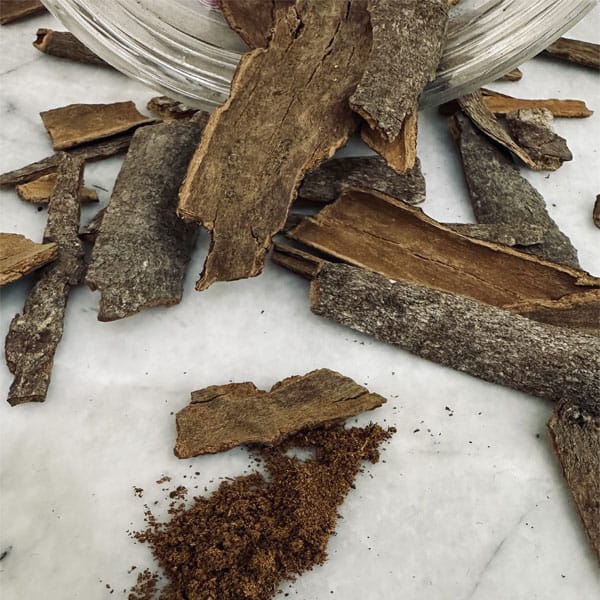
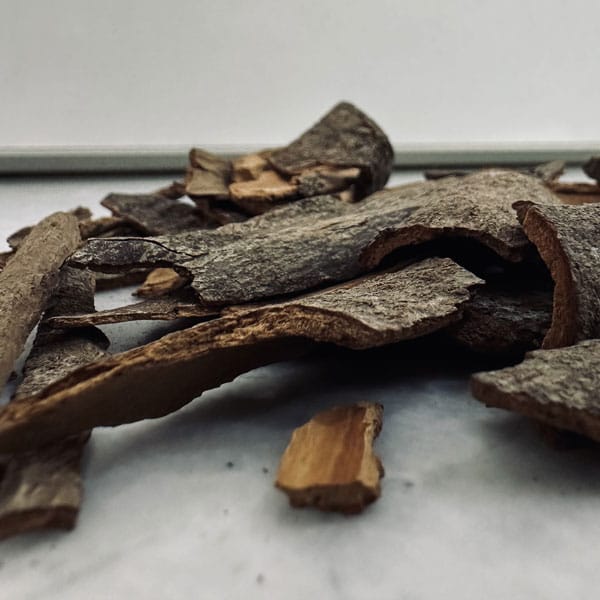
Most ground cinnamon sold in supermarkets worldwide is Cassia, sourced largely from Indonesia, Vietnam, and China. Cassia species (Cinnamomum cassia, Cinnamomum burmannii, and Cinnamomum loureiroi) have thick, single-layer woody barks packed with intense essential oils and cinnamaldehyde. They also naturally synthesize significant amounts of coumarin.
By contrast, Ceylon cinnamon (Cinnamomum verum), native to Sri Lanka and parts of southern India, is cultivated from delicate, paper-thin inner layers rolled together like a fine cigar. It offers a subtle, citrus-floral sweetness and contains barely any coumarin at all.
When testing commercial batches across origins, analytical laboratories document substantial variance. As detailed in the cinnamon record, average Cassia barks typically contain anywhere between 1,000 mg and 7,000 mg of coumarin per kilogram of spice (roughly 0.1% to 0.7% by weight), whereas authentic Ceylon cinnamon registers merely trace quantities—frequently below 20 mg per kilogram (less than 0.002%), making it virtually coumarin-free by comparison.
3. How the Human Body Handles Coumarin: The Detoxification Pathway
Early toxicity warnings surrounding coumarin were largely extrapolated from animal models conducted decades ago, particularly on laboratory rats and dogs. In rodents, high doses of coumarin caused hepatic stress and cellular damage.
what is coumarin in cinnamon
However, humans are not large rodents. Our digestive and enzymatic physiology handles this compound along an entirely different biological pathway:
The Human Metabolic Route: When you ingest dietary coumarin, your liver enzymes (specifically the cytochrome P450 enzyme known as CYP2A6) immediately go to work. In humans, this enzyme predominantly converts coumarin into 7-hydroxycoumarin.
Rapid, Safe Excretion: 7-hydroxycoumarin possesses virtually no toxicity. It is water-soluble, swiftly conjugated, and filtered through the kidneys to be excreted harmlessly in urine within hours.
The Rodent Divergence: Rodents lack sufficient CYP2A6 activity; their livers are forced to metabolize coumarin via an alternative pathway that generates coumarin 3,4-epoxide, a reactive metabolite that stresses liver tissue.
Because of this protective human enzymatic pathway, no direct adverse or chronic toxic effect has ever been measured or demonstrated in the general human population from eating regular, dietary culinary cinnamon. The rare instances of transient liver enzyme elevations reported in medical literature occurred almost exclusively in clinical trials where isolated coumarin was administered as a high-dose pharmaceutical drug, or in an extremely small subset of hypersensitive individuals. Even in those rare instances, enzyme levels normalized completely once intake ceased, leaving no lasting damage.
4. The BfR Guideline: What Does 0.1 mg/kg Really Mean in the Kitchen?
To establish a responsible public health benchmark, the German Federal Institute for Risk Assessment (BfR – Bundesinstitut für Risikobewertung), alongside the European Food Safety Authority (EFSA), established a Tolerable Daily Intake (TDI) for coumarin:
Tolerable Daily Intake (TDI)=0.1 mg of coumarin per kilogram of body weight per day
It is critical to recognize how health authorities calculate a TDI. A Tolerable Daily Intake is not a toxic threshold where crossing the line causes illness. Instead, toxicologists take the “No Observed Adverse Effect Level” (NOAEL) from sensitive animal studies and apply a standard 100-fold safety buffer to protect even the most vulnerable individuals across a lifetime of daily exposure.

what is coumarin in cinnamon
Translating the Math into Daily Food Intake
What does a limit of 0.1 mg/kg look like on an ordinary dinner plate?
For an adult weighing 60 kg (132 lbs), the daily baseline limit is 6 mg of coumarin.
For an adult weighing 80 kg (176 lbs), the daily baseline limit is 8 mg of coumarin.
Given that an average teaspoon of ground Cassia cinnamon weighs around 2 to 2.5 grams, and contains roughly 2 to
5 mg of coumarin depending on the harvest batch:
A regular adult can comfortably consume half a teaspoon to a full level teaspoon of standard grocery-store Cassia cinnamon every single day without exceeding the BfR’s ultra-conservative safety threshold.
If you bake an occasional holiday pastry, enjoy spiced gingerbread, or use two teaspoons of Cassia in a batch of apple crisp on a weekend, your body’s hepatic pathway clears it without incident. The TDI is designed around lifelong, unbroken daily consumption—not an occasional celebratory dessert.
If you switch to Ceylon cinnamon, the coumarin presence is so microscopic that you could consume several tablespoons daily without coming anywhere near the BfR limit.
5. Practical Buying and Kitchen Advice: How to Choose Wisely
Understanding the origin of your spices puts you in complete control over what you bring into your kitchen. You do not need to purge your pantry of Cassia, but matching the cinnamon variety to your habits makes practical sense.
When Supermarket Cassia Is Ideal
Cassia holds up exceptionally well against prolonged heat and heavy fats. Its punchy, bold cinnamaldehyde kick is what creates that classic American bakery profile. If you use cinnamon once or twice a week—in holiday cookies, roasted squash, or occasional marinades—Cassia is economical, delicious, and perfectly safe.
When You Should Switch to Ceylon
If cinnamon is part of your daily health routine—for example, if you stir a heaping spoonful into your morning oats every day, take cinnamon powder for blood sugar regulation, or prepare daily cereal for toddlers and small children—investing in Ceylon cinnamon is the smarter culinary sourcing decision. Because children have lower body weights, their daily BfR threshold is proportionally smaller (a 15 kg child has a TDI of 1.5 mg coumarin), making Ceylon the ideal choice for family-wide daily habits.
what is coumarin in cinnamon
Identifying True Cinnamon in the Market
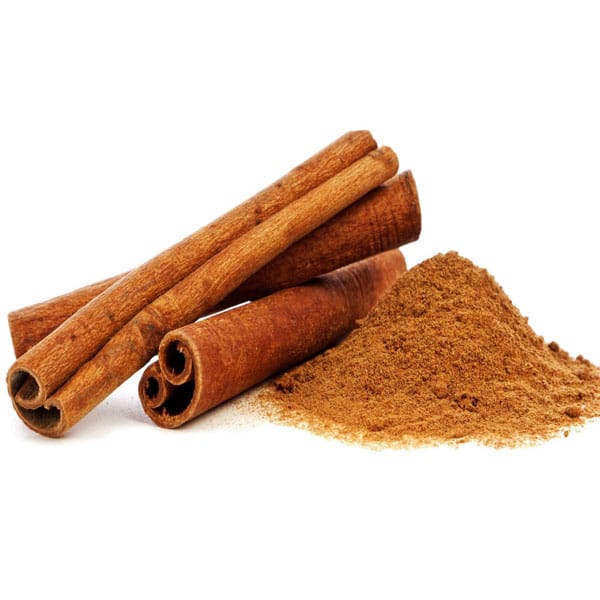
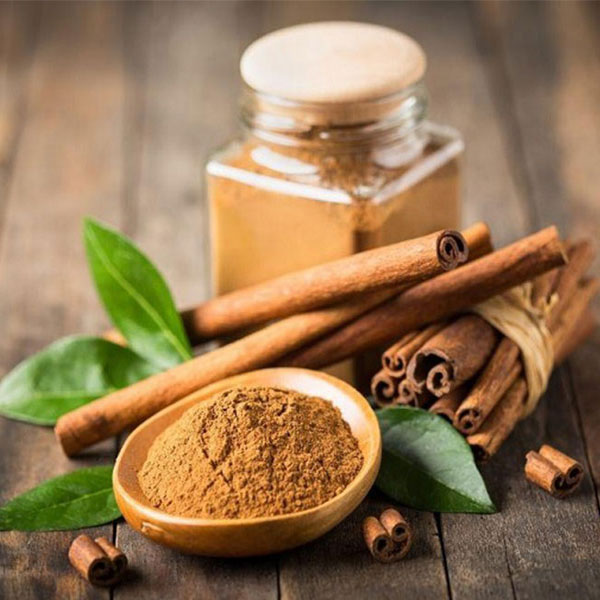
Look at the sticks: Ceylon quills are fragile, multi-layered, tan-colored scrolls that crumble easily between your fingers. Cassia sticks are thick, hard, dark reddish-brown curls that you cannot break without a heavy knife or mortar.
Read the label: If the package simply says “Cinnamon” or “Ground Cinnamon,” it is almost universally Cassia. Ceylon cinnamon will explicitly state Cinnamomum verum, Ceylonese, or Sri Lankan True Cinnamon on the front label.
Coumarin is simply a piece of cinnamon’s natural botanical identity. By viewing it through the lens of genuine human biology and sensible culinary sourcing, you can enjoy this ancient, comforting spice with complete peace of mind.
Records mentioned in this article

Frequently Asked Questions
No. In ordinary dietary quantities, coumarin is not dangerous. The human liver efficiently metabolizes dietary coumarin into a safe compound called 7-hydroxycoumarin, which is quickly excreted through urine. No direct toxic harm has been documented in healthy humans from eating regular culinary cinnamon.
The German Federal Institute for Risk Assessment (BfR) and the European Food Safety Authority (EFSA) recommend a Tolerable Daily Intake (TDI) of 0.1 mg of coumarin per kilogram of body weight per day. This guideline incorporates a 100-fold safety factor and equates to roughly one level teaspoon of standard Cassia cinnamon daily for an average adult.
Choose authentic Ceylon cinnamon (Cinnamomum verum), often labeled as “True Cinnamon.” While standard Cassia contains around 1,000 to 7,000 mg/kg of coumarin, Ceylon contains only trace levels (typically below 20 mg/kg), allowing you to consume it daily in generous amounts with negligible coumarin intake.