Step into a cinnamon peelers’ shed in the humid lowlands of southern Sri Lanka, and the first thing that hits you is not just the warm, sweet aroma—it is the quiet, rhythmic precision of the knives. Long before true Ceylon cinnamon (Cinnamomum verum) reaches spice racks in Europe, North America, or the Middle East, it exists as supple green shoots nurtured by equatorial rains and harvested through an exacting artisanal discipline that machines have never managed to duplicate. According to the cinnamon record, Sri Lanka produces the vast majority of the world’s pure Ceylon cinnamon, yet remarkably few consumers realize that every single authentic quill is cut, scraped, stripped, and hand-rolled by experienced artisans whose generational dexterity directly shapes the market value of the spice.
Understanding how cinnamon transforms from a coppiced forest shrub into delicate, cigar-like rolls reveals why pure Ceylon cinnamon commands a substantial premium over rough, mass-harvested cassia bark. Here is an inside look at the cultivation, harvesting seasons, and time-honored peeling craft practiced across the southern and western slopes of the island.
The Terroir of True Cinnamon
While wild cinnamon trees can grow up to 10 to 15 meters tall in dense jungle canopies, cultivated cinnamon behaves entirely differently. The heart of Sri Lanka’s cinnamon belt stretches across the Southwestern wet zone, concentrated heavily in three key districts:
how is cinnamon harvested
Galle: Famous for its coastal humidity, well-drained sandy loam soil, and coastal sea breezes that encourage rapid stem regeneration. Smallholder estates here produce some of the most fragrant, light-colored barks found anywhere in the global trade.
Matara: Bordering the southern coast, Matara is the artisanal engine of the trade, boasting multi-generational peeling communities known for crafting ultra-thin, tightly packed high-grade quills.
Ratnapura: Tucked inland toward the foothills of the central highlands, the “City of Gems” pairs heavy monsoonal rainfall with deep, mineral-rich red-yellow podzolic soils, producing vigorous, oil-rich stems with distinct floral undertones.
Together, these regions benefit from an annual rainfall exceeding 2,000 to 2,500 millimeters and year-round temperatures hovering between 25∘C and 32∘C . This combination prevents the tree bark from turning brittle, allowing sap to flow freely just beneath the surface—a critical factor when the harvest window opens.
Cultivation and Coppicing: Managing the Bush
Commercial cinnamon farmers do not harvest from massive, mature tree trunks. Instead, they practice an ancient agroforestry technique known as coppicing:
Initial Planting: Cinnamon is grown from seed or semi-hardwood cuttings planted in nursery beds, then transplanted into cleared groves spaced roughly 1 to 1.2 meters apart.
The First Cut: After roughly two to three years of vegetative growth, when the main central stem reaches about 2 to 3 meters in height, it is cut down nearly to ground level.
Stump Stimulation: This severe pruning shocks the root crown into sending up a dense cluster of straight, vertical, pencil-to-thumb-thick shoots known as “tillers.”
Cyclical Harvesting: Once established, a healthy cinnamon bush produces a harvestable crop of straight shoots every 6 to 12 months for 40 years or more, making it an exceptionally sustainable perennial crop when managed with care.
Farmers carefully prune away weak side branches, forcing the shoots to grow straight and knot-free. Knots and branching points interrupt the bark grain, creating tears during peeling and lowering the final grade.
When and How Is Cinnamon Harvested?
Knowing how cinnamon is harvested is as much about meteorology as it is about botany. The harvest follows the island’s monsoon rhythms—the Yala monsoon (May to August) and the Maha monsoon (October to December).

how is cinnamon harvested
Timing within the season is vital:
The Sap Test: Harvesters will not cut an entire stand at once. A field worker walks through the grove with a small, curved pocket blade, making a tiny incision into a sample stem to peel back a test flap of bark. If the bark slips away cleanly and effortlessly with an audible, moist peel, the sap is flowing, and the bush is ready.
The Danger of Dry Spells: If cutting occurs during an unseasonal dry period, the inner bark bonds tenaciously to the wood core. Forcing it off will shred the delicate tissue into irregular fragments, ruining its market value.
The Felling Technique: Using a heavy billhook (katty), cutters slice the selected stems diagonally just a few inches above the soil collar. Cutting at a sharp angle prevents rain pools from rotting the stump and promotes the emergence of the next generation of shoots.
Trimming: The harvested stems are quickly stripped of their lush green leaves and smaller terminal twigs right in the field before being tied into bundles and carried directly to the peeling shed (wadiya). Processing must begin within hours to keep the bark supple.
The Peeling Shed: Where Handcrafting Dictates Market Price
Once the cut sticks enter the peeling shed, the process shifts entirely from outdoor agriculture to refined micro-craftsmanship. Unlike Indonesian, Chinese, or Vietnamese cassia—where thick, outer bark is mechanically stripped or hacked off in thick slabs with minimal grading—Ceylon cinnamon demands four distinct, labor-intensive stages:
1. Scraping the Rough Outer Layer (Kokotta)
The stem is first rested against a wooden peg or held firmly across the peeler’s leg. Using a small, slightly curved scraping tool called a kokotta, the worker deftly scrapes away the rough, bitter, grayish-brown outer cork and the green chlorophyll layer beneath. What remains is the pristine, golden-fawn inner phloem—the only part of the plant that makes true Ceylon cinnamon.
2. Rubbing and Loosening the Bark
Next comes a step unique to Sri Lanka. The peeler takes a smooth, heavy brass rod (patana) and rubs it vigorously up and down the length of the scraped stick with firm, rhythmic pressure. This friction warms the wood, breaks the delicate cambium bond, and releases the essential cinnamaldehyde oils between the inner bark and the hard central core, allowing the paper-thin bark to release without tearing.
3. Slicing and Stripping
Using a razor-sharp, pointed peeling knife (keti haluwa), the craftsman scores two longitudinal incisions down opposite sides of the stem, then cuts circular rings every 30 to 45 centimeters. With a practiced slide of the blade’s flat side under the bark edge, the artisan lifts off two pristine, paper-thin, translucent half-cylinders of inner bark.
Quill, Quilling, Feathering, and Chip
In global spice procurement, understanding technical trade classifications is essential. The physical state and diameter of the dried bark dictate whether a batch sells for entry-level industrial extraction or commands top dollar in boutique culinary packaging:
how is cinnamon harvested
Quill
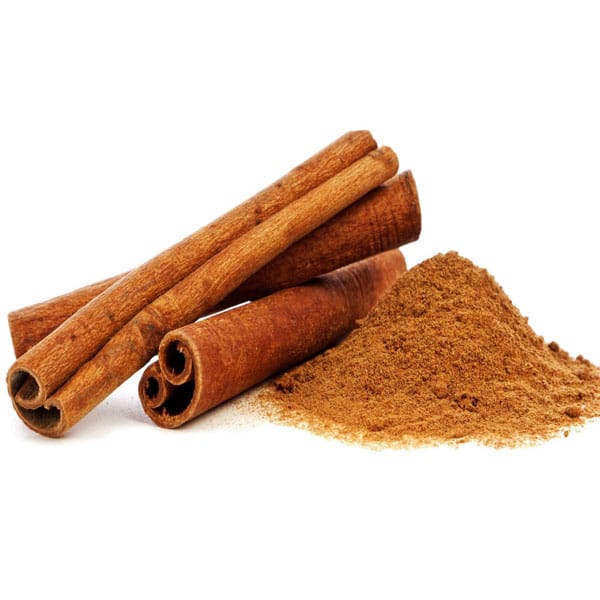
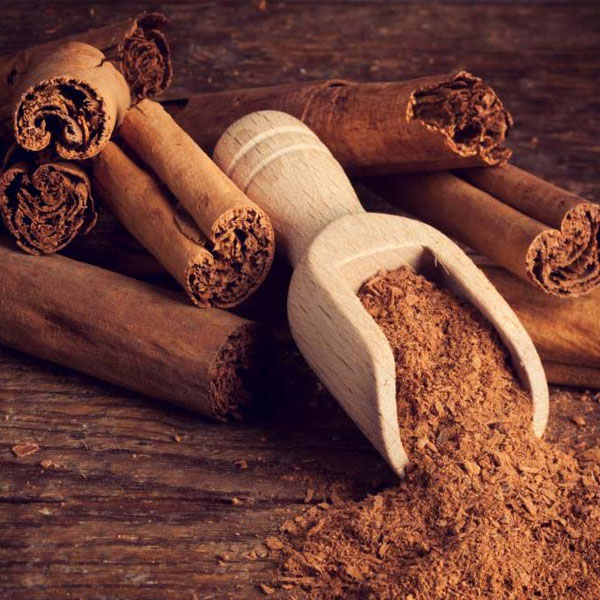
A quill is a complete, full-length roll of dried true cinnamon. It looks like a long, slender, multi-layered golden cigar, traditionally measuring 42 inches (about 106 cm) in the Sri Lankan export trade, though often cut into 3-to-5-inch pieces for consumer packaging.
To make a quill, peelers take the freshly stripped, curled half-tubes of bark and nest them carefully inside one another, overlapping the edges so that as they dry and shrink, they interlock into a continuous, firm cylinder.
Premium grades (such as Alba, followed by Continental (C5 Special, C5, C4), Mexican (M5, M4), and Hamburg (H1, H2)) are determined by quill diameter, thickness, and smoothness. Alba quills are no thicker than a pencil and require the highest level of craftsmanship to roll.
Quilling
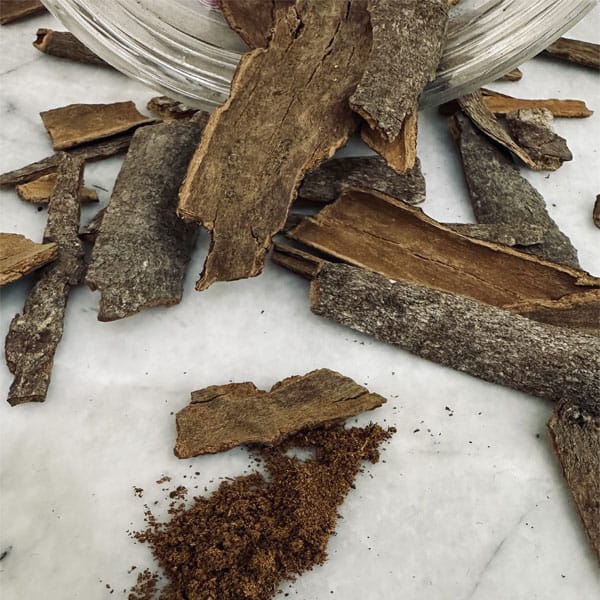
During the rolling and transport process, quills inevitably break, or shorter bark pieces cannot form a full-length cylinder. Quillings are these broken lengths, split pieces, and short segments of high-quality inner bark. While they lack the visual perfection required for whole-quill retail packaging, they retain identical aromatic and chemical qualities, making them a preferred, cost-effective choice for spice grinders and specialty tea blenders.
Feathering
Feathering refers to the small, thin, feather-like shavings, twigs, and curled offcuts of the inner bark generated during the trimming and fitting of quills. Peelers frequently use these delicate shavings as an internal filler inside the hollow center of a master quill before sealing it, ensuring the quill dries uniformly round and dense without hollow collapse. Surplus featherings are sold separately for essential oil distillation and powdered extracts.
Chip
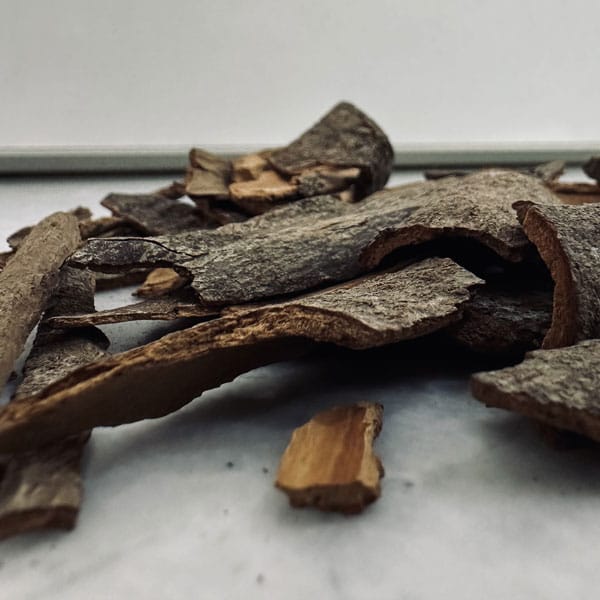
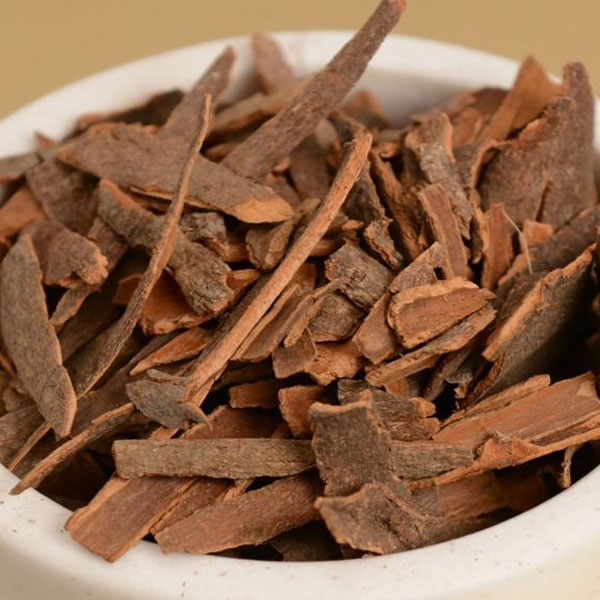
Chips represent the lowest physical grade of cinnamon bark. They consist of rough fragments of unpeeled or partially scraped bark, stem tips, and scrapings collected from the shed floor. Chips contain a higher proportion of coarse fiber and woody residue. Because they cannot be ground into table-grade spice without introducing grittiness, chips are channeled almost exclusively into industrial steam distillation facilities to extract raw cinnamon bark oil and oleoresins.
how is cinnamon harvested
Drying, Curing, and Inspection
Once the composite quills are assembled and filled, they cannot simply be laid out under scorching direct sunlight. Intense tropical sun bleaches the bark, bakes out the volatile essential oils, and warps the cylinders.
Instead, the freshly rolled quills are laid out on coir string racks suspended beneath covered, well-ventilated drying sheds. Over three to seven days, the warm ambient air gently removes moisture. As the water evaporates, the inner bark tightens around its filling, shrinking into a firm, rigid tube with a distinctive, warm golden-buff hue.
Only when the moisture content drops below 12% to 14% are the quills taken down, trimmed to uniform lengths, inspected for mold or blemishes, and bundled into traditional 45-kilogram coir bales for dispatch to export warehouses in Colombo.
Why True Ceylon Cinnamon Commands a Higher Price
Consumers encountering genuine Ceylon cinnamon often wonder why its price is three to five times higher than conventional supermarket cinnamon. The answer lies in two straightforward realities: botany and human labor.
Cassia bark (Cinnamomum cassia, native to East and Southeast Asia) is harvested from thick, mature trunks. It can be cleaved with heavy machetes in broad sheets, contains high levels of the liver-toxic compound coumarin, and dries into extremely hard, hollow, single-layer curved boards that can break a household spice grinder.
how is cinnamon harvested
Ceylon cinnamon (Cinnamomum verum), by contrast:
Contains barely detectable trace amounts of coumarin (averaging less than 0.004%, compared to up to 1%in cassia), making it safe for daily therapeutic and culinary consumption.
Has a subtle, warm, complex flavor profile featuring citrus, floral, and clove notes rather than harsh, spicy heat.
Demands pure human craftsmanship: There is still no automated machine capable of assessing stem sap, gently scraping the green epidermis, rubbing with a brass rod, and assembling multi-layered quills by hand. Every single quill in existence was built by a skilled artisan sitting on a woven mat in a Sri Lankan shed.
When purchasing authentic Ceylon cinnamon, you are paying not merely for an agricultural commodity, but for an unbroken, centuries-old artisanal tradition preserved across the hills and river basins of Sri Lanka.
Records mentioned in this article

Frequently Asked Questions
A Ceylon cinnamon quill features multiple paper-thin, soft layers rolled together like a cigar, with a pale tan-to-golden color that easily crumbles between your fingers. A cassia stick consists of a single, thick, hard, dark reddish-brown hollow curl that is rigid, woody, and nearly impossible to crush by hand.
The southern and western districts of Galle, Matara, and Ratnapura produce the vast majority of the world’s premium Ceylon cinnamon, thanks to their acidic sandy loam soils, high tropical humidity, and abundant monsoonal rainfall.
A quill is a whole, hand-rolled, multi-layered cinnamon cylinder. Quillings are broken or short pieces of those same high-grade quills. Chips are rough, unpeeled outer bark fragments and scrapings used primarily for commercial essential oil distillation rather than whole-spice cooking.