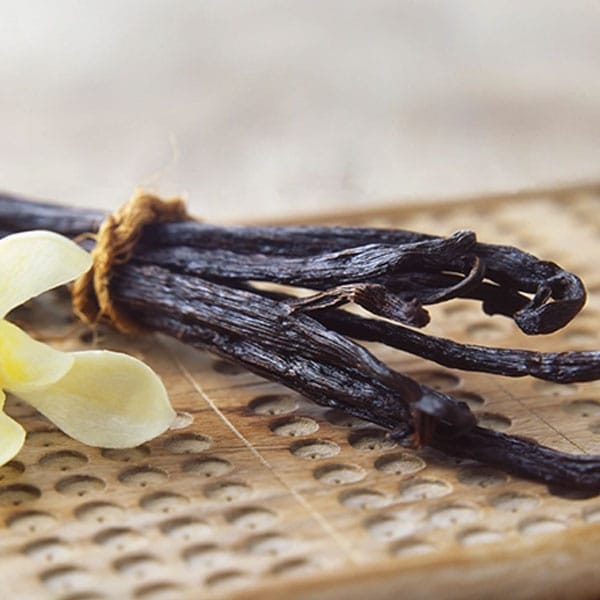
If you open a jar of high-quality vanilla beans, the aroma that fills the room is unmistakable—rich, dark, creamy, and complex. For most of the world, that specific sensory experience comes from one distinct place: Madagascar.
Despite being a highly sensitive orchid native to Central America, the vanilla plant has found its most productive home on a large island off the southeastern coast of Africa. The dominance of this nation in the global spice trade is nothing short of remarkable. In fact, by 2023, agricultural data confirmed that an astounding 43% of the world’s global vanilla production came directly from Madagascar.
But how did an island thousands of miles away from the plant’s ancestral home become the undisputed global capital of this highly prized spice? The answer lies in a fascinating blend of historical agricultural breakthroughs, a highly specific microclimate, and generations of localized expertise.
The Journey Across Oceans
To understand Madagascar’s dominance, you first have to understand the crop’s geographical origins. For centuries, vanilla was exclusively cultivated by the Totonac people and later the Aztecs in Mesoamerica. When European explorers brought the spice back across the Atlantic, it was a massive hit. However, every attempt to cultivate the vines in Europe or other tropical colonies failed miserably. The orchids would grow and bloom, but they would never produce the coveted pods.
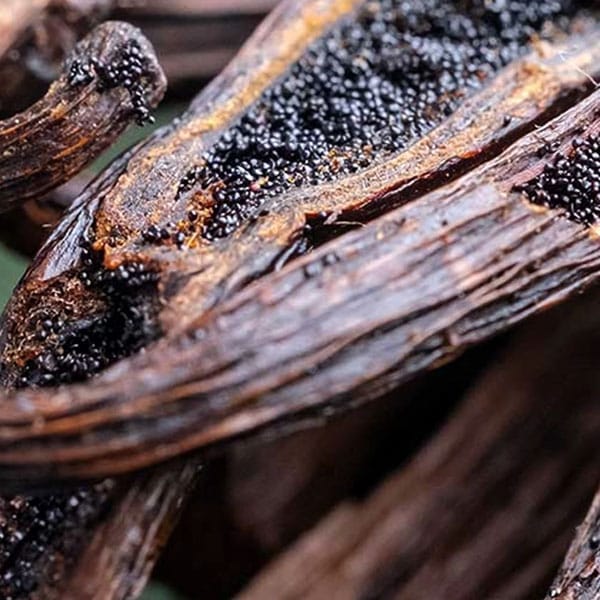
madagascar vanilla
The secret was a tiny, localized pollinator: the Melipona bee, which only lived in Mexico. For a deep dive into the fascinating history of this era and the initial spice trade, you can read more about how vanilla came out of Mexico.
The global vanilla monopoly remained Mexican until the 1840s, when a 12-year-old enslaved boy named Edmond Albius, living on the neighboring Indian Ocean island of Réunion (then called Île Bourbon), discovered a practical method for hand-pollinating the vanilla orchid using a simple wooden stick. This manual technique changed the global food industry forever. The practice quickly spread from Réunion to the much larger neighboring island of Madagascar, where the soil and weather conditions were waiting to trigger an agricultural explosion.
The SAVA Region: The Heartbeat of Global Vanilla
You cannot talk about madagascar vanilla without talking about the SAVA region. Located in the northeastern corner of the country, SAVA is an acronym derived from its four principal towns: Sambava, Antalaha, Vohémar, and Andapa.
This specific geographical pocket is often referred to as the “Vanilla Coast.” If you were to design the absolute perfect ecosystem for the Vanilla planifolia orchid to thrive, it would look exactly like SAVA.
Sambava and Antalaha: These coastal cities act as the primary commercial hubs and processing centers. The warm, humid ocean breezes provide the consistent moisture the orchids crave.
Vohémar: Located further north, it offers a slightly different soil composition that contributes to the robustness of the local vines.
Andapa: Situated inland in a lush basin surrounded by high mountains, Andapa acts as a highly fertile, rain-drenched cradle for massive agricultural output.
The SAVA region provides a combination of loamy, well-draining soil, dense shade from the rainforest canopy, and a tropical climate with a distinct dry season that triggers the orchids to bloom. It is an environment so perfectly tuned for this crop that no other region on earth has been able to match its natural yield efficiency.
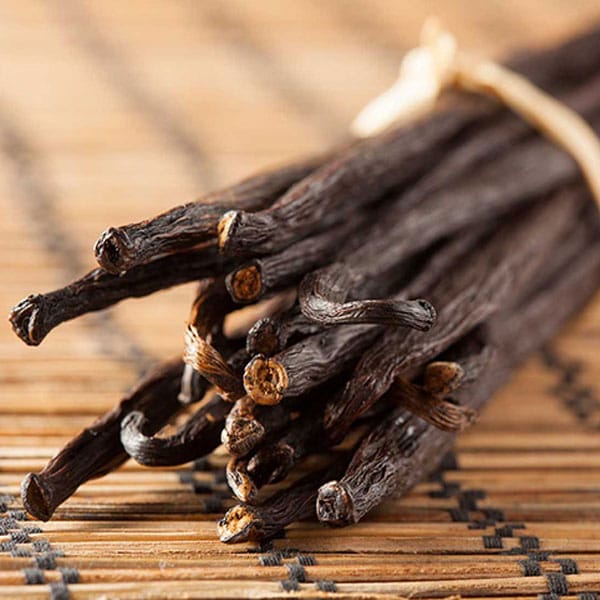
madagascar vanilla
An Unbelievably Labor-Intensive Process
While the climate is perfect, the real reason Madagascar retains its crown is its deeply ingrained agricultural workforce. Vanilla is one of the most labor-intensive crops in the world. Because the Melipona bee does not exist in Madagascar, every single vanilla blossom must still be pollinated by hand, utilizing the exact method Edmond Albius invented over 180 years ago.
The flowers open for only a few hours on a single day of the year. Farmers in the SAVA region must walk their plots daily during the blooming season, painstakingly pollinating hundreds of flowers by hand before midday.
Once harvested, the green, completely odorless beans undergo a grueling, months-long curing process. This involves blanching the beans in hot water, wrapping them in blankets to “sweat” in the sun, and then slowly drying them in the shade for weeks. This traditional curing process is what develops the natural vanillin compound, giving madagascar vanilla its signature dark brown color and intoxicating aroma. The generational knowledge required to perfectly cure these beans without letting them mold or dry out completely is a heavily guarded local skill.
Market Dominance and the Gold Standard of Flavor
The sheer volume of Madagascar vanilla exports dictates the global market price for the spice. When a cyclone hits the SAVA region, the entire world’s baking, cosmetic, and fragrance industries feel the shockwave, often resulting in massive price spikes.
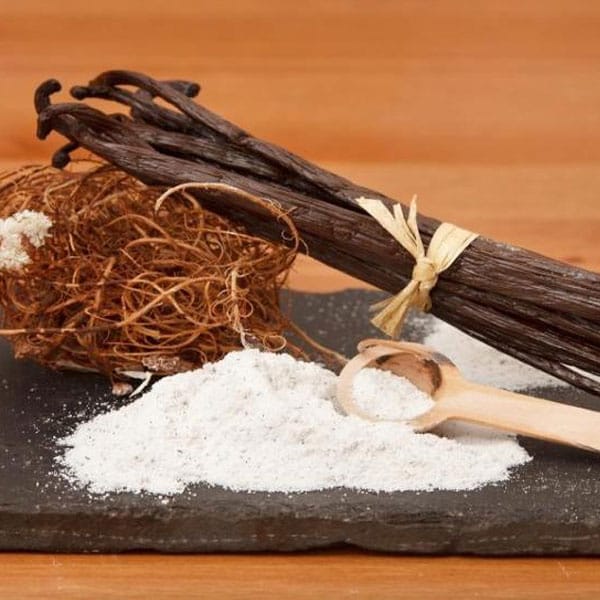
madagascar vanilla
Culinary professionals and massive food conglomerates continually choose madagascar vanilla (often referred to as Bourbon vanilla) over other varieties because of its highly highly desirable flavor profile. It is incredibly rich in vanillin, offering a classic, creamy, sweet, and slightly woody flavor that pairs perfectly with everything from high-end chocolates to everyday baked goods.
While other regions like Tahiti or Uganda produce incredible vanilla with more floral or earthy notes, the Madagascar profile is what the modern consumer’s brain associates with the word “vanilla.” For a comprehensive botanical breakdown and chemical specification of the different regional beans, you can check our complete vanilla origin record.
Madagascar grows almost half the world’s vanilla because it possesses an irreplaceable combination: the absolute ideal terroir of the SAVA region and a massive, highly skilled workforce willing to undertake the painstaking, hand-crafted process required to bring the world’s favorite flavor to life.
Records mentioned in this article
Frequently Asked Questions
The high cost is directly related to the extreme labor required to produce it. Every single vanilla orchid must be pollinated by hand on the specific morning it blooms. After a nine-month growing period, the beans undergo a complex, daily curing and drying process that takes several more months. The sheer amount of human handling dictates its premium price.
SAVA is an acronym for the four main towns in northeastern Madagascar: Sambava, Antalaha, Vohémar, and Andapa. This specific region produces the vast majority of Madagascar’s vanilla—and therefore a massive portion of the global supply—because its tropical humidity, loamy soil, and specific rainfall patterns create the perfect microclimate for the vanilla orchid.
Yes, in the modern spice trade, they are generally the same. The term “Bourbon vanilla” originates from the Île Bourbon (now called Réunion), a neighboring island where the hand-pollination technique was invented. Today, the term applies to Vanilla planifolia grown in the Indian Ocean islands, with Madagascar being the overwhelming primary producer. It does not contain any bourbon whiskey.