
If you walk into any modern kitchen, open the spice cabinet, and take a deep breath, you will likely catch the warm, woody, and comforting scent of cinnamon. Today, it is a humble pantry staple, casually sprinkled over oatmeal, swirled into lattes, and baked into holiday pastries. But if you were to travel back to Europe during the Middle Ages, that same jar of spice would be worth its weight in silver.
The cinnamon history trade is not a peaceful tale of agricultural exchange. It is a thrilling saga of corporate espionage, fabricated myths, bloody conquests, and ruthless monopolies. For centuries, the true origin of cinnamon was one of the most closely guarded trade secrets in the world. Merchants intentionally lied to the buyers, emperors funded massive naval fleets to find it, and entire nations were subjugated just to control its harvest.
To understand how cinnamon actually got to Europe, we have to look past the myths and trace the scent back to the very people who lied about where it came from.
Fishing Nets and Giant Birds
In antiquity and the early Middle Ages, Europeans were completely obsessed with cinnamon. It was used in religious ceremonies, as a high-status flavoring for the wealthy, and even in medicinal remedies to ward off the plague. Roman Emperor Nero notoriously burned a year’s worth of Rome’s cinnamon supply at his wife’s funeral to mask the scent of her decay and flex his incredible wealth.
But here was the catch: the Romans, the Greeks, and later the medieval Europeans had absolutely no idea where the spice actually came from.

cinnamon history trade
The supply chain was strictly controlled by Arab and Somali merchants who acted as middlemen. These traders knew a fundamental rule of economics: mystery creates value. If European buyers knew that cinnamon grew on trees on a tropical island, they might try to sail there and cut out the middlemen. To prevent this, the traders invented wildly elaborate lies.
The Greek historian Herodotus recorded one of the earliest fables, claiming that giant, terrifying birds used cinnamon sticks to build their nests on sheer, unclimbable cliff faces. To get the spice, people supposedly had to leave heavy chunks of meat at the base of the cliffs. The birds would carry the meat to their nests, which would then collapse under the weight, sending the cinnamon tumbling to the ground.
By the Middle Ages, an even more specific and bizarre narrative took hold. Arab traders convinced European buyers that cinnamon was not harvested from trees at all. Instead, they claimed it washed down the perilous, uncharted headwaters of the Nile River. According to this fabricated medieval story, local laborers had to stand waist-deep in the treacherous waters and cast massive fishing nets at the source of the Nile to catch the cinnamon bark as it floated downstream.
It was a brilliant lie. It made the spice sound incredibly dangerous and difficult to procure, easily justifying the astronomical prices demanded in European markets.
Qazwini’s Geographical Breakthrough
While Europeans were passing around tales of Nile river nets and giant birds, the Islamic Golden Age was fostering real scientific and geographical documentation.
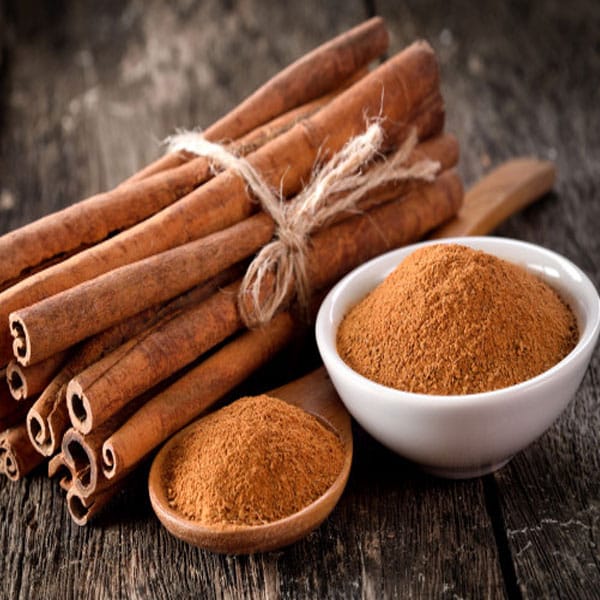
The secret of cinnamon’s true origin could not stay hidden forever. The first definitive, documented mention of where true cinnamon (Cinnamomum verum) actually thrived came from the brilliant Persian cosmographer and geographer Zakariya al-Qazwini.
cinnamon history trade
Around the year 1270, Qazwini published his masterwork, Athar al-Bilad wa-Akhbar al-Ibad (Monuments of the Lands and Historical Traditions about Their Peoples). In this text, he finally shattered the myth for the scholarly world. Qazwini documented that cinnamon did not wash down a river in Africa, but was rather native to a distant, lush island in the Indian Ocean known as Ceylon—modern-day Sri Lanka.
He accurately described the environment required for the spice to flourish. If you want to understand the meticulous modern process of where it actually grows, you can still see the remnants of the exact same agricultural ecosystem that Qazwini identified over seven centuries ago. His writings proved that cinnamon was botanical, not magical, but it would take a few more centuries before European navigators could act on this knowledge.
The Era of Monopolies: Venice, Portugal, and Holland
Knowing where cinnamon came from and actually controlling it were two very different things. As Europe transitioned into the Renaissance, the demand for spices skyrocketed, leading to a brutal relay race of monopolies.
The Venetian Chokehold
Before European explorers mapped the sea routes to Asia, the Republic of Venice held a massive monopoly over the European spice trade. Venice strategically allied itself with the Mamluk Sultanate in Egypt. The Arab traders would bring Sri Lankan cinnamon across the Indian Ocean to the Red Sea, transport it overland to Alexandria, and sell it to the Venetians.
Venice then distributed the spice across Europe at a staggering markup. The Venetians grew obscenely wealthy, building their floating city of marble and gold entirely on the back of the spice trade. The rest of Europe, sick of paying Venice’s extortionate prices, decided they needed to find their own way to the source.
The Portuguese Conquest
The desire to bypass the Venetian monopoly literally launched the Age of Discovery. When Portuguese explorer Vasco da Gama successfully navigated around the Cape of Good Hope and reached India in 1498, the game changed forever.
By 1518, the Portuguese arrived on the shores of Ceylon. They didn’t just want to trade; they wanted total dominance. The Portuguese constructed heavily fortified coastal forts and forced the Sinhalese king to pay a massive annual tribute in cinnamon. They took brutal control of the Salagama—the traditional caste of Sri Lankan cinnamon peelers—forcing them into harsh labor quotas to feed the European demand. For nearly a century, Portugal held an iron grip on the cinnamon trade, aggressively sinking rival merchant ships that dared to enter their waters.
cinnamon history trade
The Dutch Takeover
Monopolies breed envy. In the early 17th century, the Dutch East India Company (VOC)—arguably the first multinational megacorporation in history—set its sights on Ceylon.
The Dutch allied with the Kingdom of Kandy (the inland Sri Lankan rulers who hated the Portuguese) to drive the Portuguese out. By 1658, the Dutch successfully expelled the Portuguese, but instead of liberating the island, they simply installed themselves as the new, even more ruthless monopolists.
The VOC systematized the cinnamon trade to an industrial scale. To keep prices artificially high in Europe, they would occasionally perform a shocking economic maneuver: if the supply of cinnamon was too high, the Dutch would intentionally burn massive warehouses full of the spice in Amsterdam. The scent of burning cinnamon would waft across the city—a perfumed reminder of corporate greed. They also mandated the death penalty for anyone caught illegally selling or exporting even a single cinnamon stick from Ceylon.
The Fall of the Monopolies and the Modern Spice
The Dutch monopoly eventually crumbled in the late 18th century. The British Empire, expanding its naval supremacy, captured Ceylon in 1796. However, by the time the British took over, the global landscape had changed.
Botanists and smugglers had successfully transplanted cinnamon seeds to other tropical regions, including Java, the Seychelles, and the Caribbean. Furthermore, the cheaper (though sharper and less delicate) Cassia cinnamon from China and Indonesia began flooding the global market. When you look at the cinnamon record, the timeline clearly shows how the 19th century transformed cinnamon from an exclusive imperial asset into a globally cultivated commodity.
The British officially deregulated the cinnamon trade in Ceylon in 1833, ending centuries of violent monopolies.
From Imperial Gold to Your Coffee Cup
The next time you sprinkle cinnamon on your food, pause for a moment to consider its journey. You are consuming a spice that generated wild fables of giant birds, drove explorers across uncharted oceans, funded empires, and sparked bloody wars. The story of how cinnamon got to Europe is a profound reminder of human curiosity, greed, and our endless pursuit of flavor. We no longer need to cast nets into the Nile to find it, but its rich history remains as potent as its aroma.
Records mentioned in this article

Frequently Asked Questions
Yes! Because global geography was largely a mystery to the average European before the 14th century, and because Arab merchants guarded their trade routes so fiercely, fantastical stories about the Nile or giant birds were widely accepted as fact by both buyers and early historians.
Beyond its use as a flavor and meat preservative, cinnamon was a status symbol. The supply chain was incredibly long—involving multiple middlemen across the Indian Ocean, the Middle East, and Mediterranean ports—with each trader adding their own markup. The artificial monopolies kept supply low and demand high.
Three factors: The British military ousted them from Sri Lanka, the spice was successfully smuggled and grown in other parts of the world (ending the geographic monopoly), and cheaper Cassia cinnamon became widely available as an alternative, permanently driving down the price of true Ceylon cinnamon.