The Silk Road did not just transport textiles; it established saffron as a global luxury commodity, shaping centuries of culinary, medicinal, and economic traditions across continents. Today, understanding these ancient trade routes provides vital context for buyers looking to source the most authentic, high-quality threads from traditional growing regions. At OriginAndSource, we map these historical footprints to bring clarity, transparency, and expert insight into modern product origins and global sourcing.
Saffron at a Glance: Key Facts for Buyers & Businesses
| Category | Details |
|---|---|
| Botanical Name | Crocus sativus L. |
| Primary Origins | Iran (90%), Afghanistan, Spain, Kashmir (India), Greece |
| Active Compounds | Crocin (color), Picrocrocin (flavor), Safranal (aroma) |
| Grading Standards | ISO 3632 (Category I–III based on crocin, picrocrocin, safranal levels) |
| Common Grades | Sargol (all-red threads), Negin (premium long threads), Pushal (red + some yellow) |
| Retail Price Range (2026) | 8– 15/gram (premium), 500 – 500– 3,000/kg (bulk, B2B) |
| Key Quality Indicators | Deep red color, minimal yellow threads, strong aroma, moisture <12%, no additives |
| Shelf Life | 2–3 years (airtight, cool, dark storage) |
| Culinary Uses | Paella, risotto, Persian rice, desserts, teas |
| Health Benefits | Antioxidant, mood support, potential anti-inflammatory properties* |
| Buying Tips for Consumers | Buy threads (not powder), check ISO cert, test 2–3 threads in warm water |
| Sourcing Tips for Businesses | Request lab reports (ISO 3632), verify origin docs, sample before bulk orders |
Saffron at a Glance: Key Facts for Buyers & Businesses. Origin, grades, 2026 prices, and purity checks — the essentials for both home and bulk saffron buyers, in one table. Columns: Category, Details. Botanical Name — Crocus sativus L.. Primary Origins — Iran (90%), Afghanistan, Spain, Kashmir (India), Greece. Active Compounds — Crocin (color), Picrocrocin (flavor), Safranal (aroma). Grading Standards — ISO 3632 (Category I–III based on crocin, picrocrocin, safranal levels). Common Grades — Sargol (all-red threads), Negin (premium long threads), Pushal (red + some yellow). Retail Price Range (2026) — 8– 15/gram (premium), 500 – 500– 3,000/kg (bulk, B2B). Key Quality Indicators — Deep red color, minimal yellow threads, strong aroma, moisture <12%, no additives. Shelf Life — 2–3 years (airtight, cool, dark storage).
Long before modern supply chains and digital marketplaces, global trade was driven by the weight of spices. Among them, saffron held a unique position. It was not just a flavoring agent; it was a currency, a medicine, a sacred dye, and a status symbol. The journey of saffron along the Silk Road—the ancient network of trade routes connecting the East and West—fundamentally transformed how the world valued agricultural commodities.
Understanding how saffron moved across these ancient routes is not just a history lesson. For modern buyers, chefs, and sourcing professionals, the legacy of the Silk Road directly influences where the best saffron is grown today, how it is graded, and why origin matters more than ever.
Tracing Saffron’s Journey
While botanists and historians debate whether Crocus sativus first bloomed in Bronze Age Greece or ancient Persia, there is no debate about how it conquered the world: the Silk Road.
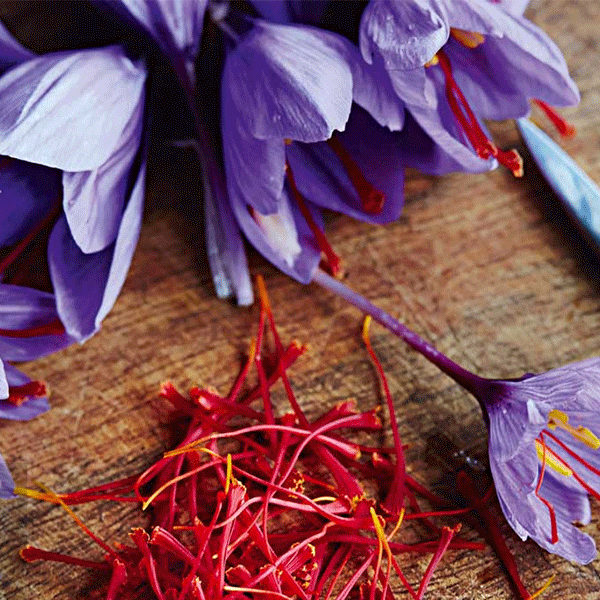
Persian merchants were instrumental in cultivating and trading the spice. They wove saffron into their carpets, steeped it in their teas, and most importantly, packed the dried crimson stigmas into saddlebags. From the Iranian plateau, saffron traveled eastward into Kashmir and China, and westward toward the Mediterranean.
Saffron origin
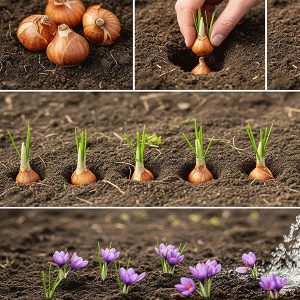
When you look at the primary saffron-producing regions today—Iran, Spain, India (Kashmir), and Greece—you are essentially looking at a map of historical trade hubs. The Silk Road did not just move the harvested spice; it moved the corms (bulbs) and the agricultural knowledge required to grow them, establishing new “terroirs” that still dominate the market.
How the Silk Road Shaped Saffron’s Value
To understand why saffron remains the most expensive spice in the world, we have to look at how ancient merchants valued it. The sheer logistics of moving a delicate, labor-intensive product across thousands of miles dictated a strict quality control system.
Merchants quickly realized that adulteration was the greatest threat to their profits. Because saffron was often used as a diplomatic gift or a high-value trade commodity, authenticating the spice became a crucial skill. They evaluated the physical characteristics—the deep red color, the distinct hay-like aroma, and the bitter taste—long before modern laboratories could measure crocin (color), safranal (aroma), and picrocrocin (flavor).
This historical demand for purity established the baseline for how we grade saffron today. The ISO 3632 standard, which modern suppliers use to certify quality, is essentially a scientific formalization of the sensory tests Silk Road merchants developed centuries ago.
Saffron Culture and Facts: Trace the fascinating journey of saffron from ancient cultivation to modern culinary mastery.
Ancient Trade vs. Modern Sourcing
| Aspect | The Silk Road Era | Modern Global Sourcing | Buyer Takeaway |
|---|---|---|---|
| Primary Hubs | Persia, Kashmir, Mediterranean ports. | Iran (produces ~90%), Spain (major packager), Kashmir, Afghanistan. | Always trace the origin. A “packaged in” label does not mean “grown in.” |
| Authentication | Sensory evaluation (smell, visual inspection of threads, water tests). | ISO 3632 lab testing for crocin, safranal, and picrocrocin levels. | Request lab reports from suppliers, but always perform visual and aroma checks. |
| Logistics & Time | Months or years via caravans, risking moisture and quality degradation. | Air freight and climate-controlled shipping. | Buy current crop year (freshness matters). Older threads lose potency. |
| Format | Whole threads only, to prevent tampering. | Threads, powder, liquid extracts. | Buy whole threads (Sargol or Negin grades). Powder is easily adulterated. |
Lessons from the Ancients
For modern consumers and commercial buyers, the most frequent challenge is making a confident purchasing decision in a market flooded with counterfeits (like dyed corn silk or safflower). The principles established on the Silk Road still apply to sourcing authentic saffron today.
When evaluating a supplier or a retail product, consider these historical quality markers:
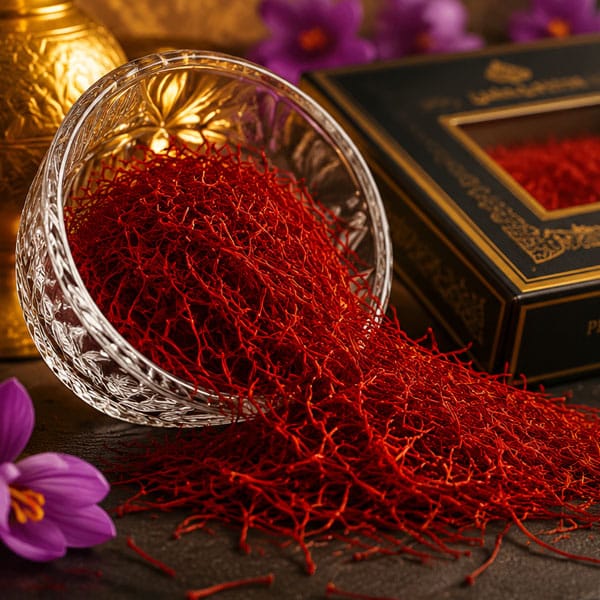
The Origin Tells a Story: Just as ancient buyers sought Persian or Kashmiri saffron for its distinct qualities, modern buyers should look for specific regional designations. Different climates produce different chemical profiles. Kashmiri saffron tends to have thicker stigmas and a darker hue, while Persian (Iranian) saffron is renowned for its intense aroma and high crocin levels.
Saffron origin
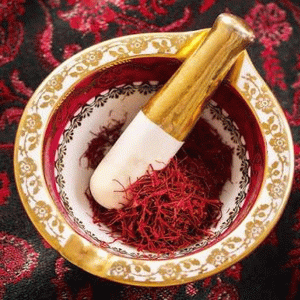
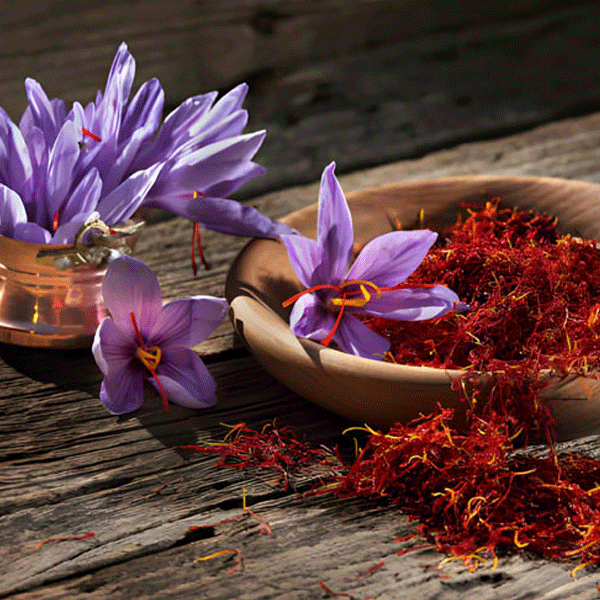
The Anatomy of the Thread: Silk Road merchants knew that the yellow style attached to the red stigma held no culinary value. Today, premium grades like Negin or Sargol consist only of the red stigma tips. If your saffron has a lot of yellow or white material, you are paying luxury prices for dead weight.
The Water Test: A classic ancient method for detecting fake saffron is steeping it in water. Authentic saffron will slowly release a golden-yellow hue while the thread itself remains red. Fake, dyed saffron will rapidly turn the water red and the thread will lose its color, turning white or translucent.
The Continuing Legacy
The Silk Road may no longer exist as a physical caravan route, but its impact on the saffron trade is permanent. It turned a delicate flower into a global economic force and established quality standards that we still rely on. By understanding the historical journey of saffron, modern buyers can navigate the complexities of sourcing, avoid common pitfalls, and ensure they are investing in the genuine “red gold” that captivated the ancient world.
Records mentioned in this article
Frequently Asked Questions
While the exact botanical origin is debated (likely Greece or the Iranian plateau), the Silk Road did not create saffron. However, the trade route was entirely responsible for its global distribution, carrying the bulbs to new regions like Kashmir and China where it is still cultivated today.
Its value stemmed from its extreme labor intensity—it takes about 75,000 hand-picked blossoms to produce just one pound of dried saffron. Combined with its high demand as a potent dye, medicinal ingredient, and culinary luxury, its scarcity drove its price to rival gold.
Saffron relies heavily on terroir—the climate, soil, and traditional farming techniques of a region. Regions that were historically established along the Silk Road, such as Iran and Kashmir, possess centuries of specialized agricultural knowledge and ideal microclimates, consistently yielding the highest chemical profiles for color and aroma.