Every spice rack holds a small piece of a story about empire, greed and patience, and few spices carry that story as clearly as the humble clove. The oldest clove tree Afo, which still stands on the volcanic slopes of Ternate in eastern Indonesia, is more than a botanical curiosity. It is a living witness to the years when a few tiny islands were worth more than entire kingdoms, and to the daring theft that finally made cloves cheap enough for ordinary kitchens. If you have ever wondered where the flavor in your gingerbread, your chai or your Indonesian kretek tradition began, the answer starts under the branches of this single, ancient tree.
Meet Afo, the Oldest Clove Tree in the World
Afo grows on the slopes of Mount Gamalama, the cone-shaped volcano that dominates the island of Ternate in the North Maluku archipelago. Local tradition and most published accounts estimate its age at somewhere between 350 and 400 years, which means it was already a mature tree when the Dutch were tightening their grip on the region in the seventeenth century. Age estimates for trees like this are never exact, since no one can core a protected, revered tree to count its rings, so it is wise to treat the figure as a well-supported tradition rather than a laboratory result.
What makes Afo remarkable is not only its age but its survival. Clove trees are generally productive for a few decades and are rarely expected to reach such an age, so a tree that has endured centuries of eruptions, colonial clearing campaigns and changing farmland feels almost impossible. Standing in front of it, you notice the thick, weathered trunk and the dense, glossy evergreen crown, and you understand why generations of islanders have treated it with respect rather than as a tourist stop. The tree has long been part of local life, and the old custom of planting a clove tree when a child is born, so that the child and the tree grow up together, shows how deeply the spice is woven into family memory on these islands.
Why a Few Small Islands Once Ruled the World’s Spice Trade
To understand why Afo matters, you have to understand how strange the geography of cloves once was. For most of recorded history, cloves grew in only a handful of tiny volcanic islands in the Moluccas, including Ternate and its neighbor Tidore. Traders carried the dried flower buds across the Indian Ocean to India, Arabia, Egypt and eventually Europe, where they were used to flavor food, preserve meat, perfume rooms and treat toothaches. Because the supply came from such a small and distant source, prices in Europe climbed to extraordinary levels.
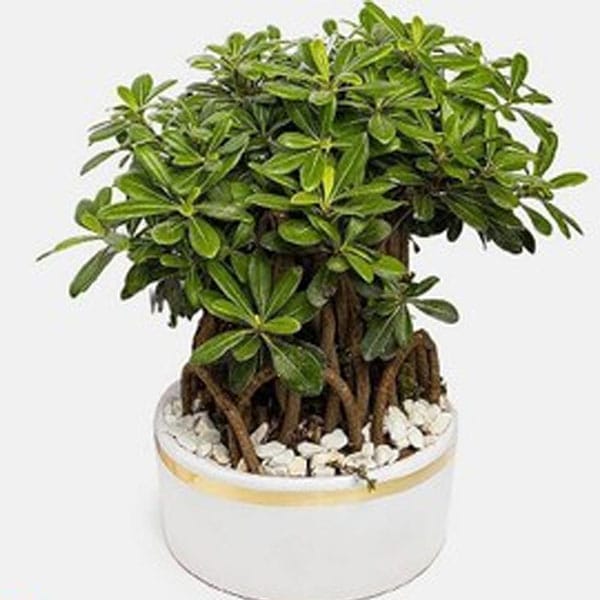
oldest clove tree afo
When the Dutch East India Company arrived with ships, guns and an appetite for control, it decided that the surest way to keep prices high was to control production itself. Cultivation was concentrated on a few islands under company supervision, and clove trees elsewhere were hunted down and destroyed during regular expeditions, with villagers forced or paid to comply. Planting a clove tree outside the permitted zone could become a serious offense. It was a brutal and remarkably effective system, and it explains why a surviving tree like Afo feels so symbolic. If you want the wider background on how this arrangement was built and why it eventually cracked, the story of the monopoly the Dutch could not hold is the natural place to begin before you return to this one.
The Theft That Ended a Monopoly
Monopolies built on a living plant carry a built-in weakness: a seed or a seedling can travel in a pocket. The man most associated with this breakthrough is Pierre Poivre, a French administrator posted to Mauritius, then known as the Isle de France. Poivre had spent years obsessing over the idea that French colonies could grow the spices the Dutch guarded so jealously, and he organized expeditions to the Moluccas to obtain living plants while avoiding Dutch patrols.
In 1770, after earlier attempts had failed, French expeditions succeeded in carrying clove seedlings, along with nutmeg, out of the Dutch-controlled spice islands. The seedlings were nursed across the sea and planted in Mauritius, and from there the spice began its journey around the world. The details of who carried what, and exactly which tree supplied which seedling, are tangled in the retelling, and it would be wrong to claim that Afo itself was the parent of those plants. What is well documented is the outcome, which was that the Dutch could no longer claim to be the only gatekeepers of cloves. For a precise timeline of dates, routes and names, the clove record is worth keeping open in another tab while you read.
From Mauritius to the Rest of the World
Once cloves were growing outside the Moluccas, the old scarcity could not last. The plants spread from Mauritius and Seychelles to French holdings in the Atlantic world, including French Guiana, then Martinique and Saint-Domingue, where early plantings gave European powers a spice supply they controlled themselves. In the following decades cloves reached East Africa, and the islands of Zanzibar and Pemba eventually became some of the largest producers of cloves in the world. Prices fell, supply became more reliable, and the spice moved from a luxury of the rich to a pantry staple.
The irony is that the place where cloves began lost the commercial advantage that had made it famous. Yet it kept something the plantations of the Indian Ocean never had, which is continuity. Maluku farmers still grow cloves, still dry them on mats in the sun, and still treat the harvest as a seasonal rhythm that shapes village life. If you want to see where the island itself fits into that larger map of spice-trade geography, the story of Ternate and its neighboring islands gives that context in more depth.
What Visiting the Oldest Clove Tree Afo Is Actually Like
For readers who dream of seeing the tree in person, a few practical points will save you time. Ternate is reached by a short flight or ferry connection through North Maluku, and the island is small enough that local drivers can take you to the tree in a morning. Ask for the tree by the name Afo, because local guides know it immediately, and hire a local guide if you can, since they often know the family stories and the current rules around visiting.
Go early in the day, when the air on the volcano’s slopes is cooler and the light filters through the leaves. Wear shoes with good grip, because the paths can be slippery after rain, and bring water, since little is sold close to the tree. Be respectful: do not pick leaves or buds, do not climb on the roots, and ask before photographing people nearby. If you time your trip around the clove harvest, you may see buds being picked and laid out to dry, and the sweet, sharp smell that fills a village during that season is one of the most memorable sensory experiences in Indonesia.
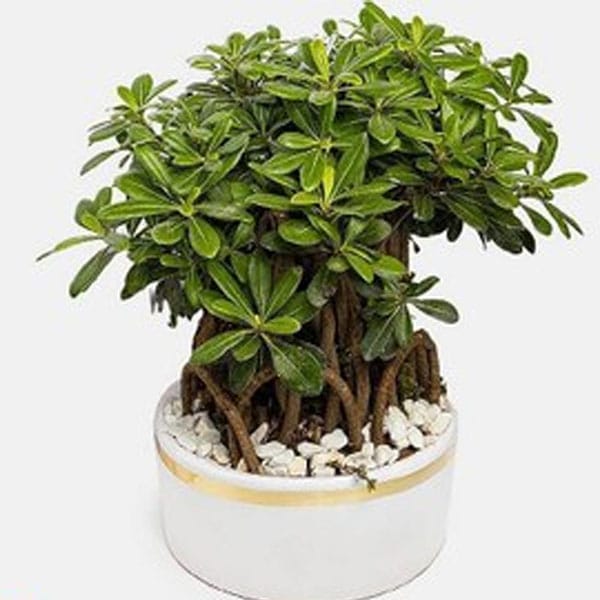
oldest clove tree afo
How to Bring the Story Into Your Own Kitchen
You do not need to travel to Ternate to appreciate what Afo represents, because every jar of whole cloves in your kitchen is a small descendant of that history. The best way to honor it is simply to cook with the spice well, and a few habits make a real difference.
Buy whole cloves rather than ground. Whole buds keep their aromatic oils far longer, and you can grind them fresh in a mortar when you need them.
Choose plump, dark brown buds with a slight oily sheen. Dry, shriveled cloves have usually lost most of their flavor.
Use them sparingly. Cloves are powerful, and a few buds will flavor a whole pot of rice, stew or mulled drink.
Pair them thoughtfully. They shine with cinnamon, cardamom, star anise and citrus, and they add depth to braised meats, pickling brines, baked fruit and hot spiced tea.
Store them well. Keep them in an airtight jar away from heat and light, and they will stay fragrant for a year or more.
Why This Story Still Matters
The legend of the oldest clove tree Afo endures because it connects three ideas that still feel modern: that a single plant can reshape global trade, that control over a resource rarely lasts forever, and that a quiet act of curiosity or daring can change the price of everything on the table. The Dutch built an empire of enforcement around a flower bud, and in the end it was a few small seedlings, carried quietly across the ocean, that undid it.
Next time you drop a clove into a pot of tea or press one into an orange, think of the tree on Ternate that has been there through all of it, drying its buds in the sun while empires rose and fell around it. That is the real flavor of the spice, and it is worth tasting slowly.
Records mentioned in this article

Frequently Asked Questions
Afo is traditionally estimated to be between 350 and 400 years old. It grows on the slopes of Mount Gamalama on the island of Ternate in North Maluku, Indonesia. Because the tree is protected and revered, no one has counted its rings, so the figure is best understood as a well-supported local estimate rather than a scientifically dated result.
The monopoly depended on keeping clove cultivation limited to a few islands under Dutch control, and on destroying trees planted anywhere else. It began to break down in 1770, when French expeditions organized by Pierre Poivre succeeded in carrying clove seedlings out of the Moluccas. The seedlings were planted in Mauritius and later spread to other tropical regions, including Zanzibar and Pemba. Once cloves were growing outside the Dutch-controlled zone, the Dutch could no longer keep prices artificially high.
Yes, visitors can see Afo on Ternate, which is reachable by a short flight or ferry connection within North Maluku. Hiring a local guide is recommended, since guides know the tree by name, understand the current visiting rules, and can share the family stories connected to it. Going early in the morning is best, when the volcano's slopes are cooler, and visitors should avoid picking leaves or buds and should not climb on the roots.