Safflower is a vibrant, thistle-like plant that has its own legitimate uses in cooking and oil production, but it is notoriously mis-sold to unwary buyers as “cheap saffron.” While it can give your rice a beautiful yellow-orange hue, it completely lacks the complex, sweet-earthy aroma and distinct flavor of authentic saffron threads. Here at OriginAndSource, we regularly help buyers understand these crucial visual and sensory differences so they can source ingredients confidently and never overpay for an imitation.
Saffron at a Glance: Key Facts for Buyers & Businesses
| Category | Details |
|---|---|
| Botanical Name | Crocus sativus L. |
| Primary Origins | Iran (90%), Afghanistan, Spain, Kashmir (India), Greece |
| Active Compounds | Crocin (color), Picrocrocin (flavor), Safranal (aroma) |
| Grading Standards | ISO 3632 (Category I–III based on crocin, picrocrocin, safranal levels) |
| Common Grades | Sargol (all-red threads), Negin (premium long threads), Pushal (red + some yellow) |
| Retail Price Range (2026) | 8– 15/gram (premium), 500 – 500– 3,000/kg (bulk, B2B) |
| Key Quality Indicators | Deep red color, minimal yellow threads, strong aroma, moisture <12%, no additives |
| Shelf Life | 2–3 years (airtight, cool, dark storage) |
| Culinary Uses | Paella, risotto, Persian rice, desserts, teas |
| Health Benefits | Antioxidant, mood support, potential anti-inflammatory properties* |
| Buying Tips for Consumers | Buy threads (not powder), check ISO cert, test 2–3 threads in warm water |
| Sourcing Tips for Businesses | Request lab reports (ISO 3632), verify origin docs, sample before bulk orders |
Saffron at a Glance: Key Facts for Buyers & Businesses. Origin, grades, 2026 prices, and purity checks — the essentials for both home and bulk saffron buyers, in one table. Columns: Category, Details. Botanical Name — Crocus sativus L.. Primary Origins — Iran (90%), Afghanistan, Spain, Kashmir (India), Greece. Active Compounds — Crocin (color), Picrocrocin (flavor), Safranal (aroma). Grading Standards — ISO 3632 (Category I–III based on crocin, picrocrocin, safranal levels). Common Grades — Sargol (all-red threads), Negin (premium long threads), Pushal (red + some yellow). Retail Price Range (2026) — 8– 15/gram (premium), 500 – 500– 3,000/kg (bulk, B2B). Key Quality Indicators — Deep red color, minimal yellow threads, strong aroma, moisture <12%, no additives. Shelf Life — 2–3 years (airtight, cool, dark storage).
If you have ever wandered through a bustling spice bazaar in Istanbul, Dubai, or even a local specialty market, you have likely seen it: massive, vibrant mounds of red-orange threads labeled simply as “Saffron,” being sold for a fraction of what you would expect to pay.
As sourcing experts, we see this scenario play out constantly. Eager buyers think they are getting the deal of a lifetime on the world’s most expensive spice. Unfortunately, what they are actually buying is safflower.
But what exactly is safflower? Is it dangerous? And more importantly, how can you train your eye to instantly tell the difference between the real deal and the imposter? Let’s break down the reality of the “fake saffron” trade.
What Actually is Safflower?
Safflower (Carthamus tinctorius) is a highly branched, herbaceous, thistle-like annual plant. It is cultivated primarily for the vegetable oil extracted from its seeds (safflower oil).
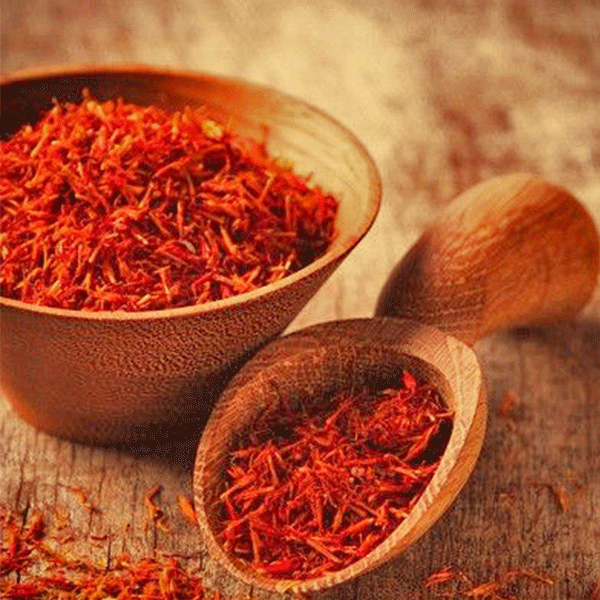
Safflower vs saffron
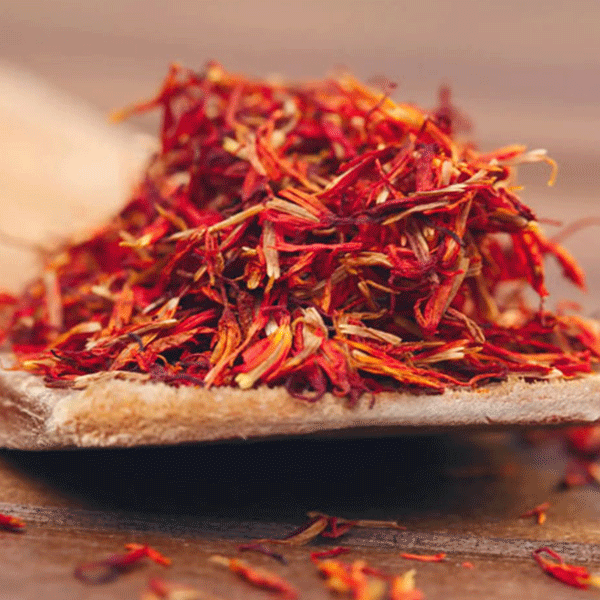
However, the plant produces vibrant yellow, orange, and red flowers. Historically, these dried flower petals were used heavily in the textile industry as a natural dye before synthetic dyes took over. Today, in the culinary world, these dried petals are often sold as a cheap alternative to saffron—sometimes honestly labeled as “Turkish Saffron” or “Mexican Saffron,” but very often dishonestly marketed simply as pure saffron.
To be clear: Safflower is completely safe to eat. The problem isn’t the plant itself; the problem is the deception in the supply chain.
Saffron Culture and Facts: Uncover the ancient origins, hidden trade secrets, and enduring legacy of the world’s most coveted red gold.
Safflower vs. Genuine Saffron
| Feature | Safflower (“Fake Saffron”) | Genuine Saffron (Crocus sativus) |
|---|---|---|
| Botanical Source | Petals of a thistle-like flower. | Stigmas (threads) of the autumn crocus flower. |
| Appearance | Frizzy, thin, hair-like petals. Mostly uniform red/orange. | Trumpet-shaped threads, slightly thicker at one end. Deep crimson red. |
| Aroma | Very faint, slightly grassy, or completely odorless. | Strong, complex, floral, earthy, and honey-like. |
| Flavor Profile | Almost entirely tasteless. | Distinctive, slightly bitter, earthy, and highly aromatic. |
| Water Test Result | Releases red/orange color instantly, loses its own color quickly. | Releases a golden-yellow hue slowly (10+ mins). Threads stay red. |
| Market Price | Very cheap (dollars per ounce). | Extremely expensive (often $50+ per quarter-ounce). |
How to Spot the Imposter: The Sourcing Expert’s Guide
If you are buying spices in bulk or just looking for a jar for your kitchen, you cannot rely on packaging alone. Unscrupulous vendors sometimes even mix 80% safflower with 20% real saffron to pass a casual smell test.
Here is how you can practically test your product:
1. The Shape Test (Visual Inspection)
Look closely at the individual pieces. Real saffron is the stigma of a flower. It looks like a tiny trumpet or a golf tee—narrow at the bottom and flared at the top. Safflower, on the other hand, consists of shredded flower petals. It looks like chaotic, flat, tiny little hairs or frizzy strings.
2. The Cold Water Test (The Ultimate Dealbreaker)
Take a couple of threads and drop them into a small glass of cold water or milk.
If it’s Safflower: The water will turn a dull red or orange almost instantly, and the physical petal will turn white or pale pink as the dye washes out.
If it’s Real Saffron: The liquid will very slowly develop a vibrant, glowing golden-yellow color (this takes about 10 to 15 minutes). Most importantly, the saffron thread itself will remain a dark, rich red color.
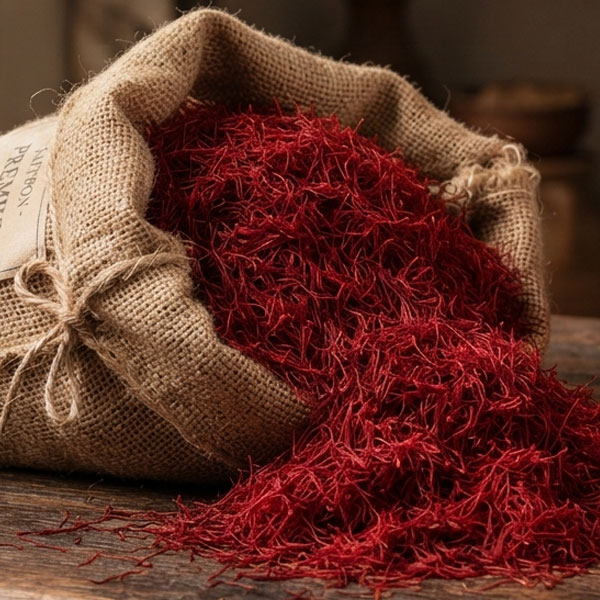
Safflower vs saffron
3. The Taste and Smell Test
Put a single thread on your tongue. Real saffron has a distinct, slightly astringent, bitter taste accompanied by a massive burst of floral aroma in your nose. Safflower will taste like chewing on a piece of dried grass or paper. It offers no culinary flavor upgrade to your dish.
[Image Placeholder: Two small glass bowls of water. One showing the instant red bleed of safflower, the other showing the slow golden bloom of real saffron. No text on the image.]
Should You Ever Buy Safflower?
Absolutely—as long as you know what you are buying and pay a fair price for it.
If you are cooking a large batch of rice or making a broth and simply want a beautiful, appetizing yellow-orange color without breaking the bank, safflower is a fantastic, natural food coloring. It is widely used in global cuisines specifically for this purpose.
The golden rule of product sourcing is transparency. Buy safflower when you need a colorant. Buy authentic saffron when you need that unforgettable, luxurious flavor. Just never let a vendor charge you saffron prices for safflower petals.
Records mentioned in this article
Frequently Asked Questions
Visually, yes. Flavor-wise, no. Safflower will dye your food a similar color to saffron, but because it is almost flavorless, it will not replicate the distinct, earthy-sweet taste required in dishes like Paella, Risotto Milanese, or authentic Persian rice.
Harvesting real saffron is incredibly labor-intensive. It takes roughly 75,000 crocus flowers to produce just one pound of saffron spice, and every single delicate stigma must be hand-picked during a short harvesting window in the autumn. Safflower grows easily and yields a massive amount of petals per plant with far less manual labor.
Yes. Dried safflower petals are a completely food-safe botanical used worldwide. While you may have lost money on a bad deal, eating the safflower in your cooking will not harm you; it will simply fail to flavor your food.