If you have ever opened a jar of ground allspice and thought, “this smells exactly like cloves,” you are in good company, because even experienced home cooks mix these two spices up, especially when a recipe calls for one and the pantry only holds the other. They sit side by side on the shelf, they both show up in pumpkin pie and mulled cider, and they both deliver that warm, sweet, slightly medicinal aroma that says “holiday kitchen.” Yet they are not the same thing, and treating them as interchangeable without understanding the difference is how a delicate ham glaze ends up tasting like a dentist’s office. Before we compare them, it helps to know where cloves come from, and the clove record is a good place to start.
The reason the confusion is so persistent comes down to chemistry rather than carelessness. Both spices are rich in a fragrant molecule that gives them their signature warmth, and the compound they share is responsible for that overlapping scent, so your nose is not lying to you when it detects a resemblance. What your nose cannot tell you is that the two spices are built very differently around that common core, which is why one is sharp and numbing while the other is rounded and layered.
Two Different Plants From Two Different Genera
Cloves are the dried, unopened flower buds of Syzygium aromaticum, an evergreen tree originally native to the Maluku Islands of Indonesia. Allspice, by contrast, is the dried, unripe berry of Pimenta dioica, a tree native to the Caribbean and Central America, with Jamaica being its most famous source. Both trees belong to the myrtle family, which explains some of the family resemblance in aroma, but they sit in entirely different genera, so they are cousins rather than siblings. In practical terms, one spice is a flower bud and the other is a fruit, and that single fact explains most of what you will notice in your kitchen.
cloves vs allspice
Why They Smell Alike: The Eugenol Connection
Eugenol is the dominant aromatic compound in clove oil, where it makes up the large majority of the oil, and it is also a major component of allspice oil. That shared molecule produces the sweet, warm, slightly peppery scent that people describe as “clove-like” in both spices. The difference is that cloves are almost all eugenol, while allspice carries a wider supporting cast of other aromatic compounds, which gives it hints of cinnamon, nutmeg, and black pepper. This is exactly why the old kitchen shorthand says allspice tastes like “all the spices at once,” even though it is a single ingredient.
How They Taste Different
Cloves are intense, pungent, and slightly numbing on the tongue, with a bitter edge that can dominate a dish within seconds if you are heavy-handed. A single whole clove in a pot of rice or a studded onion can flavor the whole pot, which tells you how little you actually need. Allspice is gentler and more rounded, with a sweet, fruity warmth up front and a peppery finish that makes it equally comfortable in savory and sweet cooking. If cloves are a solo trumpet, allspice is a small brass ensemble, and that is the easiest way I have found to explain it to people who are cooking with both for the first time.
How to Tell Them Apart by Sight
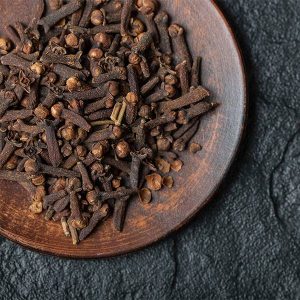
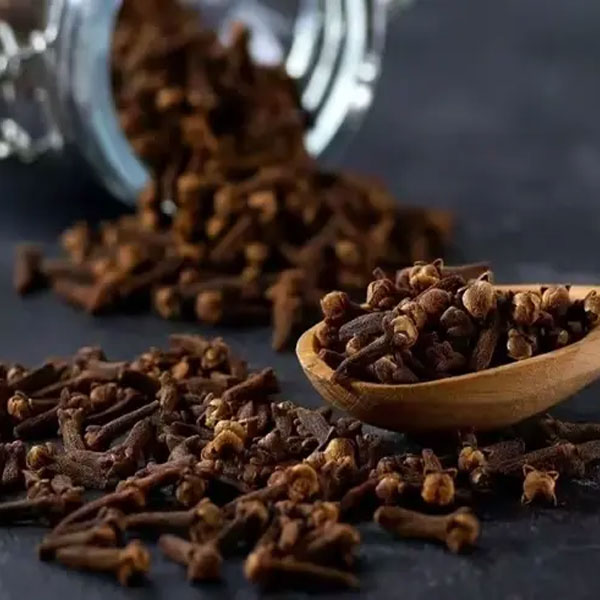
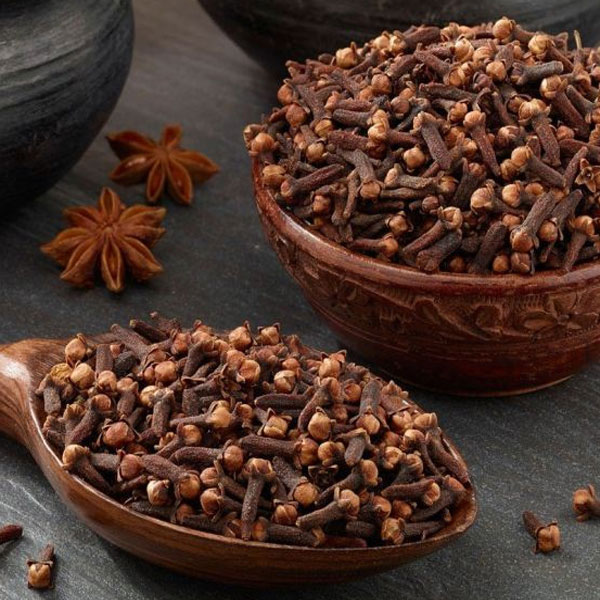
Whole cloves look like tiny nails, with a slender brown stem and a round little head, and they are usually about half an inch long. Whole allspice berries look like large, dark brown peppercorns, round and slightly rough, and they are noticeably bigger than a peppercorn. Once ground, both turn into similar dark brown powders, so I strongly recommend labeling your jars, because telling them apart by color alone is nearly impossible.
Cloves vs Allspice Substitution Ratio
This is the question most people actually came here for, so here are the numbers, along with the reasoning behind them.
Substituting allspice for cloves: use an equal amount, so 1 teaspoon of ground allspice replaces 1 teaspoon of ground cloves. Because allspice is milder, you can go up to about 1¼ teaspoons if you want a stronger flavor, but expect a softer, more rounded result with less of the sharp bite.
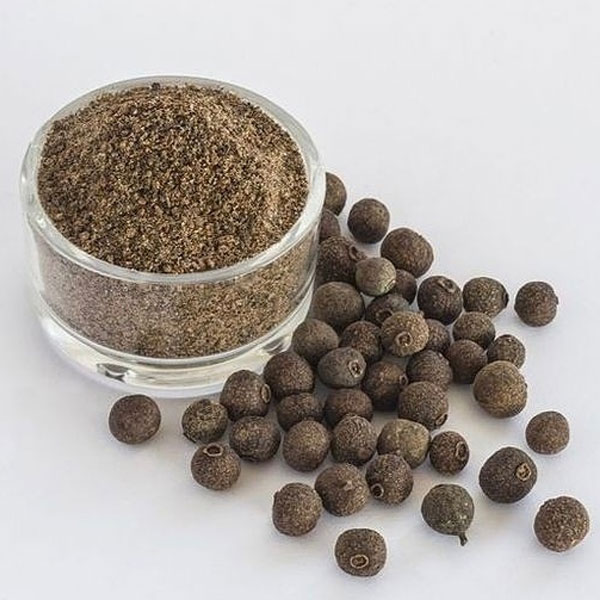
cloves vs allspice
Substituting cloves for allspice: use about one quarter to one half of the amount, so for every 1 teaspoon of allspice, start with ¼ teaspoon of ground cloves. Cloves are far more potent, and overshooting the amount is the most common mistake. For a closer match, mix ¼ teaspoon of cloves with ½ teaspoon of cinnamon and a small pinch of nutmeg, which rebuilds the layered character that allspice naturally has.
A useful rule is to start small and taste as you go, because you can always add more spice but you cannot take it out of a simmering pot.
When You Should Not Swap Them
Some dishes depend on the specific personality of one spice. Jamaican jerk seasoning, for example, leans on allspice for its backbone, and cloves would push it in a medicinal direction. Likewise, a classic studded ham or an oranges-and-cloves pomander relies on the sharp, penetrating quality that only cloves provide. In baking, where proportions are fixed, swap carefully and in the ratios above, and consider the swap a close approximation rather than a perfect match.
Once you understand that these two spices share a scent but not a personality, you can use each one with confidence, reaching for cloves when you want sharp, concentrated warmth and for allspice when you want a rounder, more forgiving sweetness. If you want to see how professionals balance them, explore blends that use both, where you will notice that cooks rarely treat the two as stand-ins for each other but as partners that cover different corners of the same warm flavor.
Records mentioned in this article

Frequently Asked Questions
No, it is a single dried berry. The name comes from its flavor, which resembles a blend of cinnamon, nutmeg, and cloves.
Yes, noticeably, which is why the substitution ratio is not one to one in both directions.
You can, but use far fewer, and remove them before serving, since biting into a whole clove is an unpleasant surprise.