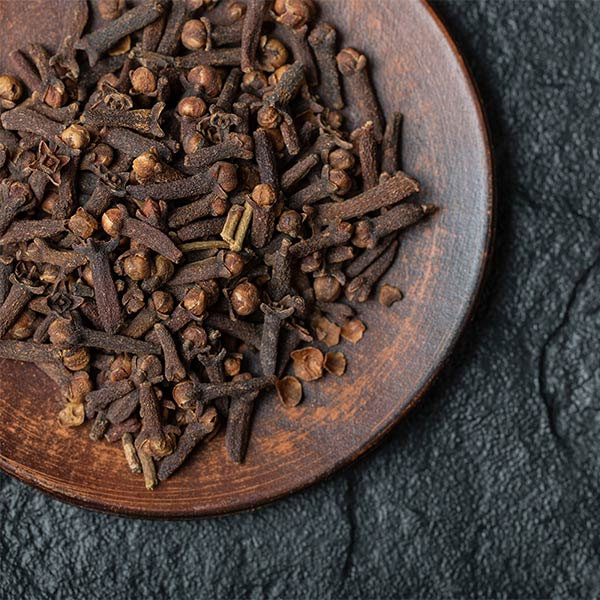
Open a jar of cloves that has sat in the back of your cupboard for a few years and you will often get a faint, dusty whiff that reminds you of nothing in particular. Open a fresh jar and the smell hits you at once: sweet, warm, peppery, almost medicinal, with a slight numbing edge. That difference is the whole story of this guide. Cloves are among the most intense spices in your kitchen, but that intensity is fragile. If you want to know how to store cloves so they keep their punch, the answer comes down to protecting a small amount of aromatic oil from air, heat, light and moisture. This is a practical walkthrough of what works, what doesn’t, and how to tell when it’s time to buy a new jar. If you’re curious about where this remarkable little bud comes from, the clove record is a good place to start before you reorganise your spice shelf.
Buy whole cloves, and keep them whole
The single most useful decision you can make about cloves happens at the shop, not in your pantry. Whole cloves hold their flavour far better than powder, and the reason is simple. A whole clove is a sealed, dense little bud, so its aromatic compounds are locked inside. Once a clove is ground, every particle exposes fresh surface to the air, and the smell begins to escape from the first day.
If you want the full comparison of how the two forms behave in the kitchen, this breakdown of whole against ground covers it in detail. For storage purposes, the takeaway is straightforward. Whole cloves are the safer buy for anyone who doesn’t cook with cloves every week. When a recipe calls for powder, grind a few cloves just before you need them. A small dedicated spice grinder, or even a mortar and pestle, will give you a far more fragrant result than anything pre-ground that has been sitting in a jar.
how to store cloves
What actually makes cloves lose their punch
Four things strip cloves of their character, and almost every storage mistake traces back to one of them.
Air: Oxygen slowly dulls the aroma. A jar that is opened often, or one that never quite closes properly, loses flavour faster.
Heat: A spice rack beside the cooker is convenient and a poor choice. Warmth coaxes the aroma out of the clove, and it doesn’t come back.
Light: Strong sunlight or bright kitchen lighting speeds up the decline, which is why a clear jar on a sunny windowsill looks pretty and does your cloves no favours.
Moisture: Steam from a pot or a damp spoon introduces water into the jar, which can make cloves clump and spoil.
None of these is dramatic on its own. Together, over months, they turn a vivid spice into a bland one.
The best way to store cloves at home
Here is a simple routine that costs almost nothing:
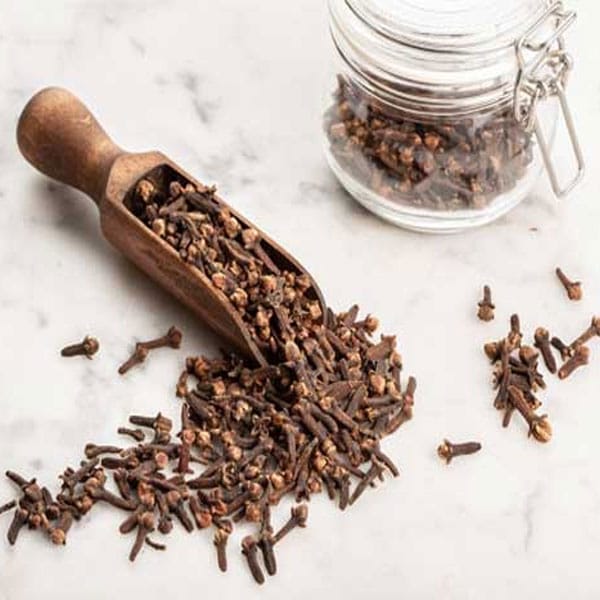
Use an airtight container: A small glass jar with a tight lid, or a good metal tin, works well. Choose a size that fits the quantity, because a half-empty large jar holds more air than you want.
Keep it somewhere cool, dark and dry: A closed cupboard or drawer away from the cooker, kettle and dishwasher is ideal.
Never shake cloves straight over a steaming pot: Steam rises into the jar and works its way into the remaining spice. Tip them into your hand or a dry spoon first.
Label the jar with the date you bought it: It takes ten seconds and removes all the guesswork later.
Buy modest amounts: A small jar that you finish while it is still lively is better than a large bag that slowly fades.
Cloves are also forgiving in one respect. They don’t need the refrigerator, and fridge storage can introduce condensation each time you take the jar out, which is exactly the moisture you’re trying to avoid.
How to tell when your cloves have gone stale
Cloves rarely “go off” in a dangerous sense. They simply lose what made them worth using. Two quick checks tell you almost everything.
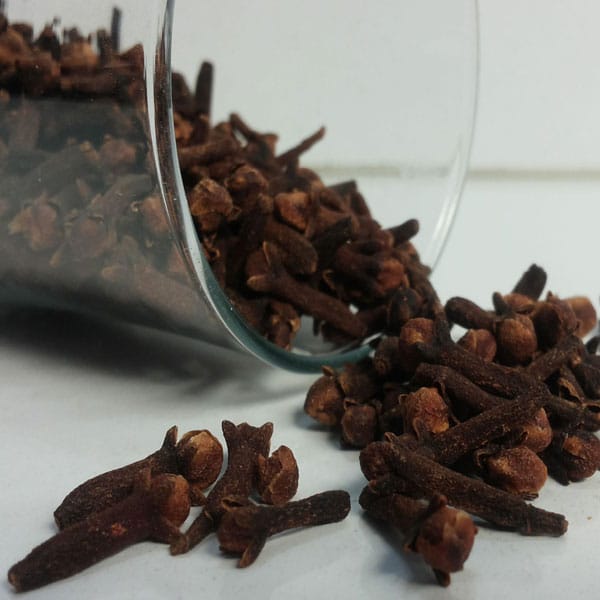
how to store cloves
The smell test: Rub one clove between your fingers and sniff. Fresh cloves smell strong, sweet and sharp straight away. If you have to strain to pick up any scent, the spice is past its best.
The oil test: This is the more telling one. A good clove carries a small amount of natural oil, and the oil that carries the smell is what gives it its warmth and bite. Press a clove firmly with your fingernail. On a fresh bud you may see a slight oily sheen or feel a little give. If the clove is bone dry and brittle, with no trace of oil, most of the flavour has already gone.
If both tests come back weak, don’t bother adding extra cloves to compensate. A recipe that needs a pinch of lively cloves will not taste the same with a handful of tired ones, and you risk adding bitterness without the aroma. Replace them.
How long do cloves actually last?
It is easy to find confident numbers online, but many are repeated without a source, so it is worth sticking to what manufacturers actually state. McCormick, one of the best-known spice producers, gives 2 to 3 years for ground spices and 3 to 4 years for whole spices, provided they are kept in tightly closed containers away from heat, moisture and direct sunlight. For cloves specifically, McCormick Culinary lists a shelf life of 1,440 days for its whole cloves when the container is kept tightly closed in a cool, dry place, which works out to roughly four years.
Treat these figures as the outer limit for quality, not a promise. The date on a jar is about flavour rather than safety, and how you store the spice matters as much as the calendar. If you cook with cloves often and want the best flavour, use them well before the end of that window.
Common mistakes to avoid
Storing cloves above the cooker: It is the most common spot and the worst one for aroma.
Buying ground cloves “just in case:” If you only need them for the occasional bake, you will probably throw most of the jar away.
Leaving the lid loose: A lid that doesn’t seal fully lets the aroma out and the air in.
Mixing cloves into a large jar of other spices. Cloves are strong and can perfume their neighbours.
Ignoring the date: Without one, you won’t know whether the jar is one year old or five.
Records mentioned in this article

Frequently Asked Questions
It isn’t necessary. A cool, dark, dry cupboard is enough for whole cloves, and repeated trips in and out of the freezer can add moisture.
You can, and they won’t harm you, but expect a weaker result. Use them in long simmers, such as mulled drinks or stock, where you can taste and adjust.
Only as a stopgap. A rigid, airtight jar protects the cloves from being crushed and keeps air out more reliably.