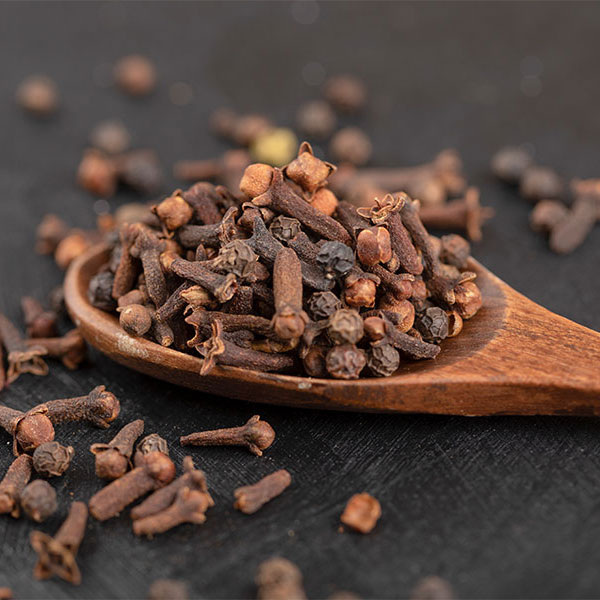
Pick up a whole clove and hold it in your palm. You’ll see a small, dark, rough stem topped with a tiny ball, and it looks a lot like a miniature nail. That resemblance is not a coincidence. It is the whole reason the spice has its name, and it also explains why an old English word like gillyflower shows up in cookbooks, poems, and gardening books.
clove means “nail”
The English word clove comes from the Latin clavus, which means “nail.” Medieval French speakers called the spice clou de girofle, literally “nail of clove.” Over the centuries, English speakers shortened the phrase and softened the sound until only clove remained.
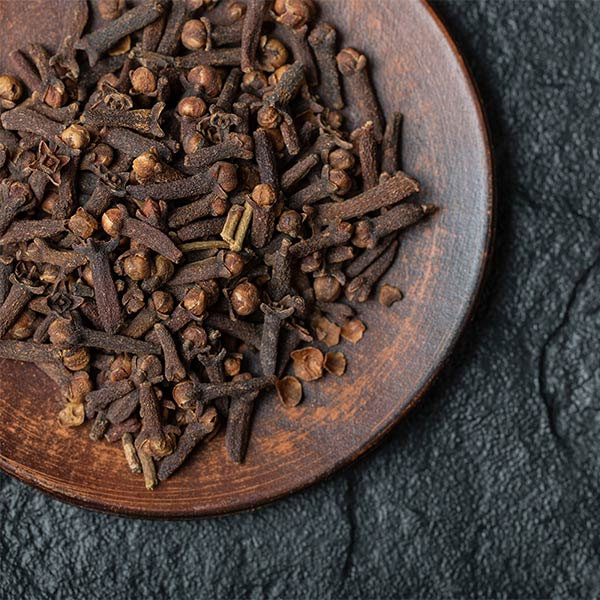
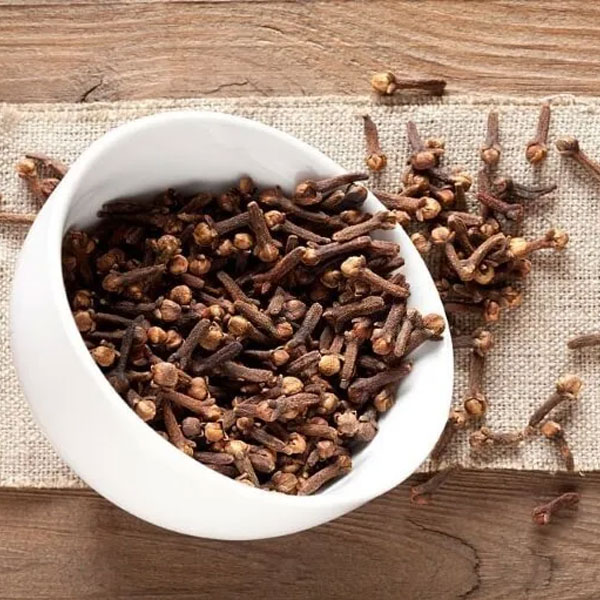
If you’ve ever wondered why a spice would be named after hardware, the answer is in the shape. The clove is the dried, unopened flower bud of the tree Syzygium aromaticum. When it dries, the bud forms a round head on top of a narrow stalk. Early traders had no botanical vocabulary for it, so they described what they saw, and what they saw was a tiny nail.
Try this at home: Lay a few whole cloves on a white plate next to a small finishing nail. The family resemblance is hard to miss, and it makes the etymology easy to remember.
clove name origin etymology
Where the word gillyflower comes in
Here is the part that surprises most people. Before clove became the standard name, English speakers also used a word that now sounds more like a garden flower than a spice: gillyflower.
The word traces back through Old French (girofle) and Latin to the Greek karyophyllon, which combines karyon (nut) and phyllon (leaf). The Greek name originally referred to the clove itself. That is why the French name for the spice still sounds so different from the English one, and why girofle appears inside the older phrase clou de girofle.
So in its earliest sense, a gillyflower was simply a clove. The word comes from the same family as the spice name, and the two traveled together through the languages of Europe.
How a spice name became a flower name
Over time, people began applying gillyflower to flowers that smelled like cloves. The most famous are the pinks and carnations (genus Dianthus), along with some wallflowers and stocks. If you have ever crushed a petal of a garden pink and noticed a warm, spicy fragrance, you already know why people made the connection.
The botanical name of the clove pink, Dianthus caryophyllus, still carries the old Greek word. It is a good example of language preserving an idea long after everyday speech has moved on.
That is the full path: a clove-scented flower was called a gillyflower because the spice came first, and the spice name came from a Greek word for the leaf or flower it resembled. The result is a name that looks like it belongs to a garden but began in a spice market.
A different clove: garlic
If you cook, you may be thinking, “But I use cloves of garlic too.” That is a separate word. A garlic clove comes from Old English clufu, related to the verb cleave, meaning to split. It describes a segment that splits away from the bulb. The spice clove, by contrast, is the nail-shaped one.
clove name origin etymology
The two words became identical in spelling only by accident. That is a useful distinction to know when a recipe says “two cloves,” and a good trivia point at the dinner table.
Why the origin of the name still matters
Knowing the etymology is more than a fun fact. It helps you do a few practical things:
Identify the real spice. If you understand that the name describes a dried bud shaped like a nail, you can quickly tell whole cloves from broken pieces or stems. A good whole clove should have an intact head and a firm stalk.
Read older recipes with confidence. Historical cookbooks sometimes mention gillyflower, girofle, or clove-scented waters. Now you know these usually point to the same family of aroma.
Connect flavor to scent. The warm, sweet, slightly numbing character of clove comes largely from a compound called eugenol. Clove-scented flowers share part of that fragrance, which is why the old naming overlap made sense to the people who used it.
A quick tasting and smelling exercise
The best way to remember where the name comes from is to experience it:
Look first: Place one whole clove on a plate and notice the nail-like stalk and rounded head.
Smell it whole: The aroma should be warm and sweet, and stronger than you expect from something so small.
Crush it lightl: Pressing it between two spoons releases the oils, and the scent becomes sharper and more peppery.
Compare with a garden pink: If you can find a clove-scented Dianthus, smell it next. The spicy note you detect is the reason the flower inherited the old spice name.
In about two minutes, you will have traced the entire story of the word with your senses.
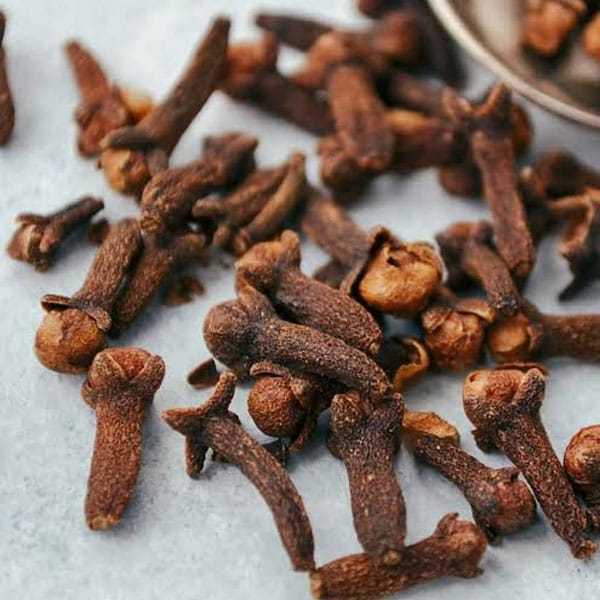
clove name origin etymology
Learn more about the spice itself
If you want to understand the spice before the word, start with what a clove is, which explains the plant, the bud, and how it is harvested and dried. For the full history, origins, and trade background, read the clove record, which collects the details in one place.
A clove is called a clove because it looks like a nail. The Latin clavus became the French clou, and the phrase clou de girofle gradually shrank into the English word we use today. The word gillyflower comes from the same family tree, traveling from the Greek karyophyllon through Old French. It first meant the spice, then came to describe flowers that smell like it.
Next time you drop a whole clove into a pot of rice, a mug of mulled wine, or a studded orange, you are handling an ingredient whose name has crossed Greek, Latin, French, and English, and whose shape still explains it better than any dictionary can.
Records mentioned in this article

Frequently Asked Questions
The word comes from the Latin clavus, meaning “nail,” because the dried flower bud of the clove tree looks like a tiny nail. The French phrase clou de girofle (“nail of clove”) was gradually shortened into the English word “clove.”
It comes from the Old French girofle and the Greek karyophyllon, and it first referred to the clove spice itself. Later, the name was applied to clove-scented flowers such as pinks and carnations (Dianthus).
No. The garlic “clove” comes from the Old English clufu, related to the verb cleave (to split), and describes a segment that separates from the bulb. The two words only ended up with the same spelling by coincidence.