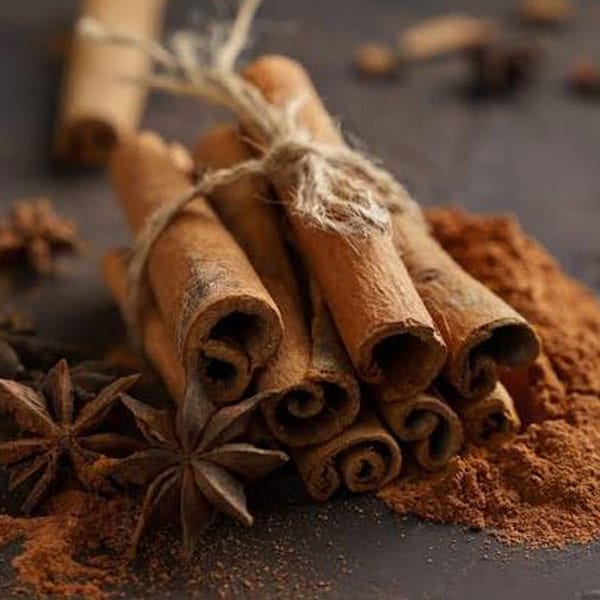
Few sensations in the kitchen rival the sweet, woody, and comforting punch that fills the air when you crack open a fresh jar of cinnamon. Whether you are dusting it over a morning latte, baking an authentic apple pie, or simmering a savory Moroccan tagine, cinnamon relies almost entirely on its volatile oils—most notably cinnamaldehyde—to deliver both fragrance and warmth.
However, many home cooks reach into their spice rack only to find their once-vibrant spice smelling faint, flat, or faintly like dust. Cinnamon rarely spoils in a way that causes food poisoning, but it certainly “dies” in terms of flavor and aroma if mistreated. Grounding your kitchen routine in solid sourcing knowledge—like understanding the botanical origins documented in the cinnamon record—reminds us that real bark carries delicate chemistry worth protecting.
Here is exactly how to store cinnamon—both sticks and ground powder—so it maintains its peak aroma for months and years.
Why Cinnamon Goes Flat
To protect cinnamon, you first need to know what destroys it. The warmth and sweetness of cinnamon come from volatile organic compounds stored inside the cellular walls of tree bark. Once exposed to ambient air, these compounds evaporate or oxidize.
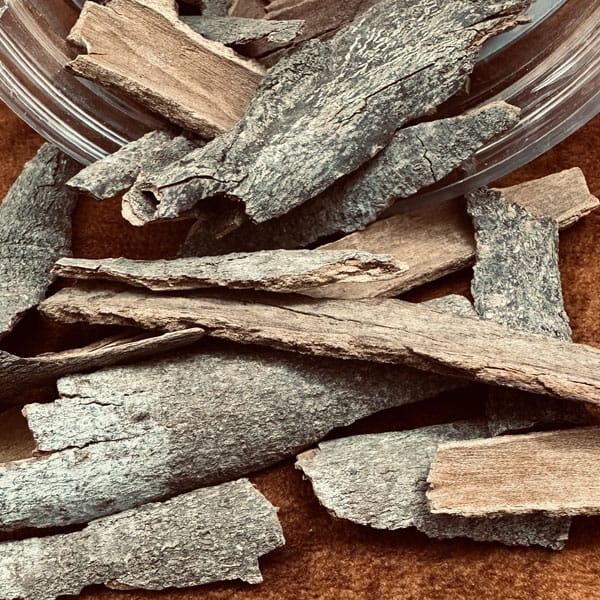
how to store cinnamon
The four primary enemies of cinnamon aroma are:
Air (Oxygen): Accelerates the oxidation of cinnamaldehyde into cinnamic acid, which has far less aroma.
Heat: Causes volatile aromatic oils to vaporize rapidly and leave the spice.
Light (UV radiation): Breaks down the organic pigments and degrades delicate flavor compounds.
Moisture: Causes caking in powder, encourages mold spores, and triggers premature chemical degradation.
Whole Quills vs. Ground Powder: Storage Needs Differ
One common mistake is treating all forms of cinnamon identically. The cellular integrity of the spice dictates how fragile it is.
Because surface area dictates evaporation, powder loses aroma faster than sticks. When cinnamon bark is pulverized into a fine powder, millions of tiny ruptured cells directly meet the air. Its aromatic lifespan drops dramatically compared to whole, tightly rolled bark quills.
1. Storing Whole Cinnamon Sticks (Quills)
Whole sticks—whether brittle, paper-thin Ceylon quills or thick, sturdy Cassia curls—are nature’s vacuum-sealed packaging. Their outer layers shield the interior oils.
Best Container: Glass spice jars with airtight silicone or rubber gaskets, or food-grade tins with deep friction-fit lids.
Ideal Placement: A cool, completely dark kitchen cupboard or pantry pull-out.
Pro-Tip: If buying sticks in bulk, keep a working jar containing 4–5 quills in your daily pantry, and keep the master supply sealed tight in an airtight secondary container elsewhere. Opening the jar every single morning continually introduces fresh air and humidity.
2. Storing Ground Cinnamon Powder
Ground cinnamon is far more reactive. It will greedily absorb ambient kitchen moisture and off-odors from nearby garlic or curry powder.
Best Container: Small, opaque ceramic jars or dark amber/cobalt UV-filtering glass jars. Minimizing headspace inside the container is critical; if you only have an inch of cinnamon left in a giant 16-ounce jar, transfer it to a 2-ounce jar to limit trapped oxygen.
Avoid Shaker Tops: Do not use lids with open shaker perforations for long-term storage. Only use tight, screw-top lids.
The Golden down the organic pigments and degrades delicate flavor compounds.
Moisture: Causes caking in powder, encourages mold spores, and triggers premature chemical degradation.

how to store cinnamon
The Golden Storage Rules Every Cook Must Follow
1. Keep It Away from the Stove Zone
The spice drawer right beside or directly above the stovetop is the most common storage error in home kitchens. The heat and steam from boiling pots drift into open jars, condensing inside. Store your spices in an interior kitchen cupboard that remains at a steady room temperature (ideally between .
The Aroma Scratch-and-Rub Test
Unsure if your cinnamon is still potent? Do not rely solely on color. Pour half a teaspoon into your palm, rub it firmly with your thumb to create friction and slight warmth, and smell it. If you immediately get a rich, sweet, sharp aroma, it is active. If the scent is faint, cardboard-like, or takes concentrated sniffing to detect, the volatile oils have evaporated.
Records mentioned in this article

Frequently Asked Questions
No, dry cinnamon does not become toxic simply by sitting on the shelf. However, if moisture enters the jar, it can develop mold or clump irreversibly. Under dry conditions, it merely loses its essential oils, rendering it odorless and flavorless.
Volatile oils that have evaporated into the air cannot be restored. However, for whole cinnamon sticks that feel dull, you can gently grate the outer bark with a microplane or toast the whole stick in a dry skillet over low heat for 60 seconds to release deeper, unexposed oils.
This happens when high-heat exposure or UV light oxidizes the cinnamaldehyde, leaving behind degraded organic compounds, or when volatile aromas leach through thin plastic containers and absorb ambient cupboard smells. Always choose airtight glass or tin.


