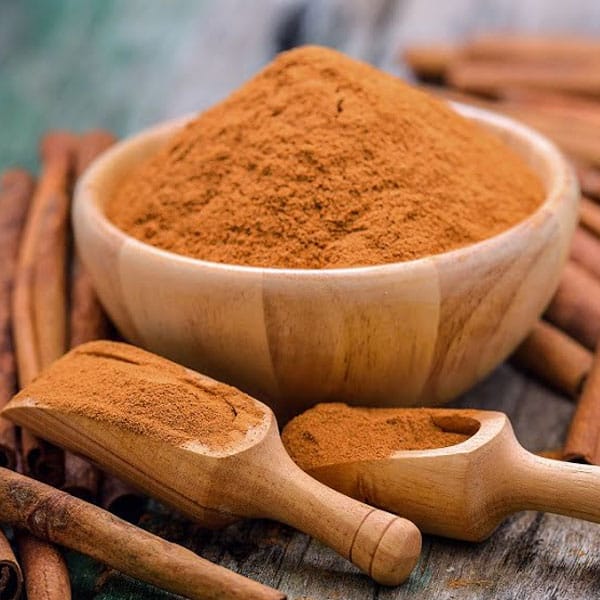
Crack open a fresh quill of cinnamon or pull a batch of spiced rolls straight from the oven, and the air fills with an unmistakable, mouthwatering aroma. It is warm, sweet, slightly woody, and undeniably comforting. For centuries, spice merchants and pastry chefs have prized this sensory profile, but behind that beloved kitchen scent lies a fascinating organic molecule: cinnamaldehyde.
Understanding how cinnamaldehyde in cinnamon works not only demystifies the chemistry of your pantry, but it also helps you choose the right variety for baking, distinguish real spice from synthetic flavoring, and put common safety myths to rest once and for all.
The Molecular Hero: What Is Cinnamaldehyde?
Cinnamaldehyde (chemically designated as trans-cinnamaldehyde) is an organic compound belonging to the phenylpropanoid class. It naturally occurs in the bark, leaves, and twigs of trees within the Cinnamomum genus. When the bark is stripped, cured, and dried into the quills we buy at spice markets, its volatile essential oils concentrate—and cinnamaldehyde constitutes between 65% and 90% of that total essential oil fraction.
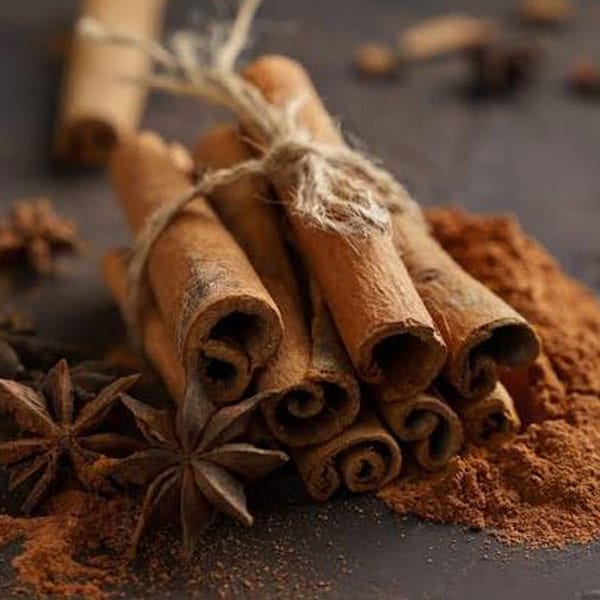
cinnamaldehyde in cinnamon
Visually, pure cinnamaldehyde is a viscous, pale yellow liquid with an oily consistency. It is water-insoluble but blends readily with fats and alcohols. When exposed to heat or air, it evaporates quickly, delivering that vibrant sensory burst directly to your olfactory receptors.
Many people confuse the fragrant punch of cinnamon with its safety warnings, assuming the volatile oil causing the aroma is dangerous. In reality, coumarin is a different compound entirely, bearing a completely different chemical structure, sensory role, and safety threshold. While coumarin remains a legitimate concern in heavy Cassia consumption, cinnamaldehyde is simply the flavor-defining essential oil that nature designed to protect the tree from pests and fungi.
As sourcing data compiled across commercial plantations and documented in the cinnamon record demonstrates, the exact concentration of this volatile oil shifts depending on harvest altitude, tree maturity, and distillation methods. Yet across every commercial species, cinnamaldehyde remains the undisputed foundation of the spice’s identity.
Why Eugenol Changes Everything
While cinnamaldehyde is the lead soloist in the aroma orchestra, it rarely performs alone. The sensory nuance between different types of cinnamon comes down to a secondary powerhouse compound: eugenol.
If you have ever compared cheap supermarket cinnamon sticks to fine Ceylon cinnamon quills, you know their scents are miles apart. Supermarket Cassia punches you in the face with pure, hot, red-candy sweetness, whereas Ceylon presents a delicate, multi-layered perfume with notes of citrus and clove. The balance between cinnamaldehyde and eugenol explains why:
1. Cassia Cinnamon (Cinnamomum cassia, C. burmannii, C. loureiroi)
Cassia varieties dominate the North American and commercial processing markets. Their bark oil is packed almost exclusively with cinnamaldehyde (up to 90–95%), with virtually undetectable amounts of eugenol. This produces a monolithic, direct, and pungent aroma that holds up exceptionally well under prolonged commercial oven temperatures.

cinnamaldehyde in cinnamon
2. Ceylon Cinnamon (Cinnamomum verum)
Native to Sri Lanka, true Ceylon cinnamon contains a more modest ratio of cinnamaldehyde (roughly 50% to 65% in bark oil). The difference is made up by eugenol (often 5% to 10% or more in bark, and dominant in leaf oil) alongside subtle traces of linalool and caryophyllene. Eugenol—the very same compound responsible for the warm, medicinal spice of whole cloves—softens the aggressive bite of cinnamaldehyde, giving Ceylon its sophisticated floral-woody character.
For culinary professionals, this ratio dictates application: heavy doughs and fried pastries benefit from the unyielding cinnamaldehyde load of Indonesian Korintje or Saigon Cassia, while custards, fruit compotes, delicate syrups, and Mexican canela infusions shine under Ceylon’s eugenol-balanced complexity.
Cinnamaldehyde carries no risk of hepatotoxicity (liver damage). It is rapidly metabolized by the human body into cinnamic acid, which is then converted into benzoic acid and excreted naturally. Coumarin, on the other hand, follows a different metabolic pathway in humans that can stress liver function when ingested above recommended European Food Safety Authority (EFSA) limits (0.1 mg per kg of body weight per day).
Cinnamaldehyde makes your food taste and smell amazing; coumarin is the unrelated compound you should monitor if you consume tablespoons of cheap cinnamon daily.
What Cinnamaldehyde Means for Kitchen Performance and Shelf Life
Understanding volatile chemistry translates into practical kitchen habits. Because cinnamaldehyde is an aldehyde, it is inherently reactive and prone to degradation when exposed to its three primary enemies: heat, oxygen, and ultraviolet light.
The Stale Powder Dilemma: When cinnamon is finely ground, its surface area increases exponentially. Cinnamaldehyde slowly oxidizes into cinnamic acid, which is virtually odorless. If your ground cinnamon smells flat, dull, or purely dusty, its cinnamaldehyde has evaporated or oxidized away.
Whole Quills Last for Years: Intact bark quills trap the essential oil inside plant cell vacuoles. As long as the quill remains unbroken and stored in an airtight glass container away from direct sunlight, the cinnamaldehyde stays protected for years.

cinnamaldehyde in cinnamon
The “Blooming” Technique: Because cinnamaldehyde is lipophilic (fat-loving), adding ground cinnamon directly into warm butter, oil, or milk during the initial cooking stage extracts and dissolves the compound far more effectively than sprinkling it into dry flour or cold liquids.
Spotting Artificial Flavoring vs. Whole Spice
Because cinnamaldehyde is relatively inexpensive to synthesize in chemical laboratories from benzaldehyde and acetaldehyde, it is used extensively in mass-market candies, chewing gums, lip-plumping cosmetics, and air fresheners.
However, artificial cinnamaldehyde yields an aggressive, one-dimensional heat—reminiscent of novelty “fireball” candies. Authentic culinary cinnamon always carries trace sesquiterpenes, resins, and companion terpenes (such as pinene, camphene, and eugenol) that temper the burn and round out the finish. Sourcing unadulterated spice ensures you receive the full botanical spectrum rather than an isolated chemical strike.
Records mentioned in this article

Frequently Asked Questions
No. Cinnamaldehyde is an aromatic volatile oil classified as Generally Recognized as Safe (GRAS) by food authorities worldwide. Unlike coumarin, which can cause liver toxicity at high daily doses, cinnamaldehyde is quickly metabolized and eliminated by the body without accumulating in internal organs.
Yes. Cinnamaldehyde is the principal aroma compound in both Ceylon and Cassia varieties. However, Ceylon contains a lower percentage of cinnamaldehyde combined with a significant amount of eugenol, which yields a softer, more complex, and floral aroma compared to the intense, punchy heat of Cassia.
Cinnamaldehyde is a volatile oil that easily evaporates and oxidizes when exposed to air, light, and ambient heat. Once ground, the increased surface area accelerates this loss, turning the active cinnamaldehyde into odorless cinnamic acid. Storing whole quills in airtight containers and grinding on demand preserves the compound longest.