You are deep into a baking project, reaching into the back of your pantry, only to pull out a dusty bottle of vanilla extract or a forgotten tube containing a single, slightly stiff vanilla bean. Before you add it to your batter, the inevitable question stops you in your tracks: does vanilla go bad?
Vanilla is one of the most expensive and cherished spices in the world, so throwing it away is the last thing any baker wants to do. The good news is that true vanilla is incredibly resilient. However, vanilla extract and whole vanilla pods have entirely different lifespans, behaviors, and storage requirements.
Here is the ultimate guide to understanding the shelf life of your vanilla, how to store it correctly, and how to tell if it has actually spoiled.
Does Vanilla Extract Go Bad?
The short answer for pure vanilla extract is no; it does not truly go bad.
Pure vanilla extract is made by macerating cured vanilla beans in a mixture of water and alcohol. By law (in places like the US), pure vanilla extract must contain at least 35% alcohol. This high alcohol content acts as a powerful natural preservative, meaning a bottle of pure vanilla extract will technically last indefinitely. In fact, much like a good bourbon or wine, pure extract can actually age, mellow, and develop a deeper, more complex flavor profile over the years.
does vanilla go bad
Imitation vanilla, on the other hand, is a different story. Made with synthetic vanillin, artificial flavors, and very little to no alcohol, imitation vanilla does have a definitive expiration date. While it won’t necessarily make you sick if used past its prime, it will rapidly lose its flavor and aroma, often leaving a bitter, chemical aftertaste in your baked goods. Usually, imitation vanilla is best used within two to three years of purchase.
Do Vanilla Beans (Pods) Go Bad?
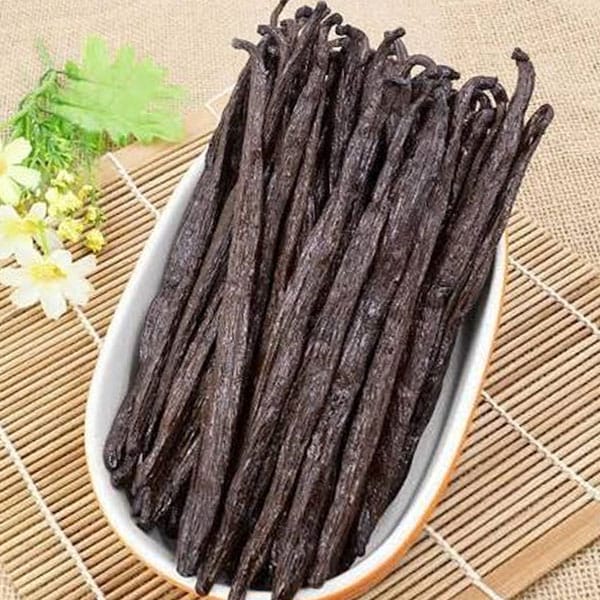
Whole vanilla beans do not expire in the traditional sense, but they are highly susceptible to environmental conditions. A plump, oily, grade-A vanilla pod can easily dry out and become as brittle as a twig if left exposed to air.
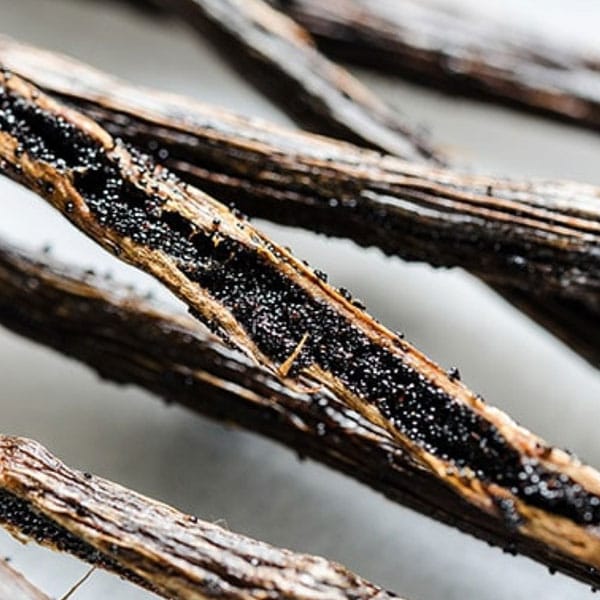
While a dried-out bean isn’t “bad” or unsafe to eat, it becomes very difficult to split and scrape out the precious caviar inside. Even worse, improper storage can lead to the one true enemy of vanilla pods: mold.4
When you are planning your recipes and deciding whether to use vanilla pods, extract, or paste, keeping in mind how long each ingredient maintains its peak freshness in your pantry is crucial.
Crystals vs. Mold: How to Tell the Difference
This is the most common panic-moment for home bakers. You look at your expensive vanilla pod and see white, fuzzy-looking spots. Is it ruined? Not necessarily. You need to know the difference between vanillin crystallization and actual mold.
The Natural Frost (Vanillin Crystals):
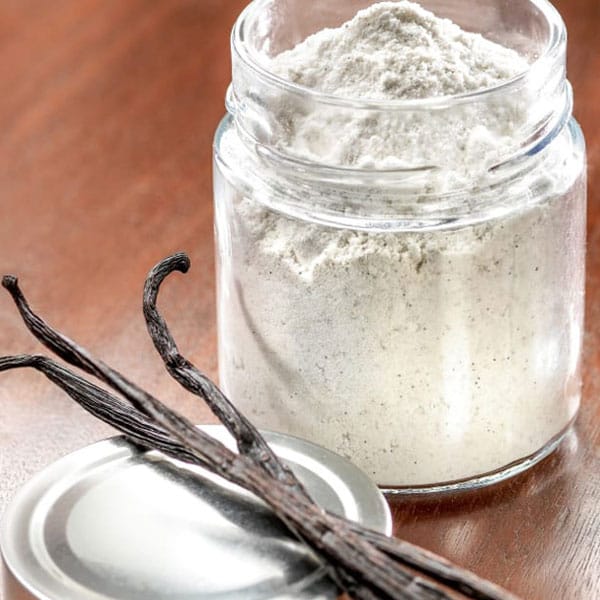
Sometimes, as vanilla beans age, the natural vanillin inside the pod migrates to the surface and crystallizes. This is actually a hallmark of incredibly high-quality, vanillin-rich beans!
Appearance: It looks like a fine, sparkly dusting of snow or tiny diamonds catching the light.
Smell: It will smell intensely and beautifully of pure vanilla.
Verdict: Perfectly safe, highly desirable, and ready to use.
does vanilla go bad
Actual Mold:
Because vanilla beans have a high moisture content (especially Grade A beans), they can grow mold if they are trapped in a humid environment with fluctuating temperatures.
Appearance: Mold looks dull, fuzzy, or spongy. It can be white, green, or black, and it will not sparkle under a light.
Smell: It will have an unmistakable off-odor. It might smell mildewy, sour, or like damp earth, completely masking the vanilla aroma.
Verdict: If your bean has mold, you must throw it away immediately. Do not try to cut around it or wash it off; the mold spores have already penetrated the moist interior of the pod.
How to Store Vanilla Properly
Because extract and pods have completely different moisture levels and chemical compositions, their storage rules are entirely different.
Storing Vanilla Extract
Keeping your extract fresh is incredibly simple. It despises heat and light. Store your bottle in a cool, dark place, such as a pantry cupboard away from the stove, oven, or direct sunlight. Ensure the cap is screwed on tightly after every use to prevent the alcohol from evaporating. Never keep extract in the refrigerator.
Storing Vanilla Beans (Pods)
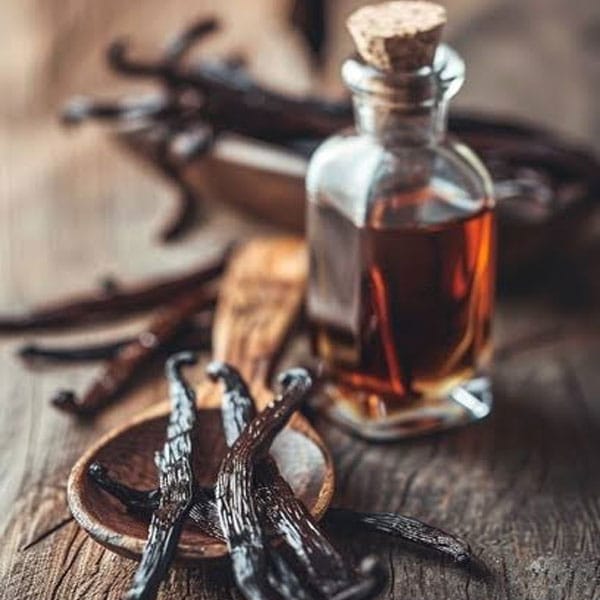
Vanilla beans are delicate and require a “Goldilocks” environment—not too hot, not too cold, and definitely not too dry.
does vanilla go bad
Air is the enemy: Keep your beans in an airtight container. Glass jars with tight-fitting seals or commercial vacuum-sealed pouches are best.
Keep them in the dark: Like extract, pods degrade in sunlight. Keep the jar in a dark pantry or cupboard.
NEVER refrigerate them: This is the most common mistake. The refrigerator will rapidly dry out the beans and, ironically, the fluctuating humidity every time you open the fridge door encourages mold growth.
Air them out: Every few weeks, open the jar for about 10 to 15 minutes to let the beans breathe, then seal them back up. This prevents the trapped moisture from turning into mold.
How to Save a Dried-Out Vanilla Bean
If you failed to store your beans properly and they turned into stiff, dry sticks, do not throw them away! You can easily rehydrate them. Simply submerge the dry bean in a small jar of warm milk or water for a few hours before you plan to use it. Alternatively, drop the dry bean into a jar of granulated sugar, leave it for a few weeks, and you will have created incredible homemade vanilla sugar.
To dive deeper into the fascinating world of this spice, from its exotic origins to the complex curing process, explore our complete encyclopedia record on vanilla.
Records mentioned in this article
Frequently Asked Questions
If it is pure vanilla extract, yes. The expiration date on pure extract is generally a regulatory requirement rather than an indicator of spoilage. Because of the high alcohol content, it will remain safe and flavorful indefinitely. If it is imitation vanilla, it is best to replace it, as the flavor will degrade and become dull or bitter.
Your vanilla bean became hard because it was exposed to air and lost its moisture. It is not ruined or unsafe to use! While you can’t easily split a hard bean, you can rehydrate it by soaking it in a warm liquid for a few hours, or you can grind it up completely to use in baking or to make vanilla sugar.
If you have a vacuum sealer at home, resealing them is an excellent option for long-term storage. If you don’t, wrap the remaining beans tightly in wax paper or plastic wrap, squeeze out as much air as possible, and place them inside an airtight glass jar in a dark, cool cupboard.