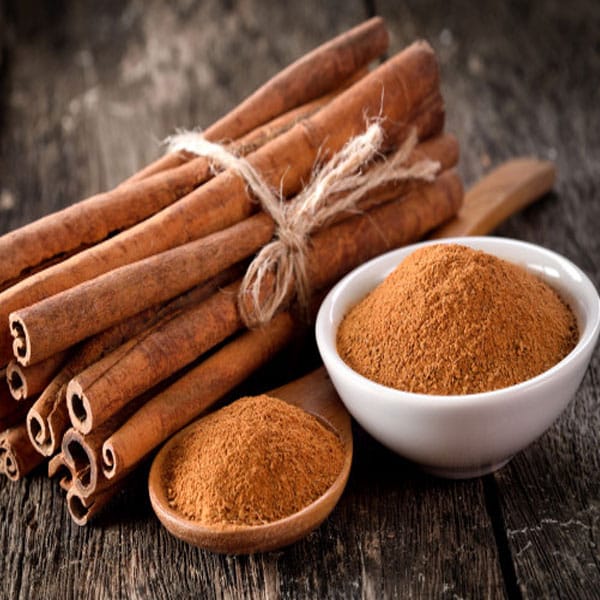
A dusting of cinnamon over your morning oatmeal or stirred into a warm latte adds warmth, aroma, and familiar comfort. But over the past decade, cinnamon has crossed over from a simple pantry spice into the wellness aisle. Today, shelves and online storefronts are packed with concentrated bottles claiming to support metabolic health, steady glucose levels, and deliver potent antioxidants.
When you pick up a bottle, you assume that what is sealed inside that cellulose shell matches the clean, wholesome botanical depicted on the label. Yet behind the scenes of global spice sourcing, the reality inside the capsule is often surprisingly complex—and occasionally troubling. Between different tree species, drastically different chemical profiles, and rampant industry substitutions highlighted in the cinnamon record, knowing what you are actually swallowing every day requires taking a closer look at the botanical supply chain.
Why Capsules Change the Equation
When you use ground cinnamon in cooking, you are consuming fractions of a gram—usually a modest pinch dispersed throughout a meal. Even if that kitchen spice happens to be high in certain naturally occurring compounds, your daily exposure remains relatively low.
Supplements, however, change the math entirely.
cinnamon supplement coumarin
A standard dietary supplement does not deliver a casual culinary pinch; it packs anywhere from 500 mg to 2,000 mg of concentrated powdered bark or concentrated extract into a daily serving. Swallowing that quantity every morning turns what was once an occasional aromatic seasoning into a steady, high-dose botanical exposure. At that volume, the exact botanical species, the soil conditions where the tree was harvested, and the precise processing method are no longer minor trivia—they determine the chemical makeup entering your system day after day.
The Coumarin Dilemma and the Safety Threshold
At the center of any serious discussion regarding cinnamon supplement safety is coumarin. Coumarin is a naturally occurring aromatic compound that gives certain cinnamon varieties their deep, sharp, and pungent flavor. While it smells wonderful, coumarin is known to be hepatotoxic (liver-toxic) when consumed regularly in excessive amounts by sensitive individuals.
In nature, cinnamon is not a single uniform tree. It generally falls into two commercial categories:
Ceylon Cinnamon (Cinnamomum verum or zeylanicum): Often called “true cinnamon,” indigenous to Sri Lanka. It naturally contains negligible, near-trace amounts of coumarin (frequently less than 0.004%).
Cassia Cinnamon (Cinnamomum cassia, C. loureiroi, C. burmannii): Sourced primarily from Indonesia, China, and Vietnam. Cassia is the robust, darker, thicker bark found in most supermarket grocery shakers. It contains significantly higher levels of coumarin—often up to 1% or higher.
To protect public health, regulatory agencies like the European Food Safety Authority (EFSA) established a strict safety benchmark: the tolerable daily intake (TDI) of 0.1 mg of coumarin per kilogram of body weight.
For an adult weighing 70 kilograms (around 154 lbs), that safety ceiling is just 7 milligrams of coumarin per day. A single heavy dose of whole-bark Cassia powder packed inside two standard 500 mg capsules can easily exceed that daily limit. If you take that bottle consistently for months, you are subjecting your liver to a steady coumarin burden that simple culinary use would rarely produce.
When “Ceylon” on the Label Is Not Ceylon in the Jar
Because educated consumers have learned about coumarin, supplement brands heavily promote “Ceylon Cinnamon” on their front labels to justify premium pricing. Common sense suggests that buying a bottle stamped with “Ceylon” guarantees a low-coumarin experience.
cinnamon supplement coumarin
Unfortunately, independent testing laboratories have revealed that the supplement supply chain does not always honor the label.
In an eye-opening independent test conducted by ConsumerLab.com, an independent testing organization that evaluates dietary supplements for purity and label accuracy, researchers analyzed a broad selection of popular cinnamon supplements on the market. The results were shocking: the supplement found to contain the single highest level of coumarin per daily serving was explicitly labeled as Ceylon cinnamon.
How does this happen? In commercial botanical trading, economic adulteration and supply chain opacity remain persistent challenges. Cassia bark is abundant, thick, and inexpensive to farm and mill. True Ceylon bark is delicate, paper-thin, labor-intensive to harvest, and commands a steep market price.
When unscrupulous brokers or unverified suppliers cut corners, cheap cassia sold as Ceylon slips into bulk processing drums. Unless the finished brand runs rigorous high-performance liquid chromatography (HPLC) or DNA barcode testing on every raw batch, pulverized Cassia powder gets encapsulated, bottled, and shipped to store shelves carrying a premium “True Ceylon” claim that is chemically false.
Powder vs. Water-Soluble Extracts
Understanding what sits inside a capsule also requires distinguishing between raw pulverized bark and purified extracts. You will generally encounter two distinct formulations when shopping:
1. Whole Pulverized Bark Powder
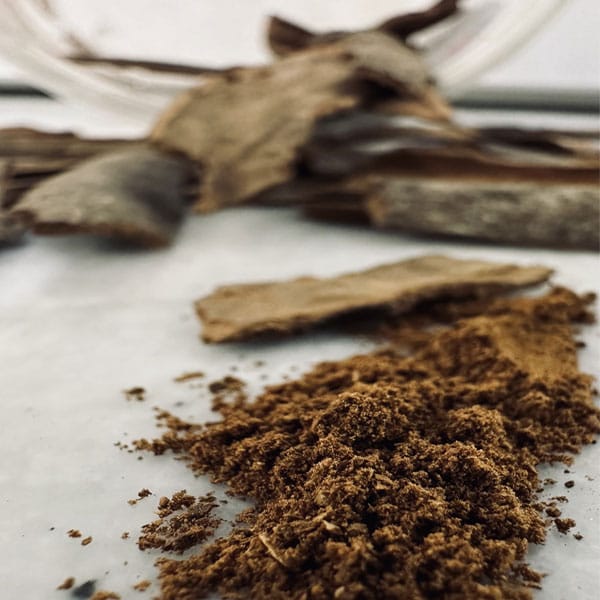
This is simply tree bark dried and pulverized into a fine meal, then packed into a capsule. If the manufacturer used genuine Ceylon bark, coumarin levels will be minimal. But if the raw material was Cassia (or adulterated Ceylon), all the native coumarin remains intact inside the powder.
2. Water-Soluble Concentrated Extracts (e.g., Aqueous Extracts or Cinnulin PF)
Coumarin is a fat-soluble compound, whereas the beneficial polyphenols and flavonoids (such as type-A procyanidins) are water-soluble. High-grade botanical manufacturers utilize dedicated water-based extraction processes. This liquid extraction pulls out the beneficial polyphenols while filtering out and discarding the fat-soluble coumarin fraction.
An aqueous extract derived from Cassia can, if properly processed and tested, contain remarkably low coumarin levels despite originating from a high-coumarin species. However, unless the bottle explicitly details this extraction specification and provides verified test data, assuming the coumarin has been removed is a gamble.

cinnamon supplement coumarin
How to Evaluate a Cinnamon Supplement: Practical Buying Checklist
Before adding a concentrated botanical product to your routine, evaluate the packaging with the eye of an ingredient inspector:
Insist on the Full Latin Botanical Name: Never buy a product that simply lists “Cinnamon Bark” in the supplement facts. Look for Cinnamomum verum or Cinnamomum zeylanicum if you want whole true Ceylon bark.
Look for Standardized Extract Disclosures: If the supplement uses an extract, check whether it specifies the extraction ratio (e.g., 10:1) and clarifies that it is a water-soluble extract with coumarin removed.
Demand Batch-Specific Third-Party Testing: Reputable brands do not ask you to take their claims on faith. Look for seals from independent testing bodies (such as USP, NSF International, or ConsumerLab) or brands that readily share a verified Certificate of Analysis (CoA) confirming coumarin levels below detection limits.
Be Skeptical of Unrealistic Bargains: Pure Ceylon cinnamon costs significantly more to cultivate and harvest than industrial Cassia. If a 120-capsule bottle claiming to be 100% pure organic Ceylon is priced identically to generic grocery-grade spices, botanical corners were likely cut somewhere along the line.
Editorial & Health Disclaimer
OriginAndSource provides independent sourcing intelligence, agricultural traceability research, and botanical supply-chain analysis. This article is published solely for educational, investigative, and informational purposes. It does not constitute medical advice, clinical diagnosis, or treatment recommendations. Always consult a qualified healthcare provider or physician before starting any concentrated dietary supplement, especially if you have pre-existing liver conditions, take prescription blood-thinning medications, or manage chronic metabolic conditions.
Reference:
ConsumerLab Cinnamon Supplements & Spices Review & Top Picks
Records mentioned in this article

Frequently Asked Questions
Yes, for the vast majority of people, normal culinary use—such as sprinkling a quarter to half a teaspoon across oatmeal or baked dishes—poses very little risk, even when using common Cassia. The risk of exceeding coumarin safety limits rises primarily when taking large, concentrated doses daily in supplement form.
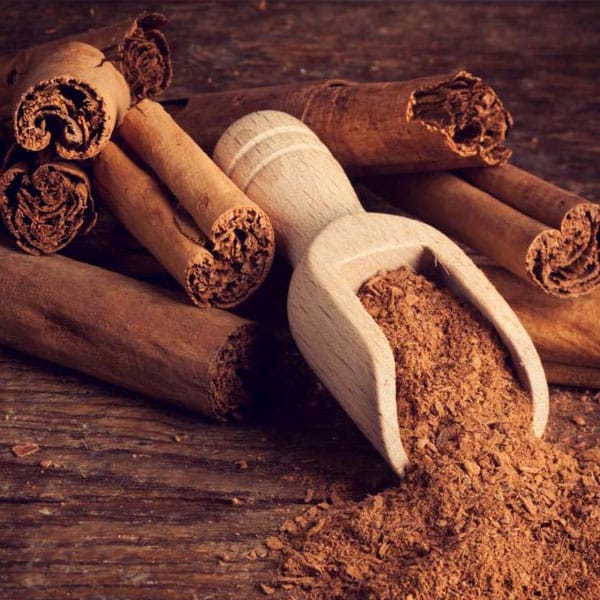
To the naked eye, no. While Ceylon bark sticks are easily recognized by their brittle, multi-layered cigar-like rolls and Cassia by its single, thick, hard scroll, both look like fine tan-to-reddish powder once milled. Only laboratory testing (such as HPLC testing for coumarin concentration or genetic DNA testing) can reliably verify the species inside a sealed capsule.
No. Coumarin is relatively heat-stable and does not break down during standard boiling, baking, or capsule manufacturing processes. If high-coumarin bark is used to make the powder, the coumarin remains active in the finished product.