Saffron is generally safe and highly beneficial for toddlers and kids when used in strictly culinary amounts, supporting digestion, mood, and natural immunity. Parents should wait until a child is at least six months old (preferably after introducing basic solids) and use no more than 1-2 strands infused in milk or food. At OriginAndSource, we emphasize that sourcing pure, unadulterated saffron is just as critical as controlling the dosage, as synthetic dyes in fake saffron pose real health risks to children.
Saffron at a Glance: Key Facts for Buyers & Businesses
| Category | Details |
|---|---|
| Botanical Name | Crocus sativus L. |
| Primary Origins | Iran (90%), Afghanistan, Spain, Kashmir (India), Greece |
| Active Compounds | Crocin (color), Picrocrocin (flavor), Safranal (aroma) |
| Grading Standards | ISO 3632 (Category I–III based on crocin, picrocrocin, safranal levels) |
| Common Grades | Sargol (all-red threads), Negin (premium long threads), Pushal (red + some yellow) |
| Retail Price Range (2026) | 8– 15/gram (premium), 500 – 500– 3,000/kg (bulk, B2B) |
| Key Quality Indicators | Deep red color, minimal yellow threads, strong aroma, moisture <12%, no additives |
| Shelf Life | 2–3 years (airtight, cool, dark storage) |
| Culinary Uses | Paella, risotto, Persian rice, desserts, teas |
| Health Benefits | Antioxidant, mood support, potential anti-inflammatory properties* |
| Buying Tips for Consumers | Buy threads (not powder), check ISO cert, test 2–3 threads in warm water |
| Sourcing Tips for Businesses | Request lab reports (ISO 3632), verify origin docs, sample before bulk orders |
Saffron at a Glance: Key Facts for Buyers & Businesses. Origin, grades, 2026 prices, and purity checks — the essentials for both home and bulk saffron buyers, in one table. Columns: Category, Details. Botanical Name — Crocus sativus L.. Primary Origins — Iran (90%), Afghanistan, Spain, Kashmir (India), Greece. Active Compounds — Crocin (color), Picrocrocin (flavor), Safranal (aroma). Grading Standards — ISO 3632 (Category I–III based on crocin, picrocrocin, safranal levels). Common Grades — Sargol (all-red threads), Negin (premium long threads), Pushal (red + some yellow). Retail Price Range (2026) — 8– 15/gram (premium), 500 – 500– 3,000/kg (bulk, B2B). Key Quality Indicators — Deep red color, minimal yellow threads, strong aroma, moisture <12%, no additives. Shelf Life — 2–3 years (airtight, cool, dark storage).
As parents, we hyper-analyze every single ingredient that goes into our child’s mouth. When it comes to saffron—the world’s most expensive and legendary spice—it’s completely natural to pause and ask: Is this safe for my toddler?
Whether you are making a traditional family rice dish, brewing comforting bedtime milk, or looking into natural remedies for digestion, saffron often enters the conversation. The short answer is yes, saffron is safe for kids and toddlers, but with strict rules regarding age, dosage, and purity.
Let’s break down the exact steps, benefits, and comparisons you need to make an informed decision for your child’s diet.
Age Guidelines and Safe Dosage
Children’s digestive and immune systems are still developing, which means highly concentrated spices should be introduced with caution.
Under 6 Months: Strictly Avoid. Infants should only consume breast milk or formula.
6 to 12 Months: You can introduce saffron once the baby is comfortable with basic solid foods (around 8–10 months). Start with a micro-dose: just 1 single thread (stigma), soaked in breast milk, formula, or warm water, and mixed into their puree.
Is saffron safe for toddlers
1 to 3 Years (Toddlers): Safe in moderation. The ideal dosage is 1 to 2 threads per serving, maximum 2 to 3 times a week.
4+ Years: Up to 3 threads per serving in meals or milk is perfectly safe.
Crucial Advice: Never feed your child raw, dry saffron threads directly. Always infuse them in warm liquid first to release the compounds safely and prevent choking or concentrated irritation.
Why Introduce Saffron? Health Benefits for Kids
When sourced correctly, saffron isn’t just a food coloring; it’s a functional food packed with antioxidants like crocin and safranal.
Soothes Tummy Troubles: Saffron has natural astringent properties that can help soothe a toddler’s sensitive digestive tract, reducing mild gas and bloating.
Promotes Better Sleep: A tiny pinch of saffron infused in warm bedtime milk is a centuries-old remedy to calm the nervous system and help restless toddlers drift to sleep.
Vision Health: The high levels of crocin in saffron protect the retina and support healthy vision development in growing children.
Respiratory Support: In traditional medicine, saffron is often mixed with a little honey (for kids over 1 year old) to help clear mild chest congestion and soothe sore throats during cold season.
Saffron Health Benefits: Beyond its culinary magic, modern clinical trials prove that pure saffron is a powerful, natural therapy for both mind and body.
Saffron vs. Other Spices for Kids (A Parent’s Comparison)
| Spice | Best Age to Introduce | Primary Benefit for Kids | Caution / Usage Note |
|---|---|---|---|
| Saffron | 8+ Months | Mood calming, digestion, vision support | Max 1-2 threads. Must infuse in liquid first. Beware of fake dyes. |
| Turmeric | 6-8 Months | Strong anti-inflammatory, immunity | Can stain heavily; use a tiny pinch. Needs fat (like milk/oil) for absorption. |
| Cinnamon (Ceylon) | 6 Months | Blood sugar regulation, flavor enhancer | Use Ceylon (true cinnamon), not Cassia, to avoid liver toxicity in kids. |
The Hidden Danger: Fake Saffron
The biggest risk of giving saffron to your toddler isn’t the saffron itself—it’s the counterfeits. Because saffron is highly valuable, unscrupulous sellers often dye corn silk, safflower, or even paper with artificial, synthetic red dyes (like Tartrazine or Allura Red) which are linked to hyperactivity and allergic reactions in children.
How to verify purity for your child’s safety:
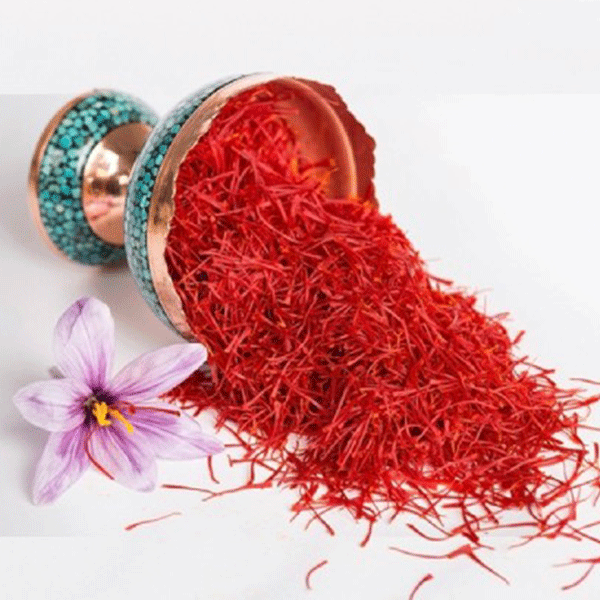
The Cold Water Test: Drop a thread in cold water. Real saffron slowly turns the water a golden yellow over 10-15 minutes, while the thread stays red. Fake saffron immediately bleeds a dark red color and the thread turns white.
The Shape: Authentic threads are trumpet-shaped at one end, not perfectly straight like cut string.
Source Wisely: Always buy from transparent, dedicated suppliers. At OriginAndSource, we constantly audit our supply chains because we know that when it comes to family cooking, authenticity is a matter of health, not just luxury.
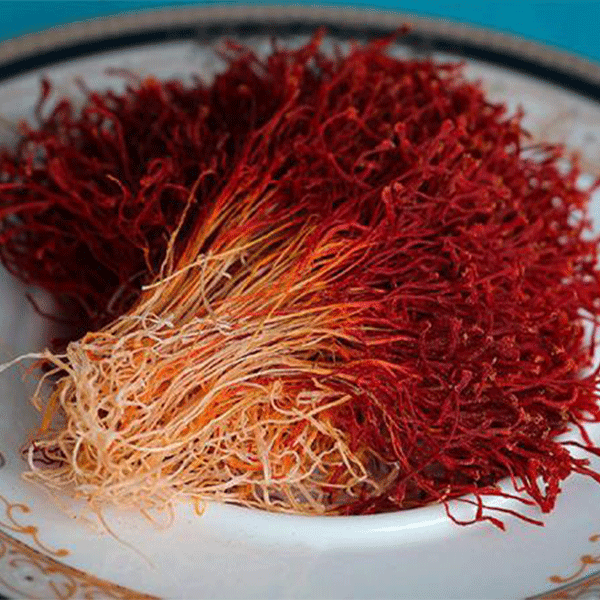
Is saffron safe for toddlers
Step-by-Step: How to Safely Serve Saffron to Toddlers
If you are ready to introduce it, here are the safest and most child-friendly methods:
The “Liquid First” Method: Never sprinkle dry saffron over a toddler’s food. Grind 1-2 threads in a mortar, add a tablespoon of warm water or milk, and let it sit for 15 minutes. Use this liquid as your base.
Saffron Rice: Mix the infused liquid into a small bowl of mashed or soft-cooked rice. The vibrant yellow color is visually stimulating for picky eaters.
Golden Pear/Apple Mash: Stir a few drops of saffron water into warm, stewed apples or pears. It aids digestion and adds a subtle, floral flavor.
Bedtime Kesar Milk: For toddlers over 12 months, mix the infused saffron liquid into a cup of warm whole milk.
Potential Risks and Allergic Reactions
While saffron is incredibly safe in culinary doses, every child is different.
When introducing it for the first time, treat it like any new potential allergen. Give a tiny amount early in the day and watch for 24 hours. Signs of a rare saffron allergy include a skin rash, nausea, or diarrhea.
Furthermore, “saffron toxicity” is a real medical condition, but it only occurs at extremely high doses (consuming grams of it at once). As long as you are measuring by threads (stigmas) rather than teaspoons, toxicity is not a concern.
Reference:
https://www.ncbi.nlm.nih.gov/pmc/articles/PMC4599112/
Records mentioned in this article
Frequently Asked Questions
Saffron is not a medical cure, but it is an excellent supportive remedy. When mixed with warm milk (and honey for kids over 1 year old), it coats the throat, acts as a mild expectorant, and helps a sick, fussy toddler sleep better.
While safe, daily consumption isn’t necessary and can be overly stimulating for a developing digestive system. It is best to serve saffron milk 2 to 3 times a week, rather than making it a daily routine.
If a child gets into your spice cabinet and eats a large amount of raw threads, they may experience stomach cramps, vomiting, or dizziness. Do not wait—contact your pediatrician or local poison control center immediately for guidance.