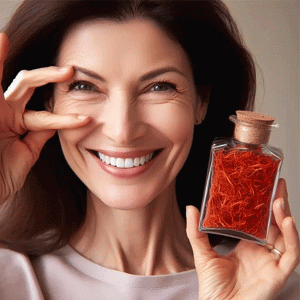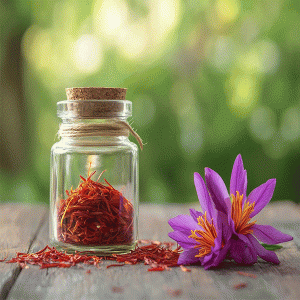
While primarily known as the world’s most expensive culinary spice, saffron is rich in powerful antioxidants like crocin that actively combat oxidative stress on the scalp, a leading cause of hair thinning. Based on our extensive research at OriginAndSource into botanical properties, high-quality saffron can stimulate micro-circulation in hair follicles, creating a healthier environment for hair retention and growth. However, achieving visible results requires consistent topical application and using genuine, high-grade threads rather than cheap adulterated alternatives.
Saffron at a Glance: Key Facts for Buyers & Businesses
| Category | Details |
|---|---|
| Botanical Name | Crocus sativus L. |
| Primary Origins | Iran (90%), Afghanistan, Spain, Kashmir (India), Greece |
| Active Compounds | Crocin (color), Picrocrocin (flavor), Safranal (aroma) |
| Grading Standards | ISO 3632 (Category I–III based on crocin, picrocrocin, safranal levels) |
| Common Grades | Sargol (all-red threads), Negin (premium long threads), Pushal (red + some yellow) |
| Retail Price Range (2026) | 8– 15/gram (premium), 500 – 500– 3,000/kg (bulk, B2B) |
| Key Quality Indicators | Deep red color, minimal yellow threads, strong aroma, moisture <12%, no additives |
| Shelf Life | 2–3 years (airtight, cool, dark storage) |
| Culinary Uses | Paella, risotto, Persian rice, desserts, teas |
| Health Benefits | Antioxidant, mood support, potential anti-inflammatory properties* |
| Buying Tips for Consumers | Buy threads (not powder), check ISO cert, test 2–3 threads in warm water |
| Sourcing Tips for Businesses | Request lab reports (ISO 3632), verify origin docs, sample before bulk orders |
Saffron at a Glance: Key Facts for Buyers & Businesses. Origin, grades, 2026 prices, and purity checks — the essentials for both home and bulk saffron buyers, in one table. Columns: Category, Details. Botanical Name — Crocus sativus L.. Primary Origins — Iran (90%), Afghanistan, Spain, Kashmir (India), Greece. Active Compounds — Crocin (color), Picrocrocin (flavor), Safranal (aroma). Grading Standards — ISO 3632 (Category I–III based on crocin, picrocrocin, safranal levels). Common Grades — Sargol (all-red threads), Negin (premium long threads), Pushal (red + some yellow). Retail Price Range (2026) — 8– 15/gram (premium), 500 – 500– 3,000/kg (bulk, B2B). Key Quality Indicators — Deep red color, minimal yellow threads, strong aroma, moisture <12%, no additives. Shelf Life — 2–3 years (airtight, cool, dark storage).
If you are dealing with hair shedding, thinning, or a scalp that simply won’t cooperate, you have probably researched dozens of natural remedies. While rosemary oil and minoxidil dominate the conversation, saffron is quietly emerging as a premium botanical alternative.
But at its high price point, you have to ask: does saffron actually stop hair loss, or is it just an expensive wellness trend?
To answer this, we need to look beyond the kitchen and dive into the actual chemistry of the spice, how it interacts with your scalp, and what real-world applications actually look like.
How Saffron Interacts with Hair Follicles
Hair loss—whether it is telogen effluvium (stress-induced shedding) or early-stage androgenetic alopecia—is heavily influenced by poor blood circulation and oxidative stress at the cellular level. This is exactly where saffron does its heavy lifting.
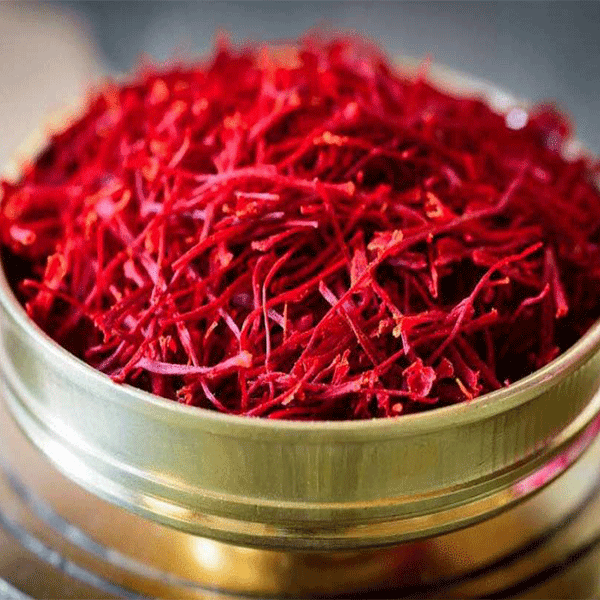
Saffron for hair loss
Genuine saffron contains three massive active compounds: Crocin (color), Picrocrocin (flavor), and Safranal (aroma).
For your hair, Crocin is the star player. It is a potent antioxidant that neutralizes free radicals on the scalp. When your hair follicles aren’t being bombarded by environmental damage, UV stress, or internal inflammation, they can stay in the anagen (growth) phase much longer. Furthermore, topical application of saffron-infused oils has been shown to act as a vasodilator, meaning it widens the tiny blood vessels under your skin. More blood flow equals more oxygen and nutrients delivered directly to the root of your hair.
Saffron Health Benefits: Beyond its culinary prestige, clinical research reveals that saffron’s core bioactive compounds—specifically crocin and safranal—offer powerful, targeted therapeutic effects for both mind and body.
Saffron vs. Other Hair Growth Remedies
| Treatment | Primary Mechanism | Pros & Effectiveness | Cons & Side Effects |
|---|---|---|---|
| Saffron Infusion (Topical) | Antioxidant repair & micro-circulation stimulation. | Highly soothing for inflamed scalps; zero harsh chemicals; improves hair texture. | High upfront cost; requires DIY preparation; mild risk of temporary scalp staining if concentrated. |
| Rosemary Essential Oil | Cellular generation & DHT blocking (mild). | Clinically compared to 2% Minoxidil; widely accessible and affordable. | Can cause severe scalp irritation if not diluted properly; strong scent. |
| Minoxidil (OTC Drug) | Potent vasodilation & prolonging the anagen phase. | FDA-approved; high success rate for genetic hair loss. | Must be used forever (hair falls out if stopped); potential for dry, itchy, or flaky scalp. |
How to Use Saffron for Hair Health
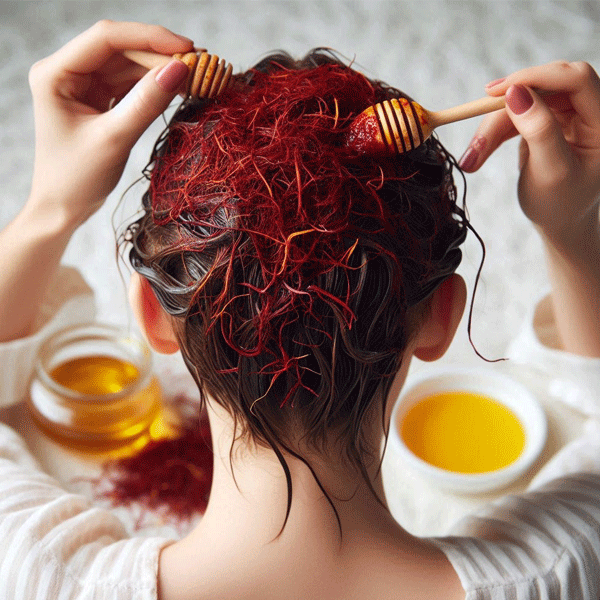
If you are going to use saffron, do not just drop a few threads into your shampoo bottle. The active compounds are water and fat-soluble, meaning they need to be extracted properly. Here are the two most effective ways we’ve found to apply it:
1. The Saffron Scalp Tonic (Water-Based)
This is ideal for people with oily scalps who don’t want to use heavy oils.
Take 5 to 7 strands of premium saffron (Super Negin or Sargol).
Crush them gently and soak them in a quarter cup of warm (not boiling) rose water or distilled water.
Leave it to steep for 2 to 3 hours until the liquid is a deep, rich orange.
Transfer to a spray bottle and mist directly onto your scalp after washing. Massage it in and leave it.
2. Saffron Infused Hair Oil (Lipid-Based)
Perfect for dry scalps and repairing brittle hair ends.
Crush 10 strands of saffron and mix them into 2 tablespoons of a carrier oil (Sweet Almond or Argan oil work best for hair penetration).
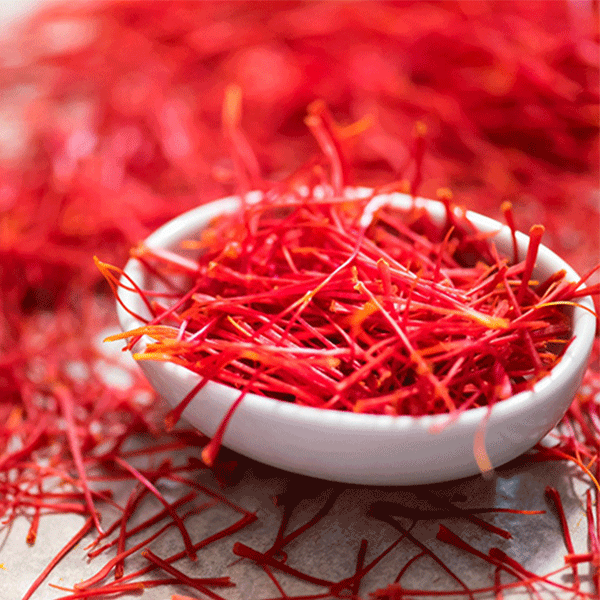
Saffron for hair loss
Warm the oil slightly using the double-boiler method to help release the crocin.
Let it sit in a dark glass bottle for at least 48 hours.
Massage into the scalp 2 hours before showering, 2-3 times a week.
if you are suffering from aggressive, genetic hair loss (like male pattern baldness), saffron alone is not going to magically regrow a full head of hair. In those cases, medical treatments are required.
However, if your hair loss is due to stress, a tight and inflamed scalp, postpartum shedding, or environmental damage, saffron is a phenomenal, gentle, and highly effective addition to your routine. It creates the optimal, nutrient-rich environment your scalp needs to heal and grow hair.
A warning on sourcing: The cosmetics industry is flooded with “saffron extracts” that contain little to no actual crocin. If you are going the DIY route, you must buy culinary-grade, pure saffron threads. Look for deep red threads with zero yellow style attached. If the price seems too good to be true, it’s likely safflower or artificially dyed corn silk, which will do absolutely nothing for your hair.
Reference:
https://www.ncbi.nlm.nih.gov/pmc/articles/PMC3971062/
Records mentioned in this article
Frequently Asked Questions
If you have very light blonde or white hair, a highly concentrated saffron water rinse might leave a temporary subtle golden tint. However, when properly diluted in oil or water and washed out, it will not permanently dye your hair.
Like most natural remedies, consistency is the key. You can expect a calmer scalp and shinier hair within the first two weeks, but noticeable reductions in hair shedding and new growth usually take around 3 to 4 months of consistent weekly use.
Both are beneficial, but they serve different purposes. Drinking saffron tea helps lower systemic stress and inflammation in the body (which indirectly helps hair). Applying it topically delivers the antioxidants directly to the hair follicles where they are needed most. Doing both yields the best results.