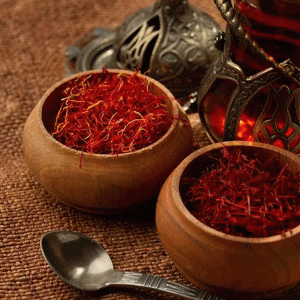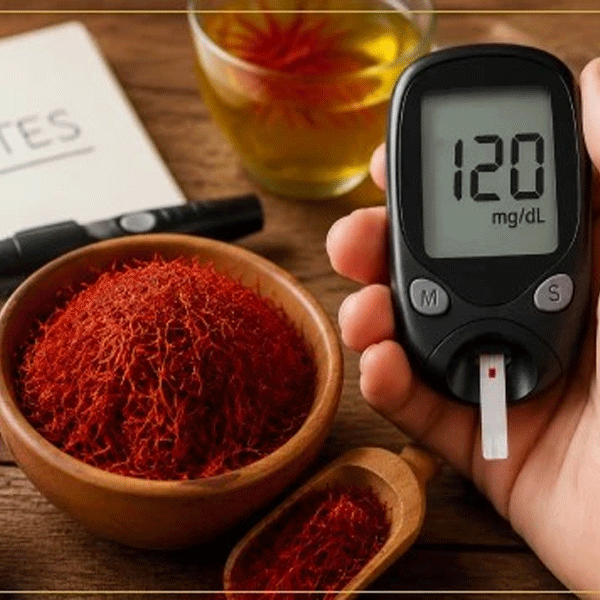
Managing blood sugar often involves a strict balance of diet, exercise, and medication, but natural botanicals like saffron are increasingly showing measurable promise. Thanks to a high concentration of antioxidants like crocin, authentic saffron can help support insulin sensitivity and reduce the oxidative stress associated with diabetes. Finding premium, unadulterated threads—which remains the core focus of our sourcing research at OriginAndSource—is the most critical step to ensuring you actually get these therapeutic benefits.
Saffron at a Glance: Key Facts for Buyers & Businesses
| Category | Details |
|---|---|
| Botanical Name | Crocus sativus L. |
| Primary Origins | Iran (90%), Afghanistan, Spain, Kashmir (India), Greece |
| Active Compounds | Crocin (color), Picrocrocin (flavor), Safranal (aroma) |
| Grading Standards | ISO 3632 (Category I–III based on crocin, picrocrocin, safranal levels) |
| Common Grades | Sargol (all-red threads), Negin (premium long threads), Pushal (red + some yellow) |
| Retail Price Range (2026) | 8– 15/gram (premium), 500 – 500– 3,000/kg (bulk, B2B) |
| Key Quality Indicators | Deep red color, minimal yellow threads, strong aroma, moisture <12%, no additives |
| Shelf Life | 2–3 years (airtight, cool, dark storage) |
| Culinary Uses | Paella, risotto, Persian rice, desserts, teas |
| Health Benefits | Antioxidant, mood support, potential anti-inflammatory properties* |
| Buying Tips for Consumers | Buy threads (not powder), check ISO cert, test 2–3 threads in warm water |
| Sourcing Tips for Businesses | Request lab reports (ISO 3632), verify origin docs, sample before bulk orders |
Saffron at a Glance: Key Facts for Buyers & Businesses. Origin, grades, 2026 prices, and purity checks — the essentials for both home and bulk saffron buyers, in one table. Columns: Category, Details. Botanical Name — Crocus sativus L.. Primary Origins — Iran (90%), Afghanistan, Spain, Kashmir (India), Greece. Active Compounds — Crocin (color), Picrocrocin (flavor), Safranal (aroma). Grading Standards — ISO 3632 (Category I–III based on crocin, picrocrocin, safranal levels). Common Grades — Sargol (all-red threads), Negin (premium long threads), Pushal (red + some yellow). Retail Price Range (2026) — 8– 15/gram (premium), 500 – 500– 3,000/kg (bulk, B2B). Key Quality Indicators — Deep red color, minimal yellow threads, strong aroma, moisture <12%, no additives. Shelf Life — 2–3 years (airtight, cool, dark storage).
When people think of saffron, they usually think of paella, risotto, or the steep price tag. But beyond its culinary prestige, Crocus sativus has been the subject of intense clinical research over the last decade, particularly regarding metabolic health.
If you or a loved one are managing diabetes, you’ve likely looked into natural supplements to support your regimen. You might be wondering: does saffron actually lower blood sugar, or is it just another wellness trend?
Based on current clinical trials and our understanding of botanical active compounds, the short answer is yes—saffron shows genuine potential to help manage blood sugar levels. However, how it works, how it compares to other herbs, and what kind of saffron you buy makes all the difference.
How Saffron Affects Blood Glucose
Saffron isn’t a magic pill that instantly drops blood sugar. Instead, it works systemically through its three primary compounds: crocin (color), picrocrocin (flavor), and safranal (aroma).
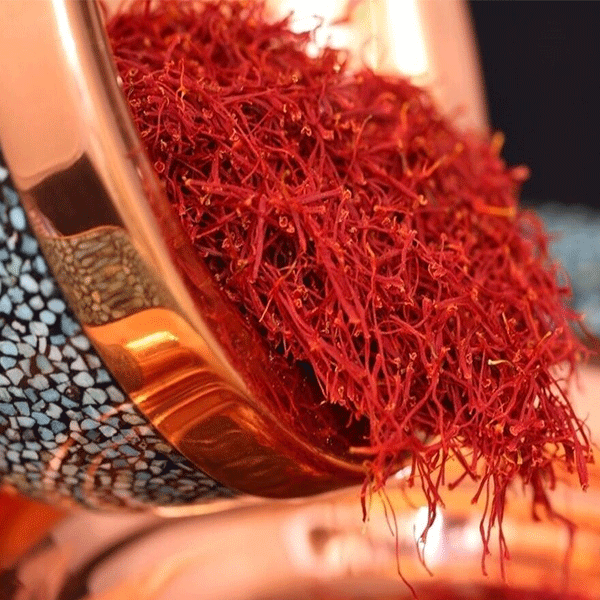
Saffron for diabetes
For diabetics, crocin is the star of the show. Type 2 diabetes is heavily linked to oxidative stress and chronic inflammation, which damage the insulin-producing beta cells in the pancreas. Crocin is a potent water-soluble antioxidant. Research indicates that it helps neutralize free radicals, thereby protecting pancreatic cells and improving the body’s sensitivity to insulin. When your cells are more sensitive to insulin, they can more effectively absorb glucose from your bloodstream.
Furthermore, some studies suggest that saffron extract can help lower fasting blood glucose levels and reduce HbA1c (a marker of long-term blood sugar control) when used consistently over a 2 to 3-month period.
Saffron Health Benefits: The amazing effects of saffron on physical health
Comparing Saffron to Standard Diabetic Botanicals
| Botanical | Primary Active Compound | Main Mechanism for Blood Sugar | Standard Clinical Dosage |
|---|---|---|---|
| Saffron | Crocin, Safranal | Reduces oxidative stress, improves insulin sensitivity, protects beta cells. | 30 mg per day |
| Ceylon Cinnamon | Cinnamaldehyde | Mimics insulin, slows carbohydrate breakdown in the digestive tract. | 1 to 6 grams per day |
| Fenugreek Seeds | Soluble Fiber, Trigonelline | Slows digestion and sugar absorption; directly stimulates insulin release. | 5 to 10 grams per day |
Sourcing the Right Saffron for Health
If you are buying saffron for its health benefits rather than just its flavor, quality control is your biggest hurdle. The market is notorious for adulteration. Dyed corn silk, safflower (often sold as “bastard saffron”), and artificially colored floral waste will offer zero metabolic benefits.
When evaluating saffron for medicinal use, keep these sourcing rules in mind:
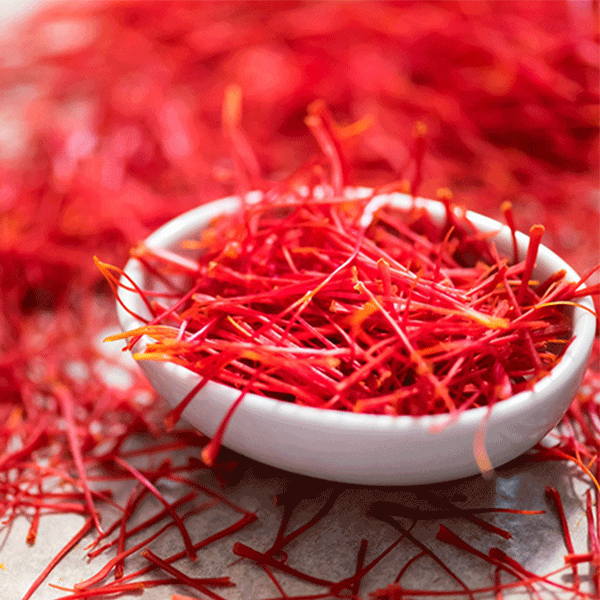
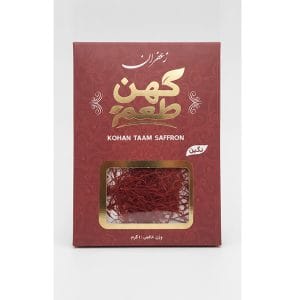
Look for Grade: Opt for “Super Negin” or “Sargol” grades. These consist only of the red stigma tips, which contain the absolute highest concentration of crocin. Avoid “Bunch” or “Pushal” grades if you want maximum potency, as they contain the yellow style, which has negligible active compounds.
Check the Color and Scent: Authentic saffron is deep, vivid crimson. It should smell floral and slightly earthy (like sweet hay), but it should never taste sweet. If the threads taste sweet, they have been sprayed with glycerin or sugar water to increase their weight.
The Water Test: When steeped in warm water, real saffron slowly turns the water a bright golden-yellow while the thread itself remains red. Fake saffron will instantly turn the water red and the thread will turn white as the artificial dye washes off.
Saffron for diabetes
How to Take It
Clinical trials typically use an exact dosage of 30 mg per day of saffron extract. If you are using whole threads at home, this translates to roughly 10 to 15 high-quality threads daily.
The most effective way to consume it is to gently grind the threads and steep them in warm (not boiling) water for 15 minutes to fully release the water-soluble crocin. You can drink this as a tea or add the infused liquid to your meals.
A crucial note on safety: Because saffron can actively lower blood sugar, taking it alongside prescription diabetes medications (like Metformin or insulin) can increase the risk of hypoglycemia (dangerously low blood sugar). You should always consult your endocrinologist or primary care doctor before adding a therapeutic dose of saffron to your daily routine.
Reference:
https://pubmed.ncbi.nlm.nih.gov/37778521/
Records mentioned in this article
Frequently Asked Questions
No. Saffron is a supportive botanical supplement, not a cure. It should be used to complement a healthy lifestyle and prescribed medical treatments to help manage symptoms and improve insulin sensitivity.
Yes, consuming saffron in culinary amounts or standard therapeutic doses (up to 30 mg daily) is generally safe for most adults. Dosages exceeding 1.5 grams per day can cause adverse side effects and should be avoided.
Early research suggests it might. Because of its strong antioxidant and anti-inflammatory properties, some studies show saffron may help reduce nerve pain and protect against the neuro-degeneration often caused by long-term diabetes.