Saffron isn’t just the world’s most expensive culinary spice; it’s a potent, science-backed medicinal powerhouse rich in antioxidants like crocin and safranal. From boosting mood and alleviating depression to supporting cognitive function, clinical studies are finally catching up to centuries of traditional wisdom.
When you hold a few threads of pure saffron in the palm of your hand, you immediately notice the deep crimson color and the unmistakable, earthy aroma. For years, working closely with premium agricultural products and observing the saffron trade, I’ve seen people treat these red threads solely as a luxury culinary ingredient—a way to color rice or elevate a dessert. But there is a much deeper story here.
Historically, Persian and Ayurvedic medicine systems utilized saffron (Crocus sativus) as a primary healing agent. Today, modern clinical research is rigorously testing these ancient claims, and the results are astounding. We are moving past anecdotal evidence into the realm of science-backed medical uses.
If you’re looking to understand exactly how this “red gold” impacts the human body, you need to look beyond the kitchen. Let’s dive into the biochemical realities of saffron and the peer-reviewed science that supports its health benefits.
The Biochemical Powerhouse: What Makes Saffron Tick?
To understand why saffron works, we have to look at what’s inside it. The health benefits don’t come from magic; they come from highly active phytochemicals.
When I evaluate the quality of saffron, I don’t just look at the color; I think about the chemical composition. There are three main compounds you need to know:
1. Crocin: A water-soluble carotenoid responsible for saffron’s rich red color. It is a massive antioxidant that protects brain cells.
2. Picrocrocin: The compound that gives saffron its slightly bitter, earthy taste.
3. Safranal: This gives saffron its distinct aroma and has been shown to improve mood, memory, and learning ability, as well as protect brain cells against oxidative stress.
When you consume high-quality saffron, you are essentially delivering a concentrated dose of these neuroprotective and antioxidant compounds directly to your cells.
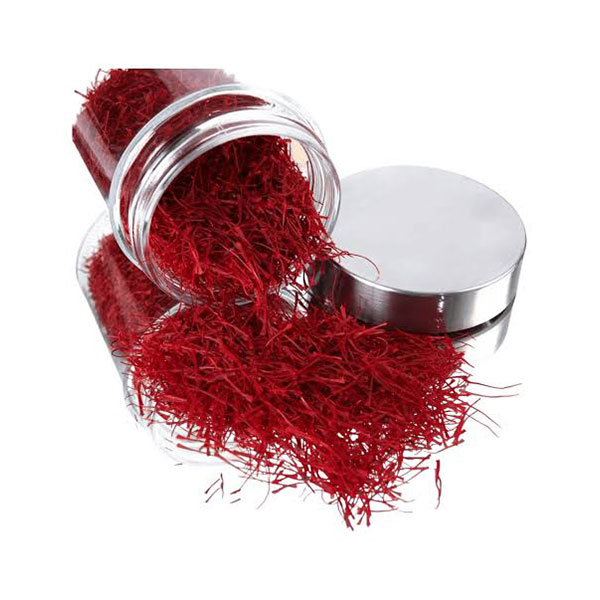
saffron
1. A Natural Mood Booster and Depression Treatment
Perhaps the most heavily researched medical use of saffron is its effect on mental health, specifically clinical depression. In a world where SSRIs (selective serotonin reuptake inhibitors) are the standard of care, saffron has emerged as a fascinating natural alternative or adjunct therapy.
Several clinical trials have demonstrated that supplementing with 30 { mg} of saffron extract daily is significantly more effective than a placebo in treating mild-to-moderate depression. More impressively, some studies have shown that saffron’s efficacy is comparable to prescription medications like Fluoxetine, Imipramine, and Citalopram, but with noticeably fewer side effects (such as sexual dysfunction, which is common with conventional antidepressants).
How does it work? Science suggests that safranal and crocin help regulate levels of neurotransmitters in the brain, including serotonin, dopamine, and norepinephrine—keeping them in the synapses longer, much like pharmaceutical antidepressants do.
2. Fighting Oxidative Stress and Free Radicals
We hear the word “antioxidant” thrown around a lot in health marketing, but it has a very specific medical meaning. Your body is constantly under attack by free radicals—unstable molecules that cause cellular damage, leading to aging and chronic diseases like cancer and heart disease.
The crocin, crocetin, safranal, and kaempferol found in saffron are formidable antioxidants. They neutralize these free radicals. In laboratory test-tube studies, saffron and its compounds have been shown to selectively kill colon cancer cells or suppress their growth, while leaving normal, healthy cells unharmed. Similar effects have been observed in studies involving skin, bone marrow, prostate, lung, breast, and cervix cancer cells.
While we are still waiting for large-scale human oncology trials, the preliminary data strongly supports saffron’s role as a protective dietary agent.
3. Alleviating PMS Symptoms
Premenstrual syndrome (PMS) encompasses physical, emotional, and psychological symptoms occurring before the start of a menstrual period. For many women, these symptoms are debilitating.
In women aged 20–45, taking $30 \text{ mg}$ of saffron daily was shown to be more effective than a placebo in treating PMS symptoms, such as irritability, headaches, cravings, and pain. Even simply smelling saffron for 20 minutes was found to help reduce symptoms of PMS anxiety and lower levels of the stress hormone cortisol.
4. Supporting Memory and Alzheimer’s Disease
As we age, cognitive decline becomes a serious concern. The antioxidant properties of saffron, specifically crocin, have shown promise in improving memory and learning abilities.
In a notable study involving patients with mild-to-moderate Alzheimer’s disease, a daily dose of saffron extract (30 { mg}) for 16 weeks resulted in significantly better cognitive function compared to a placebo. In fact, its effectiveness was found to be comparable to Donepezil, a standard Alzheimer’s medication, but patients taking saffron experienced fewer digestive side effects.
5. Cardiovascular Health and Blood Sugar Regulation
In my experience looking at macro trends in health and agriculture, functional foods are becoming the first line of defense against metabolic syndrome. Saffron plays a role here too.
Animal and test-tube studies indicate that saffron’s antioxidant properties can lower blood cholesterol and prevent blood vessels and arteries from clogging. Furthermore, saffron may help lower blood sugar levels and raise insulin sensitivity, which is a critical factor for preventing or managing Type 2 Diabetes.
6. Protecting Eye Health (Macular Degeneration)
Age-related macular degeneration (AMD) is a leading cause of blindness in older adults. The crocin in saffron increases blood flow to the retina and protects it from photo-oxidative damage. Clinical studies have noted that daily saffron supplementation can lead to modest improvements in visual acuity in adults with early-stage AMD.
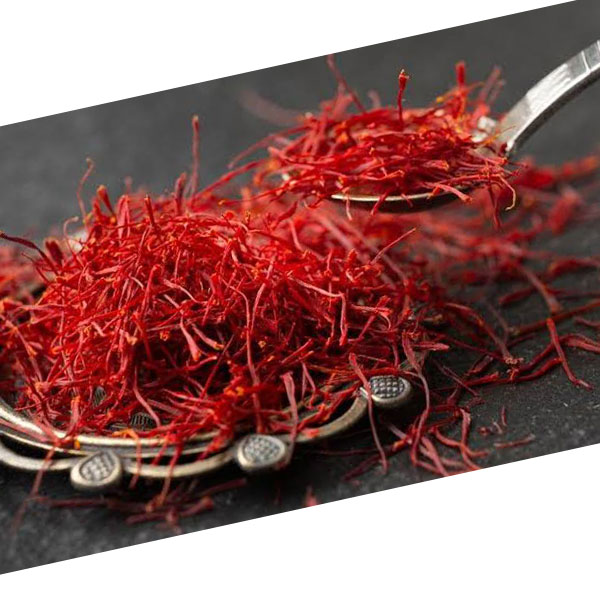
Any specifications about saffron
Dosage, Safety, and Practical Experience
From a practical standpoint, you don’t need to consume massive amounts of saffron to see benefits. In fact, doing so is dangerous.
Standard Therapeutic Dose: The clinically studied dose for depression and cognitive support is typically 30 text{ mg} per day.
Culinary Use: A few threads (around 15-20 { mg}) steeped in warm water, milk, or broth is perfect for daily dietary inclusion.
Toxicity: Saffron is generally safe at standard doses. However, toxic effects can occur at high doses (above 5 { grams}). Doses of 10-20 { grams} can be fatal. Pregnant women should avoid therapeutic (high) doses of saffron, as it can cause uterine contractions, though standard culinary amounts are generally considered safe.
When buying saffron, authenticity is everything. The market is flooded with adulterated products (safflower, dyed corn silk). Always source your saffron from reputable growers and distributors who can verify its origin and testing parameters.
Conclusion
Saffron is far more than a luxury spice; it is a complex biochemical botanical with profound, scientifically validated medical applications. From protecting our brains against cognitive decline to offering a natural, effective intervention for depression and PMS, the research is clear. Integrating high-quality, authentic saffron into your daily routine is an investment in long-term health and cellular protection.
Authoritative Medical Source
To verify the clinical claims regarding saffron’s efficacy in treating depression and its safety profile, you can review the peer-reviewed meta-analysis published in the National Center for Biotechnology Information (NCBI).
Frequently Asked Questions
While clinical trials show that saffron can be as effective as some SSRIs (like fluoxetine) for mild-to-moderate depression, you should never combine them without strict medical supervision. Both saffron and SSRIs influence serotonin levels in the brain. Combining them could theoretically increase the risk of Serotonin Syndrome, a rare but potentially life-threatening condition caused by too much serotonin. Always consult your prescribing psychiatrist before adding clinical doses of saffron to your regimen.
This requires a nuanced answer. Standard culinary amounts (e.g., eating a bowl of paella or saffron rice) are generally considered safe during pregnancy. However, taking high-dose saffron supplements or drinking highly concentrated saffron tea is strongly discouraged. In large therapeutic doses (above 5 grams 5 grams), saffron acts as a uterine stimulant and can cause contractions, potentially leading to miscarriage
Saffron has been shown in some studies to lower blood pressure due to its relaxing effect on blood vessels. If you are taking antihypertensive medications, adding daily saffron supplements might cause your blood pressure to drop too low (hypotension). If you decide to use it, monitor your blood pressure closely and keep your cardiologist informed.
Unlike a cup of coffee that acts immediately, the neurological benefits of saffron require a build-up of its active compounds. Most clinical trials measuring saffron’s impact on clinical depression, anxiety, and Alzheimer’s disease measure outcomes after
6 to 8 weeks of daily supplementation at 30 mg 30 mg per day. Consistency is key
Yes, drinking saffron tea is one of the oldest and most effective delivery methods. To maximize the extraction of crocin and safranal, do not use boiling water, which can destroy delicate volatile compounds. Instead, steep a small pinch of ground saffron (about 15 mg to 20 mg) in warm water (around 80∘C) for at least 10
minutes. Some traditional practices suggest adding a small amount of fat, like a splash of milk or a tiny piece of butter, to help extract the fat-soluble compounds as well.