Its antioxidant levels are highly dependent on where it was grown, how the soil was treated, and the specific temperatures used during the drying process. A machine-dried, mass-produced batch will never match the chemical profile of saffron harvested by experienced hands at dawn and cured using traditional, climate-controlled methods.
Saffron at a Glance: Key Facts for Buyers & Businesses
| Category | Details |
|---|---|
| Botanical Name | Crocus sativus L. |
| Primary Origins | Iran (90%), Afghanistan, Spain, Kashmir (India), Greece |
| Active Compounds | Crocin (color), Picrocrocin (flavor), Safranal (aroma) |
| Grading Standards | ISO 3632 (Category I–III based on crocin, picrocrocin, safranal levels) |
| Common Grades | Sargol (all-red threads), Negin (premium long threads), Pushal (red + some yellow) |
| Retail Price Range (2026) | 8– 15/gram (premium), 500 – 500– 3,000/kg (bulk, B2B) |
| Key Quality Indicators | Deep red color, minimal yellow threads, strong aroma, moisture <12%, no additives |
| Shelf Life | 2–3 years (airtight, cool, dark storage) |
| Culinary Uses | Paella, risotto, Persian rice, desserts, teas |
| Health Benefits | Antioxidant, mood support, potential anti-inflammatory properties* |
| Buying Tips for Consumers | Buy threads (not powder), check ISO cert, test 2–3 threads in warm water |
| Sourcing Tips for Businesses | Request lab reports (ISO 3632), verify origin docs, sample before bulk orders |
Saffron at a Glance: Key Facts for Buyers & Businesses. Origin, grades, 2026 prices, and purity checks — the essentials for both home and bulk saffron buyers, in one table. Columns: Category, Details. Botanical Name — Crocus sativus L.. Primary Origins — Iran (90%), Afghanistan, Spain, Kashmir (India), Greece. Active Compounds — Crocin (color), Picrocrocin (flavor), Safranal (aroma). Grading Standards — ISO 3632 (Category I–III based on crocin, picrocrocin, safranal levels). Common Grades — Sargol (all-red threads), Negin (premium long threads), Pushal (red + some yellow). Retail Price Range (2026) — 8– 15/gram (premium), 500 – 500– 3,000/kg (bulk, B2B). Key Quality Indicators — Deep red color, minimal yellow threads, strong aroma, moisture <12%, no additives. Shelf Life — 2–3 years (airtight, cool, dark storage).
If you’ve ever held a few strands of pure saffron in your palm, you know it’s an experience. The deep crimson threads, the earthy, sweet aroma that fills the room, and the golden hue it leaves in a warm cup of tea—it’s no wonder this spice has been traded as “red gold” for millennia.
But as someone who appreciates the origins and true source of agricultural treasures, you might wonder: what exactly makes saffron so special? The answer doesn’t just lie in its history; it lies in its unique chemical makeup.
Beyond its culinary prestige, saffron is a powerhouse of bio-active compounds. Today, we are going to look past the surface and break down the hidden magic inside saffron: Crocin, Safranal, and its potent antioxidant profile.
Whether you are a chef looking for the perfect infusion, a wellness enthusiast seeking natural remedies, or a buyer trying to distinguish premium grades from the rest, understanding these compounds will completely change how you choose and use saffron.
The Big Three: Understanding Saffron’s Core Compounds
When we evaluate saffron quality, we aren’t just looking at the threads; we are looking at a delicate balance of three primary compounds. While there are over 150 volatile and non-volatile compounds in saffron, three steal the show:
Crocin (Color & Healing): Responsible for the red color and major health benefits.
Safranal (Aroma & Mood): Responsible for the unmistakable scent.
Picrocrocin (Flavor): Responsible for the slightly bitter, earthy taste.
Let’s dive deeper into the two most critical antioxidants: Crocin and Safranal.
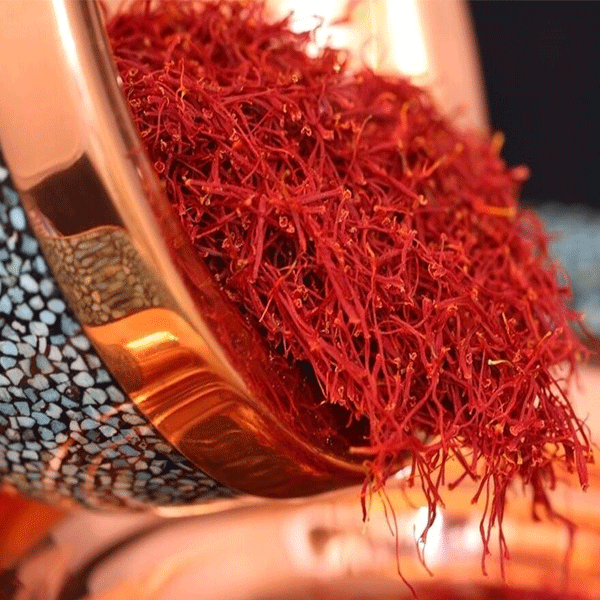
Crocin and Safranal
What is Crocin? (The Crimson Protector)
Crocin is a rare, water-soluble carotenoid. In the plant world, carotenoids (like beta-carotene in carrots) are usually fat-soluble. Crocin’s ability to dissolve in water is what allows saffron to instantly bleed its beautiful golden-yellow color into rice, stews, and teas.
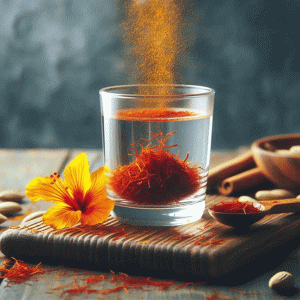
The Experience-Based Test: When you drop genuine saffron threads into cold water, high levels of crocin ensure the water slowly turns a vibrant yellow, while the thread itself remains red. (If the thread turns white immediately, it’s a sign of dyed, fake saffron).
Health Benefits of Crocin:
From an antioxidant perspective, crocin is a heavy hitter. It actively neutralizes free radicals in the body, which are responsible for oxidative stress and cellular aging.
Brain Health & Memory: Studies suggest crocin acts as a neuroprotective agent, potentially aiding in memory retention and fighting against neurodegenerative conditions like Alzheimer’s.
Eye Health: It helps increase blood flow to the retina, offering protection against age-related macular degeneration (AMD).
What is Safranal? (The Aromatic Elevator)
If Crocin is the visual magic, Safranal is the invisible aura. Safranal makes up about 70% of the volatile fraction of saffron. Interestingly, fresh saffron flowers don’t actually contain much safranal. It is formed from picrocrocin during the careful drying and curing process of the stigmas.
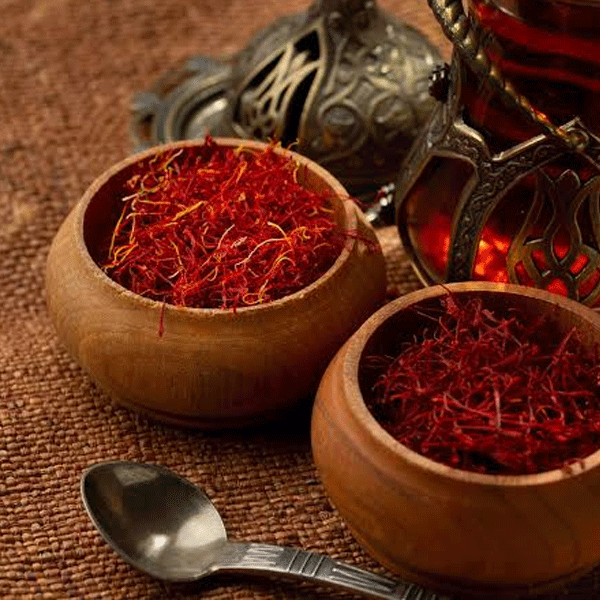
Crocin and Safranal
The Experience-Based Test: Open a sealed tin of aged, premium saffron. That initial, overwhelming burst of sweet, hay-like, and slightly metallic fragrance? That is pure safranal hitting your olfactory senses.
Health Benefits of Safranal:
Mood & Sleep: Safranal is widely studied for its interaction with the brain’s serotonin and dopamine systems. It acts as a natural mood elevator, which is why saffron has historical roots as a natural remedy for mild depression and anxiety.
Anticonvulsant Properties: It has soothing properties that help calm the nervous system, promoting better sleep
quality.
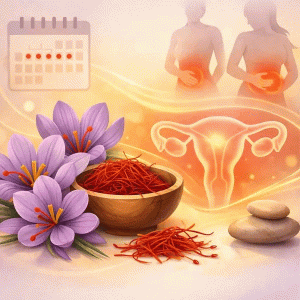
Saffron Health Benefits: Discover how the potent antioxidants in this ancient spice offer clinically proven support for your mood, memory, and overall daily wellness.
Comparing the Compounds:
| Compound | Primary Role | Key Antioxidant Benefit | Buying Indicator |
|---|---|---|---|
| Crocin | Vibrant Color (Dye) | Neuroprotection & Free Radical Scavenging | Deep, uniform red threads (Super Negin grade has the highest crocin). |
| Safranal | Aroma (Essential Oil) | Mood Enhancement & Anxiety Reduction | Strong, distinct earthy/sweet smell upon opening the jar. |
| Picrocrocin | Flavor (Bitterness) | Digestive Health Aid | A slight, pleasant bitterness when a raw thread is tasted. |
How to Choose Saffron Based on Antioxidant Needs
When customers source saffron, they often ask us: “Which grade is best for my health?” Here is how you can make an informed decision based on the compounds:
1. You want maximum antioxidants (Crocin) for wellness teas and supplements:
Go for: Super Negin or Negin Saffron.
Why: These grades consist only of the very tip of the saffron stigma (the reddest part). They contain the absolute highest concentrations of crocin. They will give you the most intense color and the highest dose of protective antioxidants.
2. You are using saffron for aromatherapy, mood enhancement, or baking:
Go for: Sargol or well-cured Pushal.
Why: While Negin is beautiful, older, properly cured Sargol often develops a incredibly potent aroma (Safranal). The drying process determines safranal levels, so a trusted supplier who cures their harvest meticulously is key here.
Refrence:
https://www.ncbi.nlm.nih.gov/pmc/articles/PMC6502977/
Records mentioned in this article
Frequently Asked Questions
Yes and no. Crocin is highly heat-sensitive. If you boil saffron aggressively on high heat, you will degrade the crocin molecules, losing both the intense color and some of the neuroprotective benefits. Safranal, being a volatile oil, will also evaporate quickly if boiled.
While standardized saffron extracts (often found in capsules) guarantee a specific percentage of crocin and safranal, they lack the holistic synergy of whole threads. The 150+ minor compounds in raw saffron work together in an “entourage effect” that isolates simply cannot replicate. For daily wellness and authentic culinary experiences, whole, premium threads are unmatched.
This is a beautiful example of saffron’s chemical evolution. Over time, picrocrocin (flavor) naturally breaks down and converts into safranal (aroma). Therefore, saffron that has been stored for a year will have a much more intense aroma than freshly harvested saffron, but its crocin (color) levels might slightly decrease due to natural oxidation.