If your primary goal is targeted, daily health support (like mood regulation or PMS relief), standardized saffron extract supplements offer precise dosing and convenience that whole threads can’t match. However, if you are looking for the holistic benefits, authentic flavor, and culinary versatility of Crocus sativus, sourcing high-quality, real saffron threads is the only way to go. Ultimately, the best choice depends on whether you view saffron as a daily nutraceutical or a premium culinary investment; at Origin and Source, we always recommend verifying third-party lab results for supplements and checking the color, aroma, and origin for whole threads.
Saffron at a Glance: Key Facts for Buyers & Businesses
| Category | Details |
|---|---|
| Botanical Name | Crocus sativus L. |
| Primary Origins | Iran (90%), Afghanistan, Spain, Kashmir (India), Greece |
| Active Compounds | Crocin (color), Picrocrocin (flavor), Safranal (aroma) |
| Grading Standards | ISO 3632 (Category I–III based on crocin, picrocrocin, safranal levels) |
| Common Grades | Sargol (all-red threads), Negin (premium long threads), Pushal (red + some yellow) |
| Retail Price Range (2026) | 8– 15/gram (premium), 500 – 500– 3,000/kg (bulk, B2B) |
| Key Quality Indicators | Deep red color, minimal yellow threads, strong aroma, moisture <12%, no additives |
| Shelf Life | 2–3 years (airtight, cool, dark storage) |
| Culinary Uses | Paella, risotto, Persian rice, desserts, teas |
| Health Benefits | Antioxidant, mood support, potential anti-inflammatory properties* |
| Buying Tips for Consumers | Buy threads (not powder), check ISO cert, test 2–3 threads in warm water |
| Sourcing Tips for Businesses | Request lab reports (ISO 3632), verify origin docs, sample before bulk orders |
Saffron at a Glance: Key Facts for Buyers & Businesses. Origin, grades, 2026 prices, and purity checks — the essentials for both home and bulk saffron buyers, in one table. Columns: Category, Details. Botanical Name — Crocus sativus L.. Primary Origins — Iran (90%), Afghanistan, Spain, Kashmir (India), Greece. Active Compounds — Crocin (color), Picrocrocin (flavor), Safranal (aroma). Grading Standards — ISO 3632 (Category I–III based on crocin, picrocrocin, safranal levels). Common Grades — Sargol (all-red threads), Negin (premium long threads), Pushal (red + some yellow). Retail Price Range (2026) — 8– 15/gram (premium), 500 – 500– 3,000/kg (bulk, B2B). Key Quality Indicators — Deep red color, minimal yellow threads, strong aroma, moisture <12%, no additives. Shelf Life — 2–3 years (airtight, cool, dark storage).
In the world of botanical sourcing, few ingredients are as highly scrutinized—and frequently faked—as saffron. Extracted from the delicate stigmas of the Crocus sativus flower, this “red gold” has been traded for millennia for its culinary magic and medicinal properties.
But as modern research catches up with ancient medicine, consumers are faced with a new buying dilemma: Should you buy real, whole saffron threads, or are standardized saffron extract capsules the smarter choice?
Having spent years evaluating product origins, supplier transparency, and ingredient efficacy, I can tell you that neither option is universally “better.” Instead, they serve entirely different purposes. Let’s break down the supply chain, the science, and the practicalities to help you make an informed decision.
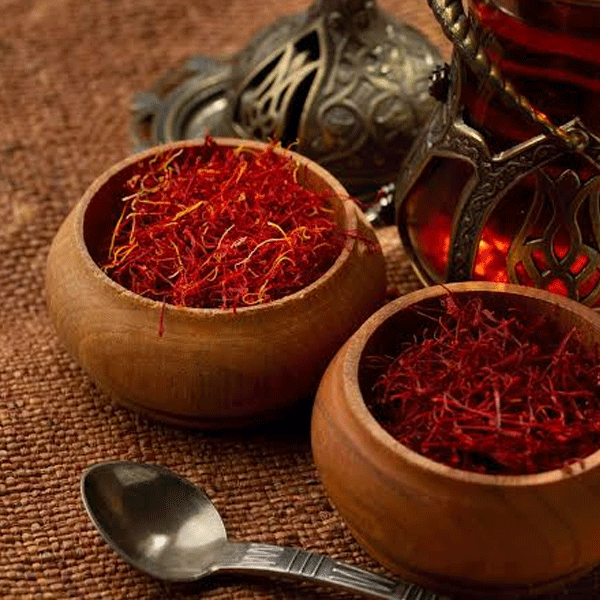
Saffron extract vs real threads
Whole Spice vs. Standardized Extract
To understand which to buy, you first need to understand how each product is manufactured.
Real Saffron Threads are exactly what they sound like: the dried, whole stigmas of the saffron crocus. When you buy high-quality threads (like Super Negin or Sargol grades), you are getting the entire, unadulterated plant part. It contains hundreds of volatile compounds working in synergy, primarily crocin (color), picrocrocin (flavor), and safranal (aroma).
Saffron Extract Supplements, on the other hand, are highly processed. Manufacturers take bulk saffron and use solvents (like water or ethanol) to extract the active compounds. The liquid is then dried into a powder and put into capsules. High-end supplements are “standardized,” meaning the manufacturer guarantees a specific percentage of active compounds—usually 2% to 3.5% lepticrosalides (a patented measure of safranal and crocin).
Saffron Health Benefits: Beyond its reputation as the world’s most expensive culinary spice, modern clinical trials reveal that saffron is a potent therapeutic agent for mood regulation, cognitive health, and cellular protection.
Head-to-Head Comparison
| Feature | Real Saffron Threads | Extract Supplements (Capsules) |
|---|---|---|
| Dosing Precision | Difficult. Requires a micro-scale. Strength varies by harvest, origin, and storage. | Highly precise. Usually standardized to exact milligrams (e.g., 30mg per capsule). |
| Bioavailability | Depends entirely on how you prepare it (requires proper steeping in warm water or grinding). | Optimized for digestion. Extracts are formulated to bypass preparation errors. |
| Culinary Use | Unmatched flavor, aroma, and color for rice, teas, and stews. | Useless for cooking. The extraction process removes culinary profiles. |
| Risk of Fraud | High. Often mixed with safflower, corn silk, or dyed fibers. Visual inspection helps. | Moderate. You can’t see the raw material, so you must rely on 3rd-party lab testing (COAs). |
| Cost Efficiency | High upfront cost, but a single gram can last months if used correctly. | Moderate monthly subscription cost. Often cheaper per active milligram for therapeutic use. |
Bioavailability and Health Benefits: How Does Your Body Absorb It?
When users search for saffron’s health benefits—specifically for mood enhancement, ADHD symptom management, or eye health—they often ask: Will drinking saffron tea work as well as a pill?
The short answer is yes, but with a massive caveat regarding consistency.
Clinical trials demonstrating saffron’s efficacy for mild depression or PMS almost exclusively use 30mg of standardized extract per day.
If you try to replicate this with whole threads, you face two hurdles:
Preparation: Saffron compounds need heat and time to release. If you just swallow a pinch of threads, your body won’t break them down efficiently. You must grind them and steep them in warm liquid.
Crop Variance: A thread of saffron from Spain might have 12% crocin, while a high-grade thread from Iran or Afghanistan might hit 25%. Without lab equipment, you never truly know how much active compound you are consuming.
Supplements remove this guesswork. Branded extracts (look for names like Affron or Satiereal on the label) are clinically studied and ensure that every single pill delivers the exact biochemical profile your body needs to trigger a physiological response.
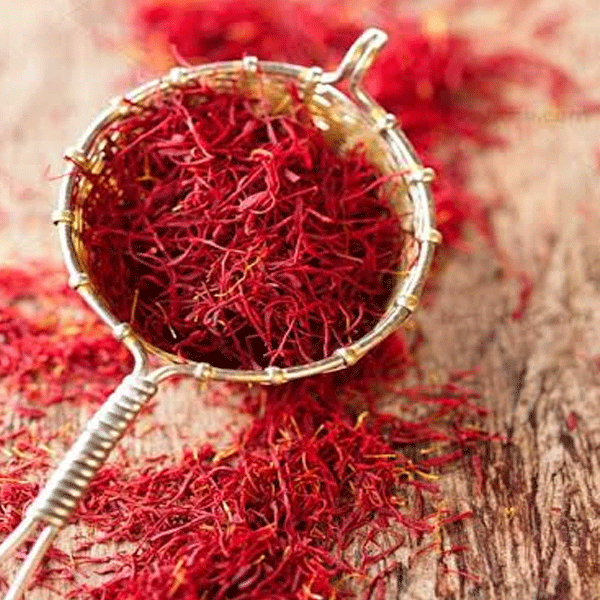
Saffron extract vs real threads
Which Should You Buy?
As a sourcing specialist, I never tell a consumer to just “buy the best.” I ask them what they are trying to solve. Here is how to map your need to the right product:
Choose Saffron Extract Supplements IF:
You want mood support or mental health benefits: Consistency is key for neurotransmitter support. A 30mg daily capsule guarantees you hit the clinical threshold.
You value convenience: Let’s be honest, weighing out 30mg of threads and steeping them every morning before work isn’t practical for most lifestyles.
You don’t like the taste of saffron: Some people find the earthy, floral notes of saffron overpowering. Capsules bypass the palate entirely.
Choose Real Saffron Threads IF:
You want holistic, synergistic benefits: Whole foods contain trace minerals and co-factors that extraction processes destroy. Brewing a daily saffron tea offers a gentler, more holistic approach to wellness.
You are a culinary enthusiast: No extract can replicate the golden hue of a true paella or the aroma of saffron-infused basmati rice.
You prefer raw, un-processed ingredients: If you actively avoid magnesium stearate, silicon dioxide, or capsule shells (even vegan ones), pure threads are your only clean-label option.
Reference:
https://pubmed.ncbi.nlm.nih.gov/24299602/
Records mentioned in this article
Frequently Asked Questions
Clinical trials consistently use about 30 mg of standardized saffron extract per day to achieve optimal results.
Real saffron slowly releases a golden-yellow color over 10 to 15 minutes. If the water turns red immediately, it is likely fake or dyed.
Dry threads have low bioavailability. They need to be ground and steeped in warm liquid or a fat source to properly release their active compounds for your body to absorb.