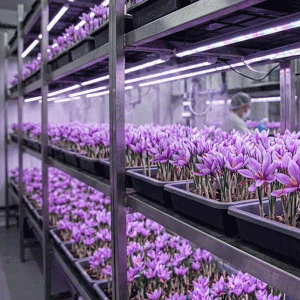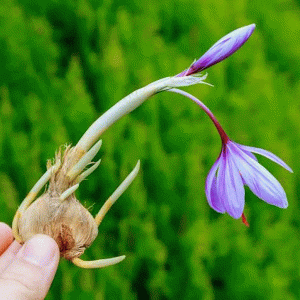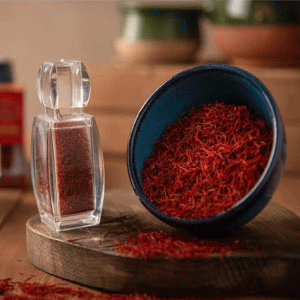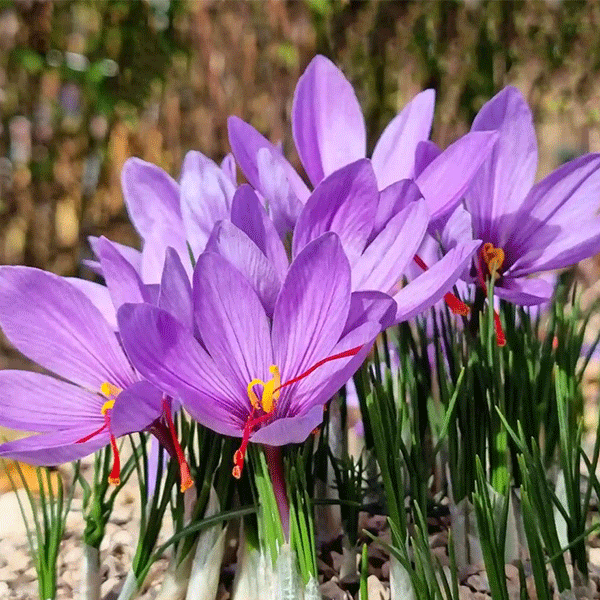
Producing a single gram of authentic saffron requires the delicate, manual harvesting of 150 to 170 individual Crocus sativus flowers. This labor-intensive process, combined with significant moisture loss during drying, dictates the strict quality grading and premium pricing of the final spice. Understanding this raw agricultural yield is essential for buyers to appreciate saffron’s true value, optimize their purchasing strategy, and confidently avoid cheap counterfeits.
Saffron at a Glance: Key Facts for Buyers & Businesses
| Category | Details |
|---|---|
| Botanical Name | Crocus sativus L. |
| Primary Origins | Iran (90%), Afghanistan, Spain, Kashmir (India), Greece |
| Active Compounds | Crocin (color), Picrocrocin (flavor), Safranal (aroma) |
| Grading Standards | ISO 3632 (Category I–III based on crocin, picrocrocin, safranal levels) |
| Common Grades | Sargol (all-red threads), Negin (premium long threads), Pushal (red + some yellow) |
| Retail Price Range (2026) | 8– 15/gram (premium), 500 – 500– 3,000/kg (bulk, B2B) |
| Key Quality Indicators | Deep red color, minimal yellow threads, strong aroma, moisture <12%, no additives |
| Shelf Life | 2–3 years (airtight, cool, dark storage) |
| Culinary Uses | Paella, risotto, Persian rice, desserts, teas |
| Health Benefits | Antioxidant, mood support, potential anti-inflammatory properties* |
| Buying Tips for Consumers | Buy threads (not powder), check ISO cert, test 2–3 threads in warm water |
| Sourcing Tips for Businesses | Request lab reports (ISO 3632), verify origin docs, sample before bulk orders |
Saffron at a Glance: Key Facts for Buyers & Businesses. Origin, grades, 2026 prices, and purity checks — the essentials for both home and bulk saffron buyers, in one table. Columns: Category, Details. Botanical Name — Crocus sativus L.. Primary Origins — Iran (90%), Afghanistan, Spain, Kashmir (India), Greece. Active Compounds — Crocin (color), Picrocrocin (flavor), Safranal (aroma). Grading Standards — ISO 3632 (Category I–III based on crocin, picrocrocin, safranal levels). Common Grades — Sargol (all-red threads), Negin (premium long threads), Pushal (red + some yellow). Retail Price Range (2026) — 8– 15/gram (premium), 500 – 500– 3,000/kg (bulk, B2B). Key Quality Indicators — Deep red color, minimal yellow threads, strong aroma, moisture <12%, no additives. Shelf Life — 2–3 years (airtight, cool, dark storage).
If you have ever held a small glass jar containing a single gram of saffron, you have probably wondered why it costs as much as a premium cut of steak. As sourcing experts who track agricultural yields and commodity supply chains, we often see consumers and new buyers struggle with saffron pricing.
To understand the price, you have to understand the math of the harvest. Saffron isn’t grown in a factory; it is painfully extracted from a finicky autumn-blooming crocus. Here is the true breakdown of saffron yield, what it means for your buying decisions, and how to navigate the market without overpaying.
The Math Behind the Magic: From Field to Gram
The yield of saffron is dictated by pure biology. The Crocus sativus plant is uncompromising in its anatomy:
1 Flower = Exactly 3 red stigmas (the saffron threads).
Fresh Weight = When freshly plucked, stigmas are plump with moisture.
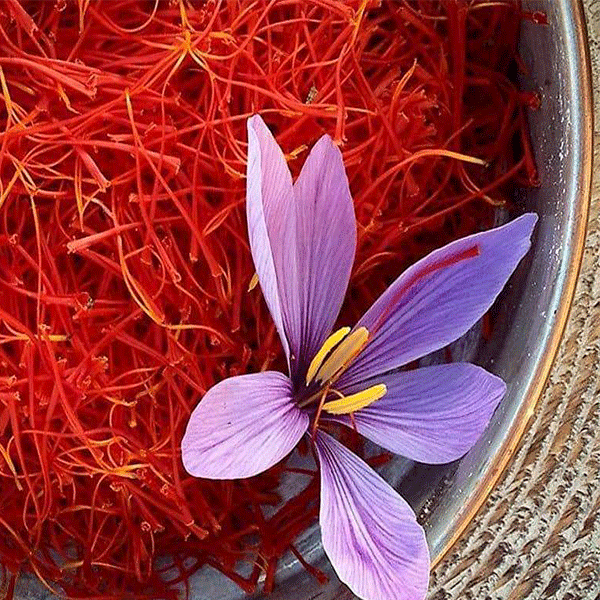
how many saffron flowers to make one gram
The Drying Loss = To preserve the spice and lock in the volatile compounds (Safranal, Crocin, and Picrocrocin), the stigmas must be toasted or air-dried. During this process, they lose up to 80% of their weight.
Once fully dried and ready for the market, one stigma weighs about 2 milligrams.
Therefore:
3 dried stigmas (1 flower) = ~6 milligrams.
To reach 1,000 milligrams (1 gram), you need to harvest and process around 166 flowers.
In a real-world agricultural setting, accounting for broken threads, varying flower sizes, and sorting criteria, farmers calculate an average of 150 to 170 flowers per gram.
Saffron Business and Trade Guide: A strategic roadmap for navigating global supply chains, verifying botanical purity, and identifying high-yield investment opportunities in the world’s most valuable spice market.
How Saffron Grades Impact the Yield
| Saffron Grade | Anatomy of the Thread | Est. Flowers per Gram | Buyer’s Profile |
|---|---|---|---|
| Super Negin | Only the thickest, uppermost crimson tips. No yellow or orange base. | ~170 – 180+ | Premium culinary use, gifting, high-end restaurants. |
| Sargol | All red tips, but threads are shorter and thinner than Negin. | ~150 – 160 | Standard home cooking, excellent color potency. |
| Pushal | Red stigmas with 2-3mm of the yellow/orange style attached. | ~130 – 140 | Daily cooking; the yellow base proves authenticity. |
| Dasteh (Bunch) | The entire thread intact (red top fading to a long white/yellow base). | ~100 – 120 | Traditional buyers who prefer the whole raw strand. |
Is One Gram Enough?
When consumers research saffron yields, the ultimate goal is usually deciding how much to purchase. Because of the sheer volume of flowers required, you want to buy exactly what you need—no more, no less—since old saffron loses its potency over time.
If you cook paella or risotto occasionally (1-2 times a month):
Buy 1 gram. You only need about 10 to 15 threads (roughly 0.03 grams) to properly flavor and color a dish serving four people. One gram will easily last a typical household 6 to 12 months.
If you are a heavy user, baker, or tea drinker:
Buy 3 to 5 grams. Steeping a few threads in hot water daily for health benefits will run through a one-gram jar in a matter of weeks. Buying a 5-gram tin usually drops the price-per-gram significantly.
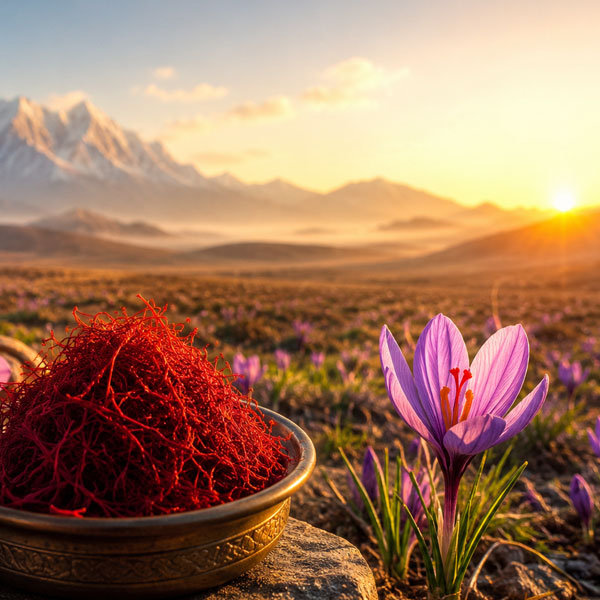
how many saffron flowers to make one gram
If you are a restaurant or commercial buyer:
You should be looking at ounce (28g) or kilo (1000g) pricing. Keep in mind that a single kilogram of saffron requires upwards of 150,000 to 170,000 flowers, harvested over an area equivalent to two football fields, demanding roughly 400 hours of manual labor.
Sourcing Expert Insights: How Yield Impacts Authenticity
Because 150 flowers are required for a single gram, the incentive for fraud in the spice market is exceptionally high. Bad actors know the math. To bypass the agricultural bottleneck, they use corn silk, safflower (frequently mislabeled as “Mexican Saffron”), or dyed paper shreds to mimic the spice.
Records mentioned in this article
Frequently Asked Questions
To yield one kilogram of dried saffron (approx. 150,000+ flowers), a farmer needs roughly 1,000 to 2,000 square meters of cultivated land, depending on the age of the crocus corms (bulbs) and soil fertility.
No. The Crocus sativus petals are always a vibrant purple. The yield entirely depends on the three red stigmas inside. The purple petals are often discarded, though modern agricultural movements are beginning to use them in dyes and herbal teas to minimize farm waste.
The stigmas are incredibly fragile and sit low within the petal structure. They bloom only for a few weeks in autumn and must be picked at dawn before the sun wilts them. Currently, no machine possesses the delicate, sensory-driven precision required to pluck the flower and surgically extract just the three red threads without crushing them. The yield remains tied strictly to human hands.