This comprehensive B2B guide explores the global saffron trade, detailing its origins, complex supply chain, and market dynamics. It provides actionable insights on verifying saffron purity using ISO 3632 standards (Crocin, Safranal, Picrocrocin) and navigating wholesale sourcing. Designed for importers and distributors, this guide mitigates procurement risks and ensures premium quality acquisition in the “Red Gold” market.
The global trade of saffron—often referred to as “Red Gold”—is one of the most lucrative yet complex agricultural markets in the world. With prices often exceeding those of precious metals by weight, the saffron industry demands a rigorous understanding of botany, international trade law, chemistry, and supply chain logistics.
For B2B buyers, importers, culinary directors, and botanical extract investors, navigating this market requires more than just capital; it requires deep industry intelligence. This comprehensive guide dissects the saffron trade from the soil to the global market, providing you with the strategic knowledge needed to source, verify, and trade the world’s most expensive spice.
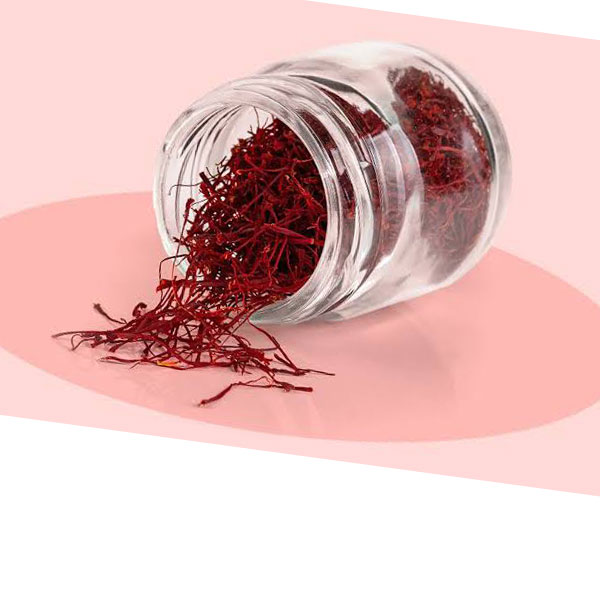
saffron guide
The Origins and Terroir of Saffron
Saffron is derived from the stigmas of the Crocus sativus flower. A sterile triploid, this plant cannot reproduce via seeds and relies entirely on human cultivation through corms (underground bulbs). The concept of terroir—the environmental factors that affect a crop’s phenotype—is profoundly evident in saffron.
The Dominance of Iran (Khorasan Region)
Iran produces approximately 85% to 90% of the world’s saffron. The epicenter of this production is the Khorasan region (comprising Razavi, South, and North Khorasan provinces). The high-altitude, arid climate, characterized by cold winters and hot, dry summers, provides the perfect shock to the corms to produce vibrant, chemically rich flowers.
Trade Dynamics: Due to international geopolitical complexities, much of Iranian saffron is exported in bulk to intermediary countries (like the UAE or Spain) where it is repackaged and re-exported, often losing its origin identity in the process.
The Prestige of Spain (La Mancha)
Spain has a deep historical connection to saffron, particularly the Azafrán de La Mancha, which holds a Protected Designation of Origin (PDO) status.
Trade Dynamics: While Spain is one of the world’s largest exporters of saffron, its domestic production is relatively small (often less than 2-3 tons annually). Spain serves primarily as a major processing, packaging, and distribution hub, importing bulk saffron, rigorously testing it, and distributing it globally under premium European branding.
The Rise of Afghanistan (Herat)
Over the past two decades, Afghanistan, particularly the Herat province, has emerged as a premium saffron producer. Initiated as an alternative livelihood program to replace illicit poppy cultivation, Afghan saffron has consistently won international taste and quality awards.
Trade Dynamics: Afghan saffron often boasts exceptional chemical profiles, but the trade is sometimes hindered by logistical challenges and banking restrictions. However, for B2B buyers willing to navigate the supply chain, it offers tremendous value and superior quality.
The Niche Markets: Kashmir (India) and Greece (Krokos Kozanis)
Kashmir, India: Known for its thick, dark red stigmas (Mongra), Kashmiri saffron is highly prized but suffers from low yields and climate change impacts. It is mostly consumed domestically within India.
Greece: The Kozani cooperative produces high-quality organic saffron. While production volume is low, it holds a strong position in the European boutique market.
Understanding Saffron Purity and Quality
In a market where a single kilogram can cost thousands of dollars, adulteration is rampant. B2B buyers must rely on scientific standardization to guarantee purity.
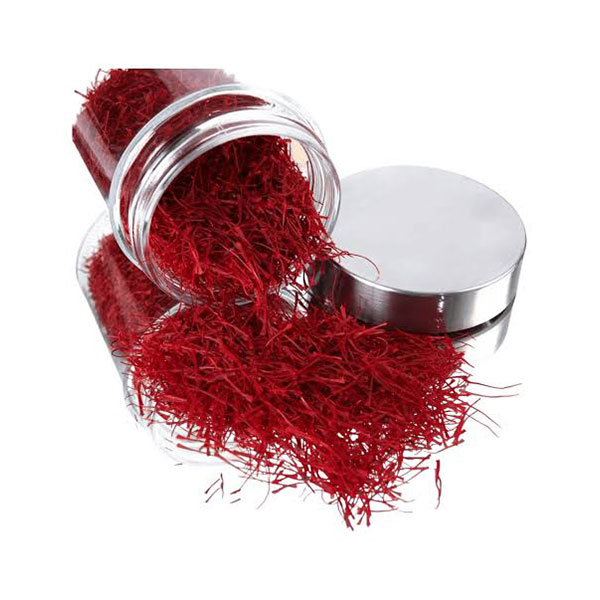
saffron
The ISO 3632 Standard
The international standard for saffron quality is ISO 3632. It measures the concentration of three specific chemical compounds using photospectrometry:
1. Crocin (Coloring Strength): This water-soluble carotenoid is responsible for saffron’s vibrant yellow-orange color. In the B2B market, Crocin levels dictate the grade. A reading above 200 is generally considered Grade I (Premium).
2. Safranal (Aroma): An organic compound responsible for the distinct hay-like, earthy aroma of saffron. ISO 3632 ensures the Safranal falls within a specific range (usually 20-50); too high can indicate synthetic adulteration.
3. Picrocrocin (Flavor): This dictates the bitter taste of authentic saffron. Higher picrocrocin levels mean a stronger, more authentic flavor profile.
Saffron Grading Terminology
The physical cut of the saffron stigma also determines its grade and price. Below is a responsive breakdown of the primary saffron cuts used in international trade.
| Grade / Cut | Description | Crocin Level (Avg) | Primary Market Use |
|---|---|---|---|
| Super Negin | The highest quality. All red, visually long, thick, and flat threads. No yellow or white styles attached. Carefully dried to maintain volume. | 260 – 300+ (Extremely High) | Luxury retail, high-end culinary, premium exports (Asia/Europe). |
| Negin | Similar to Super Negin, all-red threads, but threads may be slightly shorter or less symmetrically flat. | 230 – 260 (Very High) | Gourmet restaurants, standard premium retail. |
| Sargol (All Red) | The tips of the saffron threads. Pure red but consists of shorter, broken threads compared to Negin. | 210 – 240 (High) | Everyday culinary use, extracts, standard B2B wholesale. |
| Pushal (Mancha) | Contains the red stigmas with 2-3mm of the yellow/orange style attached. Proves authenticity visually. | 170 – 200 (Medium) | Traditional markets, buyers seeking visual proof of non-adulteration. |
| Bunch (Dasteh) | The entire saffron thread (red, yellow, and white root) bundled together with a string. | 120 – 150 (Low) | Local consumption, traditional medicine. |
The Saffron Supply Chain
The supply chain of saffron is notoriously labor-intensive, which is the primary driver of its cost.
Harvesting
Saffron blooms for only a few weeks in late October and early November. The flowers must be hand-picked at dawn before the sun’s heat wilts the petals and degrades the chemical compounds. It takes approximately 150,000 to 170,000 flowers to produce just one kilogram of dried saffron.
Processing and Drying
Once picked, the stigmas are painstakingly separated from the petals by hand. The drying process is critical. Traditional sun drying is being replaced by modern dehydration machines that apply controlled heat, locking in the crocin and safranal, preventing moisture-induced mold, and resulting in the highly sought-after “Super Negin” volume.
B2B Distribution and Intermediaries
A typical global supply chain looks like this:
1. Farmer/Cooperative (Harvest and initial drying)
2. Local Consolidator (Purchases micro-batches and homogenizes them)
3.Bulk Exporter (Handles phytosanitary certificates, customs, and bulk shipping)
4. International Hub Importer (Located in Dubai, Madrid, or Hamburg; handles lab testing and repackaging)
5. Wholesaler/Brand (Distributes to foodservice, retail, and pharmaceutical clients)
Every node in this chain adds margin, which is why direct-to-origin sourcing is highly desired by large-scale B2B buyers.
Global Market Dynamics and Pricing Factors
The price of saffron is volatile and behaves similarly to agricultural commodities mixed with currency markets. Key factors influencing B2B pricing include:
Yield Fluctuations: Drought, unseasonal frost, or poor corm health in major producing regions (like Khorasan) can drastically reduce global supply, causing immediate price spikes.
Currency Exchange Rates: Because the majority of saffron is produced in regions with volatile currencies, fluctuations against the USD or EUR play a massive role in FOB (Free on Board) pricing.
Geopolitics and Sanctions: Trade barriers force saffron through intermediary countries. The cost of clearing funds and transshipping goods adds a “risk premium” to the final wholesale price.
Labor Costs: As rural populations migrate to urban centers, the cost of agricultural labor during the intensive harvest season is rising, pushing up the baseline cost of production.
How to Source and Buy Saffron: A B2B Guide
Procuring saffron at scale requires extreme diligence. Adulteration methods have become highly sophisticated, moving past obvious fakes (like corn silk or safflower) to chemical adulteration (adding synthetic dyes or spraying threads with honey/oil to increase weight).
Steps for Secure B2B Procurement:
1. Demand ISO 3632 Certification: Never buy bulk saffron without a recent Certificate of Analysis (CoA) from an accredited, independent laboratory. The CoA must clearly state the moisture content (should be <10%) and the Crocin, Safranal, and Picrocrocin levels.
2. Request Phytosanitary Certificates: Ensure the shipment meets your country’s agricultural import regulations to prevent confiscation at customs.
3. Conduct the Water Test: When placing a few threads in warm water, authentic saffron will slowly release a golden-yellow dye over 10-15 minutes, and the thread itself will remain red. Fake dyed saffron will instantly turn the water dark red/orange, and the thread will turn white.
4. Audit the Supply Chain: If possible, deal with suppliers who are vertically integrated or have direct, transparent relationships with farming cooperatives. This ensures traceability and fairer compensation for farmers.
5. Start with Sample Batches: Before committing to a multi-kilogram contract, purchase a 50g-100g sample. Run this sample through a local third-party lab to verify it matches the supplier’s CoA.
Future Trends in the Saffron Trade
The saffron industry is currently undergoing a period of modernization.
Blockchain and Traceability: Premium brands are beginning to use blockchain technology to track batches from specific farms to the end consumer, eliminating fraud and proving origin.
Pharmaceutical Applications: Beyond culinary use, clinical studies are increasingly investigating saffron’s efficacy in treating mild depression, macular degeneration, and Alzheimer’s disease. The nutraceutical market is demanding high-crocin saffron extracts, creating a new, highly lucrative B2B vertical.
Controlled Environment Agriculture (CEA): Startups are experimenting with growing saffron hydroponically or aeroponically in indoor vertical farms. While currently economically challenging due to energy costs, this could eventually disrupt the market by decentralizing production away from traditional geographic strongholds.
Conclusion
The saffron business is highly rewarding for those who approach it with rigorous data, supply chain transparency, and a deep understanding of quality metrics. By anchoring procurement strategies to ISO 3632 standards, understanding the geopolitical nuances of global supply, and maintaining strict anti-fraud protocols, B2B buyers can successfully navigate the complexities of the Red Gold market.
Frequently Asked Questions
Safflower (Carthamus tinctorius) is often sold as "bastard saffron" or "Mexican saffron." It imparts color but lacks the distinct aroma, flavor, and chemical benefits of true saffron (Crocus sativus). It is virtually worthless compared to authentic saffron.
Saffron must be stored in airtight containers, away from direct sunlight, moisture, and extreme heat. Ideal storage is in a cool, dark, climate-controlled warehouse. Proper storage prevents the degradation of Crocin (color loss) and the evaporation of Safranal (aroma loss).
Super Negin requires the highest level of skill during the stigma separation and drying process. It consists only of the most chemically rich, red portions of the stigma, dried in a way that maximizes visual appeal and volume, making it the most potent and aesthetically pleasing grade.